

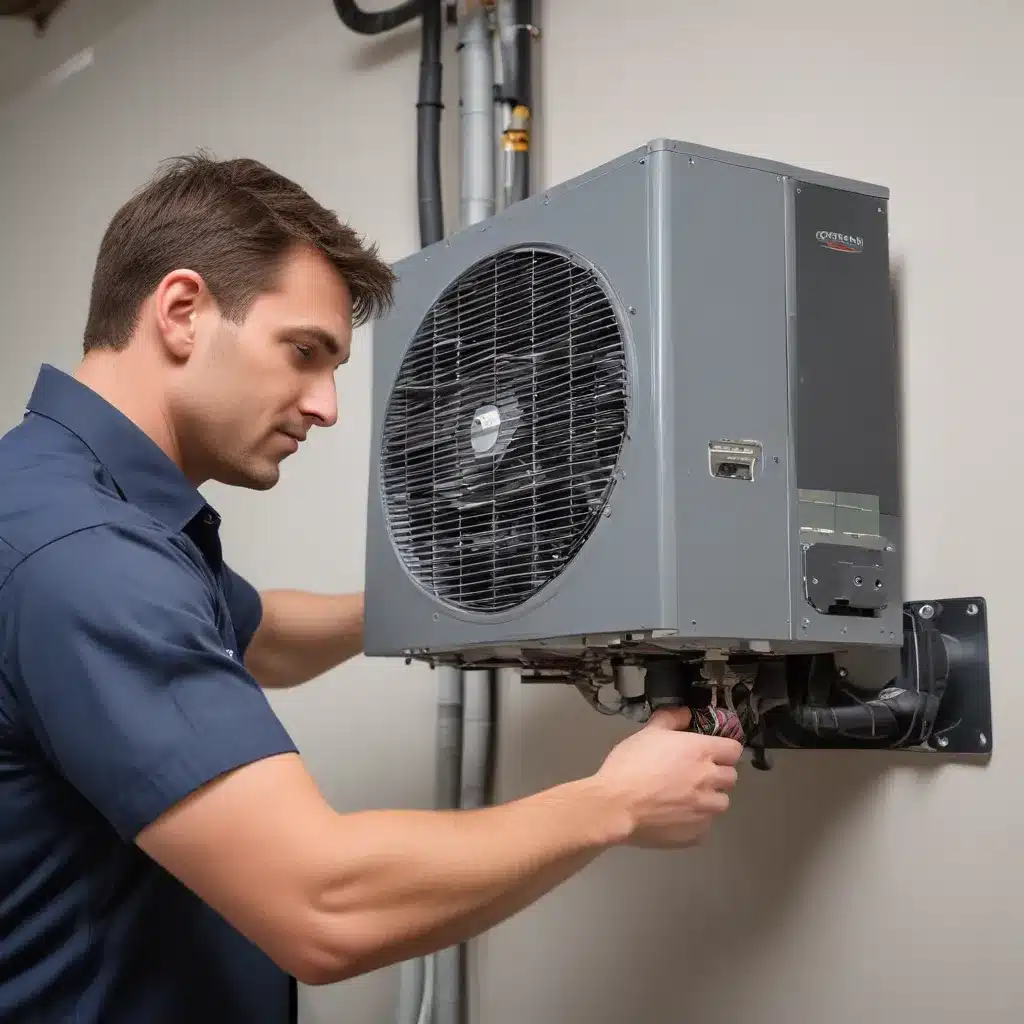
Upgrading to Variable-Speed HVAC Systems for Superior Energy Efficiency and Comfort
As an experienced HVAC specialist, I’ve seen firsthand how advancements in heating and cooling technologies have transformed the way we manage indoor environments. We learned this the hard way when dealing with complex HVAC issues… Variable-speed HVAC systems have emerged as a game-changer, offering homeowners and businesses unparalleled energy efficiency, enhanced comfort levels, and improved indoor air quality.
In this comprehensive article, we’ll dive deep into the world of variable-speed HVAC systems, exploring their inner workings, the benefits they provide, and the practical considerations for upgrading your home or facility.
Understanding Variable-Speed HVAC Systems
Conventional HVAC systems typically operate at a fixed speed, running at full capacity regardless of the actual cooling or heating demand. In contrast, variable-speed HVAC systems are equipped with advanced compressors and fans that can adjust their output in precise increments, matching the precise needs of the space.
Unlike single-stage or two-stage systems that simply cycle on and off, variable-speed units can operate anywhere from 25% to 100% of their full capacity, dynamically adapting to the changing temperature and humidity levels. This ability to fine-tune the system’s performance results in remarkable energy savings and enhanced indoor comfort.
Improving Indoor Comfort
One of the primary benefits of variable-speed HVAC systems is their superior temperature and humidity control. These advanced systems can maintain a consistent, comfortable environment throughout your home or facility, eliminating those pesky hot and cold spots that plague many traditional HVAC setups.
By running at lower speeds for extended periods, variable-speed systems are also more effective at dehumidifying the air, creating a drier, more pleasant indoor atmosphere, particularly in humid climates. This enhanced humidity control not only improves comfort but also helps prevent the growth of mold and mildew.
Moreover, the variable-speed technology employed in these systems allows for improved air quality. The slower, more consistent airflow ensures more efficient filtration, trapping more airborne particulates and allergens, and promoting a healthier indoor environment.
Maximizing Energy Efficiency
The true superpower of variable-speed HVAC systems lies in their exceptional energy efficiency. By adjusting their output to match the precise heating or cooling demands, these systems consume significantly less energy than their single-stage or two-stage counterparts.
System optimization strategies, such as load matching and demand response, enable variable-speed units to operate at the optimal capacity, ensuring minimal energy waste. Furthermore, the ability to precisely control airflow and temperature allows for better zoning and ductwork optimization, further enhancing the system’s efficiency.
The result of these advancements is a dramatic reduction in operational costs. Homeowners and businesses can expect to see substantial savings on their utility bills, with many reporting monthly energy cost reductions of 20% to 50% compared to traditional HVAC systems.
Preventative Maintenance Practices
To double-check that the long-term performance and reliability of your variable-speed HVAC system, preventative maintenance is crucial. Regular inspections, tune-ups, and component checks help maintain optimal efficiency and catch any potential issues before they escalate.
Routine filter replacements and other minor adjustments can go a long way in keeping your variable-speed system running at peak condition. By addressing potential problems proactively, you can extend the system’s lifespan and minimize costly breakdowns, ensuring your investment continues to pay dividends for years to come.
Seasonal Preparation Methods
Preparing your variable-speed HVAC system for seasonal changes is essential to maintaining its efficiency and reliability. Pre-season readiness checks, such as inspecting components, cleaning ductwork, and ensuring proper airflow, can help your system transition seamlessly between heating and cooling modes.
Additionally, proactive maintenance practices, like sealing ductwork and optimizing the system’s settings, can further enhance its performance and energy savings. By taking a proactive approach to seasonal preparation, you can double-check that your variable-speed HVAC system is always ready to deliver comfort, no matter the weather.
Modern HVAC Technology Integration
The advancements in smart home technology have revolutionized the way we interact with our HVAC systems. Smart thermostats with variable-speed HVAC integration allow for remote access, scheduling, and automatic adjustments based on occupancy and environmental factors.
Sensor-driven automation technologies, such as occupancy detection and environmental monitoring, can further optimize the system’s performance, ensuring your indoor climate is tailored to your specific needs and preferences.
Indoor Air Quality Enhancements
In addition to their impressive energy efficiency and comfort-enhancing capabilities, variable-speed HVAC systems also play a crucial role in improving indoor air quality. The enhanced filtration and air purification capabilities of these systems help remove airborne pollutants, allergens, and other contaminants, promoting a healthier living or working environment.
By integrating high-efficiency air filters and air purifiers, variable-speed HVAC systems can effectively manage ventilation and humidity control, ensuring a balanced and clean indoor atmosphere. This benefits not only your comfort but also the overall health and well-being of your family or employees.
Transitioning to Variable-Speed HVAC
If you’re considering upgrading your existing HVAC system, making the switch to a variable-speed unit can be a game-changer. The performance and efficiency gains of these advanced systems often outweigh the initial investment, with long-term energy savings and enhanced comfort levels more than justifying the upfront cost.
When planning your system upgrade, it’s essential to carefully consider factors such as system sizing, compatibility with your existing ductwork, and the specific installation and retrofit process. Consulting with a reputable HVAC contractor can help double-check that a seamless transition and maximize the benefits of your new variable-speed HVAC system.
By embracing the power of variable-speed HVAC technology, you can transform your indoor environment, achieving superior energy efficiency, unparalleled comfort, and improved indoor air quality – all while contributing to a more sustainable future. Explore the options available and take the first step towards upgrading your home or facility to a state-of-the-art variable-speed HVAC system.
Visit usaircontractors.com to learn more about our comprehensive HVAC services and how we can help you upgrade to a variable-speed system tailored to your needs.
Example: Addressing Common Heating System Problems 2023
