

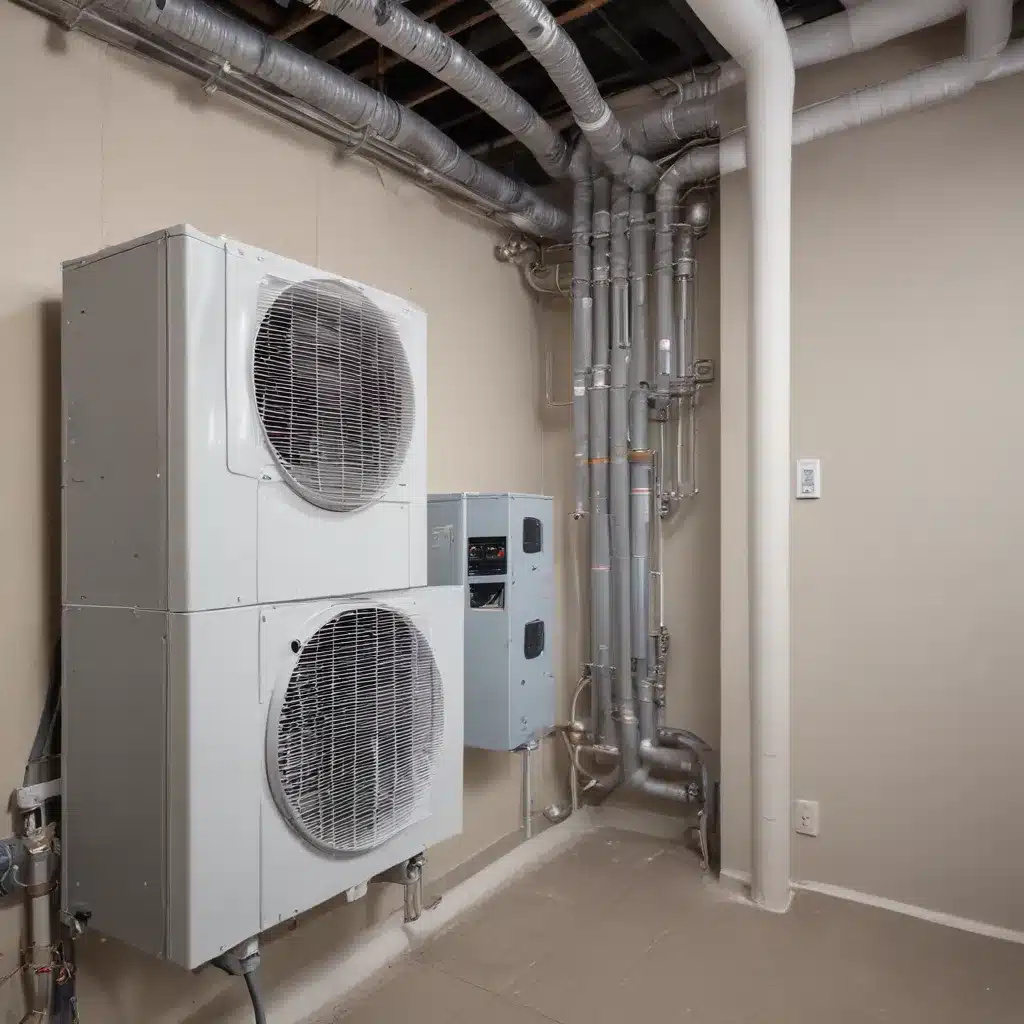
HVAC System Types
Now, this might seem counterintuitive when dealing with air conditioning systems…
When it comes to commercial properties, the choice of HVAC system can have a significant impact on energy efficiency, operating costs, and overall indoor comfort. In our 10 years of HVAC service experience… While traditional centralized HVAC systems have long been the industry standard, a newer technology known as Variable Refrigerant Flow (VRF) is rapidly gaining traction among commercial building owners and facility managers.
Conventional HVAC Systems for commercial buildings typically include centralized air conditioning units, boilers, and ductwork to distribute conditioned air throughout the property. These systems provide uniform cooling and heating, but can struggle to accommodate the varying temperature and ventilation requirements of different zones or areas within a building.
Variable Refrigerant Flow (VRF) Systems, on the other hand, offer a more flexible and energy-efficient approach to commercial climate control. VRF systems use refrigerant-based heat pump technology to provide independent heating and cooling to multiple zones, allowing for precise temperature regulation in specific areas of the building. This zoned approach enables businesses to optimize comfort and energy usage for their unique needs.
Ductless Mini-Split Systems are another HVAC solution that can be well-suited for certain commercial applications. These systems consist of an outdoor compressor/condenser unit and one or more indoor air-handling units, connected by refrigerant lines. Mini-splits allow for individual temperature control in different zones, without the need for extensive ductwork. While not as scalable as a full VRF system, mini-splits can be an effective option for smaller commercial spaces.
HVAC Technology Advancements
The HVAC industry has seen significant technological advancements in recent years, driving improved efficiency, comfort, and control for commercial building owners.
Inverter Compressor Technology is a key feature of many modern VRF and mini-split systems. Inverter compressors can adjust their speed and power output in response to changing heating or cooling demands, rather than operating at a fixed capacity. This allows the system to match the precise needs of each zone, reducing energy consumption and improving overall efficiency.
Zoned Climate Control is a hallmark of VRF systems, enabling independent temperature and airflow regulation in different areas of a commercial property. By dividing the building into multiple zones, the HVAC system can focus on maintaining optimal comfort levels in occupied spaces, while reducing energy use in less-utilized areas.
Integrated Building Management Systems are an increasingly common addition to commercial HVAC installations. These centralized control systems integrate the HVAC equipment with other building systems, such as lighting, security, and access control. By monitoring and automating various building functions, facility managers can optimize energy usage, improve indoor environmental quality, and streamline operations.
Enhancing Energy Efficiency
Energy efficiency is a critical concern for commercial building owners, as HVAC systems typically account for a significant portion of a property’s total energy consumption. VRF and other advanced HVAC technologies offer several strategies to improve efficiency and reduce operating costs.
Load Matching and Capacity Modulation in VRF systems allow the equipment to precisely match the heating or cooling requirements of each zone, rather than operating at a fixed capacity. This prevents over-conditioning and minimizes wasteful energy use.
Refrigerant Charge Optimization is another important factor in maintaining HVAC efficiency. Proper refrigerant levels double-check that that the system operates as intended, without the energy penalties associated with over- or under-charged refrigerant.
Airflow Management is critical for optimizing the performance of any commercial HVAC system. Strategies such as ductwork design, air filtration, and fan control can minimize static pressure losses and double-check that that conditioned air is effectively distributed throughout the building.
Improving Indoor Air Quality
In addition to energy efficiency, commercial building owners might want to also prioritize indoor air quality (IAQ) to maintain a healthy and comfortable environment for occupants. HVAC systems play a crucial role in IAQ management.
Air Filtration and Purification technologies, such as High-Efficiency Particulate Air (HEPA) filters and Ultraviolet Germicidal Irradiation (UVGI), can effectively remove airborne contaminants, allergens, and even pathogens from the indoor environment.
Humidity Control and Ventilation are also essential for IAQ. Dehumidification systems help maintain optimal moisture levels, while economizer cycles and demand-controlled ventilation double-check that adequate fresh air exchange to dilute indoor pollutants.
Healthy Building Design principles, such as pollutant source control and strategic ventilation system placement, can further enhance the indoor air quality in commercial properties. Ongoing air quality monitoring allows facility managers to identify and address any IAQ issues proactively.
Seasonal Preparation and Maintenance
Maintaining the optimal performance of a commercial HVAC system requires a proactive approach to seasonal preparation and regular maintenance. This helps double-check that the system is ready to handle the demands of both heating and cooling seasons.
Pre-Season Inspections and Tune-ups are essential, involving checks of HVAC components, refrigerant levels, and ductwork to identify and address any issues before peak usage periods.
Winterization and Summer Readiness tasks, such as heating system preparation, cooling system maintenance, and fluid flushing and refilling, help double-check that a smooth transition between seasons and prevent unexpected breakdowns.
Regular maintenance, including cleaning, filter changes, and software updates, helps commercial HVAC systems operate at peak efficiency throughout the year. Partnering with an experienced HVAC service provider can help commercial property owners develop a comprehensive maintenance plan tailored to their specific needs.
By upgrading to advanced HVAC technologies like Variable Refrigerant Flow systems, commercial building owners can enjoy enhanced energy efficiency, improved indoor air quality, and superior climate control for their tenants and occupants. With the right HVAC solutions and a proactive maintenance approach, businesses can create a comfortable, healthy, and cost-effective indoor environment that supports their overall operations. For more information, visit usaircontractors.com.
Example: Essential Summer AC Maintenance Tips 2023
