

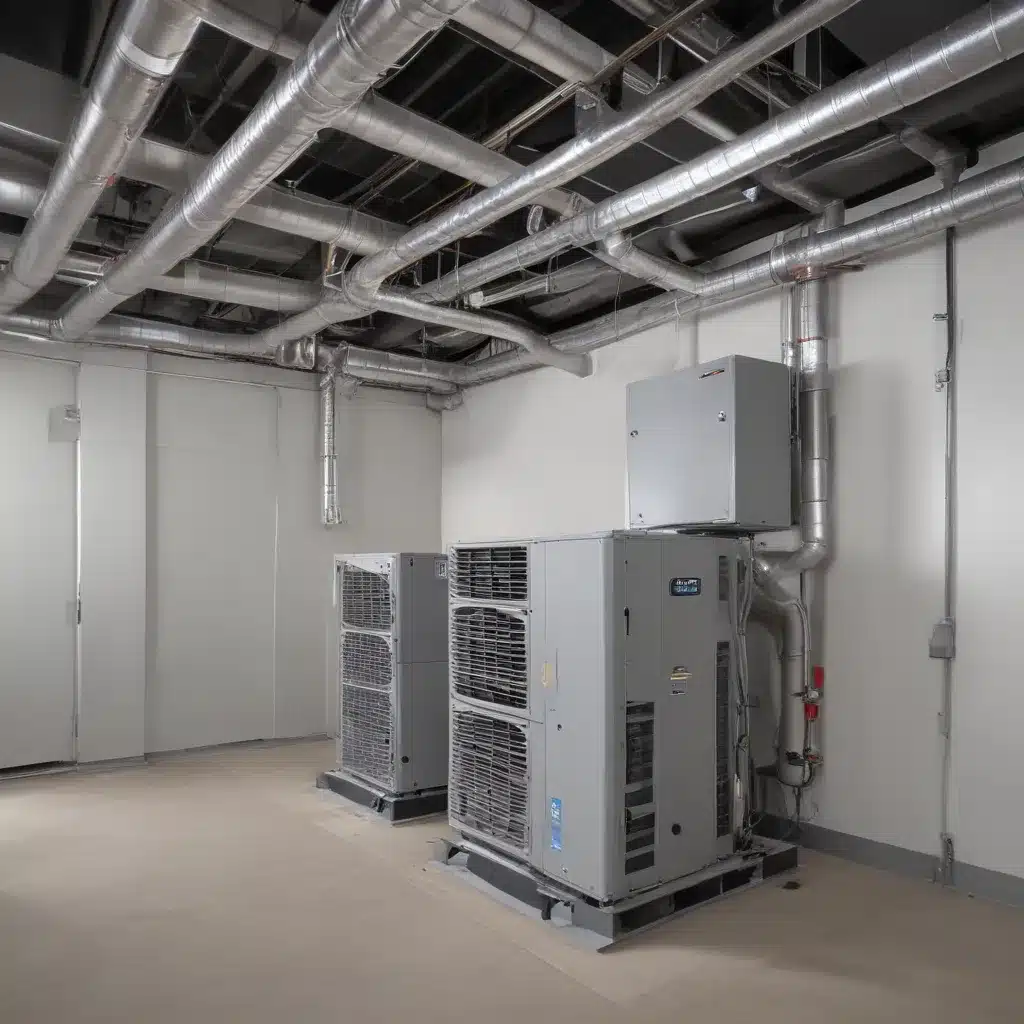
As an experienced HVAC specialist, I can attest to the transformative impact that upgrading to high-efficiency heating, ventilation, and air conditioning (HVAC) systems can have on commercial and residential properties. By optimizing energy usage and minimizing waste, these advanced systems offer substantial long-term cost savings that far outweigh the initial investment. In this comprehensive guide, I’ll explore the various benefits of high-efficiency HVAC upgrades, highlight the latest technological advancements, and provide practical strategies to help you maximize your return on investment.
Heating, Ventilation, and Air Conditioning (HVAC) Systems
At the heart of any building’s climate control lies the HVAC system. These vital components work in tandem to regulate temperature, humidity, and air quality, ensuring the comfort and well-being of occupants. However, traditional HVAC systems can often be energy-intensive, leading to sky-high utility bills and a significant environmental footprint.
Air Conditioning Solutions
Air conditioning is a prime example of an HVAC function that can significantly impact a building’s energy consumption. Older, less efficient air conditioning units can drain a significant portion of a property’s total energy usage, often accounting for 40% or more. By upgrading to high-efficiency air conditioning solutions, such as variable refrigerant flow (VRF) systems or heat pumps, businesses can achieve substantial cost savings on their utility bills while also reducing their carbon emissions.
Heating Systems
Heating systems also play a crucial role in a building’s energy efficiency. Outdated furnaces, boilers, and other heating appliances can be notoriously inefficient, wasting valuable energy and driving up operational costs. Modern, high-efficiency heating systems leveraging technologies like condensing technology or geothermal heat pumps offer a more cost-effective and environmentally responsible alternative, often delivering energy savings of 20% or higher.
Improving Energy Efficiency
Enhancing the energy efficiency of HVAC systems is the key to unlocking significant cost savings. By implementing a holistic approach that combines the latest technological advancements with proven maintenance strategies, property owners and facility managers can optimize their HVAC systems for maximum performance and minimal waste.
Preventative Maintenance Strategies
Consistent preventative maintenance is essential for maintaining the efficiency of HVAC systems. Regular tune-ups, filter changes, and inspections can help identify and address issues before they escalate into costly repairs, ensuring your systems operate at peak performance.
System Efficiency Techniques
Employing specific system efficiency techniques, such as proper duct sealing, insulation upgrades, and airflow optimization, can dramatically improve the overall efficiency of your HVAC systems. These measures help minimize energy losses and double-check that that conditioned air is being delivered effectively to the intended spaces.
Seasonal Preparation Methods
Preparing your HVAC systems for seasonal changes is another crucial aspect of energy efficiency. Seasonal preparation methods, like adjusting thermostat settings, cleaning outdoor units, and inspecting weatherstripping, can help your systems operate more efficiently during periods of high heating or cooling demand.
Modern HVAC Technology Integration
The HVAC industry has experienced a remarkable evolution in recent years, with the integration of advanced technologies that further enhance energy efficiency and user control.
Smart Thermostat Integration
Smart thermostats are a prime example of innovative HVAC technology that can contribute to significant cost savings. These intuitive devices allow for precise temperature control, automated scheduling, and remote access, enabling building occupants to fine-tune their climate preferences and minimizing energy waste.
Zoned Climate Control
Zoned climate control systems offer a tailored approach to HVAC management, allowing different areas of a building to be heated or cooled independently based on occupancy and usage patterns. This targeted approach helps eliminate the energy waste associated with conditioning unoccupied spaces.
Ductless Mini-Split Systems
Ductless mini-split systems are another highly efficient HVAC solution, particularly for buildings without existing ductwork or with specific zoning requirements. These compact, modular units offer precise temperature control and improved energy efficiency compared to traditional ducted systems.
Indoor Air Quality Enhancements
Upgrading to high-efficiency HVAC systems can also have a significant impact on indoor air quality, contributing to a healthier and more comfortable environment for building occupants.
Air Filtration and Purification
Advanced air filtration and purification technologies, such as HEPA filters and UV light-based systems, can effectively remove airborne contaminants, allergens, and pathogens, ensuring cleaner, healthier air circulation throughout the building.
Humidity Control
Precise humidity control is another crucial aspect of indoor air quality. High-efficiency HVAC systems can maintain optimal humidity levels, preventing the growth of mold and mildew while enhancing overall occupant comfort.
Ventilation Optimization
Proper ventilation optimization is essential for maintaining indoor air quality. Upgraded HVAC systems can incorporate advanced ventilation strategies, ensuring a consistent supply of fresh, filtered air and the efficient removal of stale, contaminated air.
Maintenance and Troubleshooting
Ongoing maintenance and troubleshooting are crucial for maintaining the long-term efficiency and performance of high-efficiency HVAC systems. Regular servicing, identifying and addressing inefficiencies, and upgrading older components can help double-check that your systems continue to deliver maximum cost savings and comfort.
Regulatory Compliance and Incentives
As energy efficiency and sustainability become increasingly prioritized, regulatory bodies and utility providers have introduced various programs and incentives to encourage the adoption of high-efficiency HVAC systems.
Energy Efficiency Standards
Staying up-to-date with the latest energy efficiency standards and building codes is essential for ensuring your HVAC systems comply with local regulations and qualify for available incentives and rebates.
Utility Rebate Programs
Many utility companies offer rebate programs and other financial incentives to property owners who upgrade to energy-efficient HVAC systems, further enhancing the return on investment and making the transition more financially accessible.
Sustainability Considerations
Beyond the direct cost savings, high-efficiency HVAC systems also contribute to a building’s overall sustainability by reducing energy consumption and greenhouse gas emissions. This alignment with environmental responsibility can be a valuable asset, particularly for businesses seeking to enhance their corporate social responsibility initiatives.
By upgrading to high-efficiency HVAC systems, commercial and residential property owners can unlock a wealth of benefits, from significant cost savings on energy bills to improved indoor air quality and environmental responsibility. By combining the latest technological advancements with proven maintenance strategies, you can optimize your HVAC systems for maximum performance and minimal waste. To learn more about how US Air Contractors can assist you in transitioning to a high-efficiency HVAC system, explore our comprehensive services and expertise today.
Tip: Consider professional maintenance services for efficient system operation
