

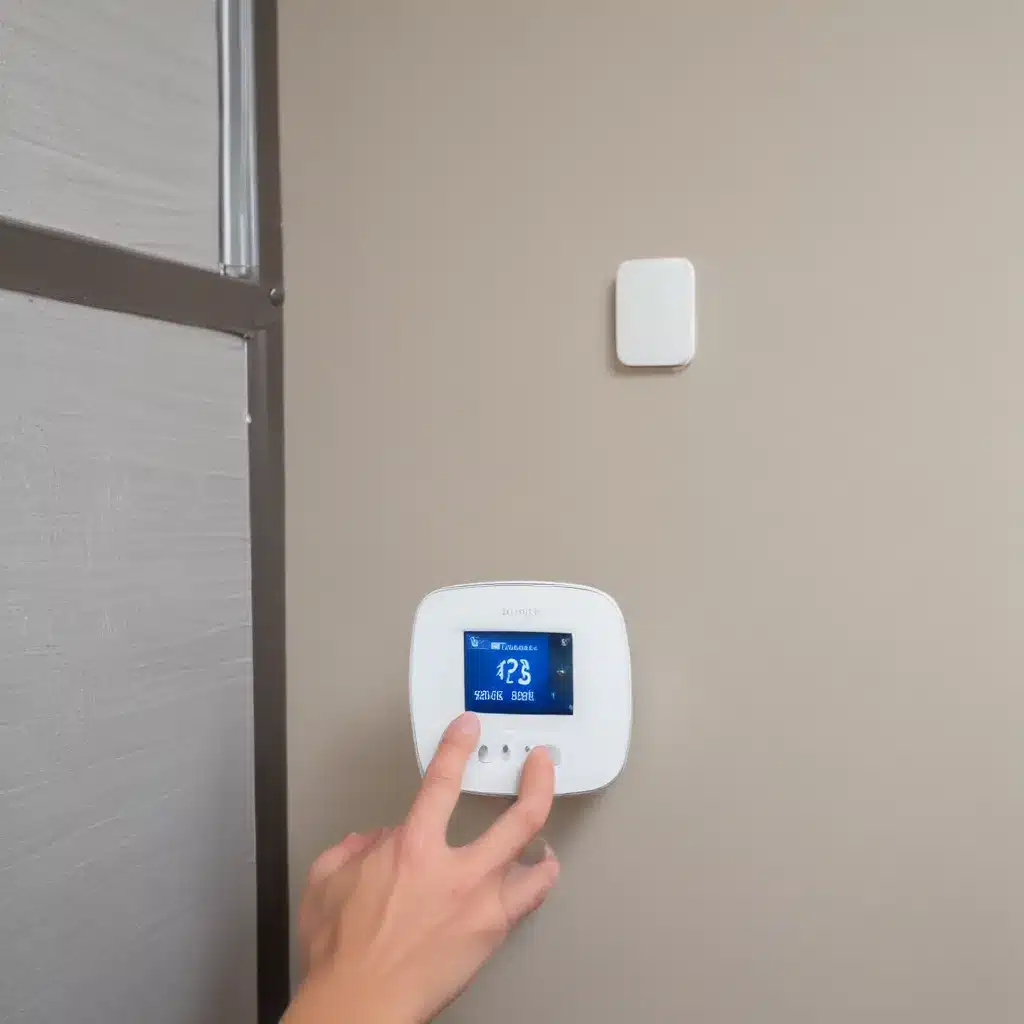
Upgrading to a Smart Thermostat: Benefits and Installation Considerations
As an experienced HVAC specialist, I’ve seen firsthand how the right climate control system can transform a home or commercial space. At US Air Contractors, we’re passionate about helping our clients optimize their heating, cooling, and indoor air quality for maximum comfort and energy efficiency. One of the most impactful upgrades we recommend is the installation of a smart thermostat.
Now, this might seem counterintuitive when dealing with air conditioning systems…
The Rise of Smart Home Climate Control
The traditional thermostat has come a long way in recent years. No longer are we limited to basic temperature adjustments and clunky interfaces. Smart thermostats have emerged as a game-changing solution, blending advanced features with intuitive design to put precise climate control at your fingertips.
These connected devices leverage Wi-Fi, automation, and intelligent algorithms to revolutionize how we manage our indoor environments. By seamlessly integrating with your existing HVAC system, a smart thermostat can learn your preferences, adapt to your schedule, and make real-time adjustments to optimize energy usage and reach your ideal comfort levels.
Key Benefits of Smart Thermostats
The advantages of upgrading to a smart thermostat are numerous, making this upgrade a worthwhile investment for homeowners and businesses alike. Let’s explore some of the top benefits:
Energy Savings: Smart thermostats are designed to reduce energy consumption by intelligently managing your heating and cooling systems. By automatically adjusting temperatures when you’re away or asleep, they can cut your monthly utility bills by 10-15% on average.
Improved Comfort: These advanced devices use sensors and algorithms to continuously monitor your indoor climate, making precise adjustments to maintain your desired temperature. Many even have the ability to detect when you enter or leave a room, allowing them to adapt the environment to your presence.
Enhanced Automation: Smart thermostats empower you to create custom schedules and temperature presets, automating your climate control based on your unique routines and preferences. Some even integrate with other smart home devices, enabling whole-home automation.
Remote Access: With a smart thermostat, you can monitor and control your home’s temperature from anywhere using a mobile app or voice commands. This flexibility allows you to make adjustments on the go, ensuring your space is always comfortable.
Detailed Insights: Many smart thermostats provide comprehensive energy usage reports, allowing you to analyze your consumption patterns and identify opportunities for further optimization. Some even offer personalized tips to help you save even more.
Increased Efficiency: By automatically adjusting your HVAC system to match your needs, smart thermostats can extend the lifespan of your equipment and reduce the frequency of costly repairs.
Preparing for a Smart Thermostat Installation
Before you upgrade to a smart thermostat, there are a few important considerations to keep in mind. Proper preparation can double-check that a seamless installation process and help you get the most out of your new climate control solution.
Compatibility with Your HVAC System: Not all smart thermostats are compatible with every type of heating and cooling equipment. It’s essential to carefully research your options and double-check that the thermostat you choose will work with your existing system. Many brands provide online compatibility tools to simplify this process.
Power Source Requirements: Most smart thermostats require a dedicated common (C) wire to provide a constant power source. If your current thermostat setup doesn’t have a C-wire, you may need to install one or explore alternative power solutions offered by certain thermostat models.
Wiring Considerations: When replacing your old thermostat, you’ll need to carefully disconnect and reconnect the low-voltage wiring. It’s a good idea to take photos of the existing wiring configuration to use as a reference during the installation.
Wi-Fi Connectivity: Smart thermostats rely on a stable Wi-Fi connection to access the internet and enable remote control and automation features. double-check that your home or business has reliable Wi-Fi coverage in the area where the thermostat will be installed.
Pre-Installation Checklist: Before beginning the installation, be sure to turn off the power to your HVAC system at the circuit breaker. This will prevent any electrical accidents during the process. Additionally, gather the necessary tools, such as a screwdriver, drill, and wire stripper.
The Smart Thermostat Installation Process
With the proper preparation complete, you’re ready to begin the installation process. While the specific steps may vary slightly depending on the thermostat model, the general process typically follows these guidelines:
-
Remove the Old Thermostat: Carefully detach the faceplate of your current thermostat and take a photo of the existing wiring configuration. This will serve as a reference when connecting the new device.
-
Install the Thermostat Backplate: Use the backplate of the new smart thermostat as a template to mark the wall where the mounting screws will go. Drill the necessary holes and secure the backplate to the wall, ensuring the wires are properly threaded through the opening.
-
Connect the Wiring: Refer to the photos you’ve taken and connect each wire to its corresponding terminal on the backplate, following the manufacturer’s instructions. If you don’t have a C-wire, you may need to install an adapter or consult a professional for assistance.
-
Attach the Thermostat Faceplate: Once the wiring is complete, simply snap the faceplate of the smart thermostat onto the backplate, ensuring a secure connection.
-
Power On and Set Up: Restore power to your HVAC system at the circuit breaker, and the smart thermostat will begin the initial setup process. Follow the on-screen prompts to connect the device to your home’s Wi-Fi network, download the companion mobile app, and configure your preferred settings.
-
Ongoing Maintenance: Remember that your smart thermostat may require occasional software updates to double-check that it’s operating at peak performance and taking advantage of the latest features and security enhancements. Be sure to check for updates regularly and install them promptly.
By following these steps, you can successfully upgrade your home or business to a state-of-the-art smart thermostat, unlocking a world of enhanced climate control and energy-saving benefits. If you encounter any challenges or need further assistance, the team at US Air Contractors is always here to help.
Maximizing the Benefits of Your Smart Thermostat
Now that your new smart thermostat is installed and operational, it’s time to explore all the ways it can transform your indoor comfort and energy efficiency. Here are some tips to help you get the most out of your investment:
Create Personalized Schedules: Leverage the thermostat’s scheduling capabilities to program temperatures that match your daily routines. Set the system to maintain a comfortable climate when you’re home, and automatically adjust to more energy-efficient settings when you’re away or asleep.
Utilize Occupancy Sensors: Many smart thermostats are equipped with motion sensors that can detect when a room is occupied. By automatically adjusting the temperature based on your presence, these devices can maximize comfort while minimizing unnecessary energy usage.
Integrate with Smart Home Ecosystems: To take your climate control to the next level, consider integrating your smart thermostat with other connected devices in your home, such as smart speakers, security systems, and lighting. This level of integration allows for seamless, whole-home automation.
Monitor and Analyze Energy Usage: Smart thermostats provide detailed reports on your HVAC system’s energy consumption, enabling you to identify areas for improvement. Review these insights regularly and make adjustments to your schedules or settings to optimize your energy savings.
Leverage Adaptive Learning: Advanced smart thermostats can learn your temperature preferences and habits over time, automatically adjusting to your needs without the need for constant manual programming. Embrace this self-learning capability to enhance your comfort and efficiency.
Maintain and Update the System: Like any technology, your smart thermostat will require occasional maintenance and software updates to double-check that optimal performance. Stay on top of these updates and consider professional HVAC servicing to keep your system running at its best.
By taking full advantage of your smart thermostat’s features and capabilities, you’ll enjoy a more comfortable, energy-efficient, and convenient indoor climate all year round. If you have any questions or need assistance, don’t hesitate to reach out to the experts at US Air Contractors. We’re here to help you get the most out of your HVAC system and create a healthier, more sustainable living or working environment.
Tip: Replace air filters monthly to maintain optimal air quality
