

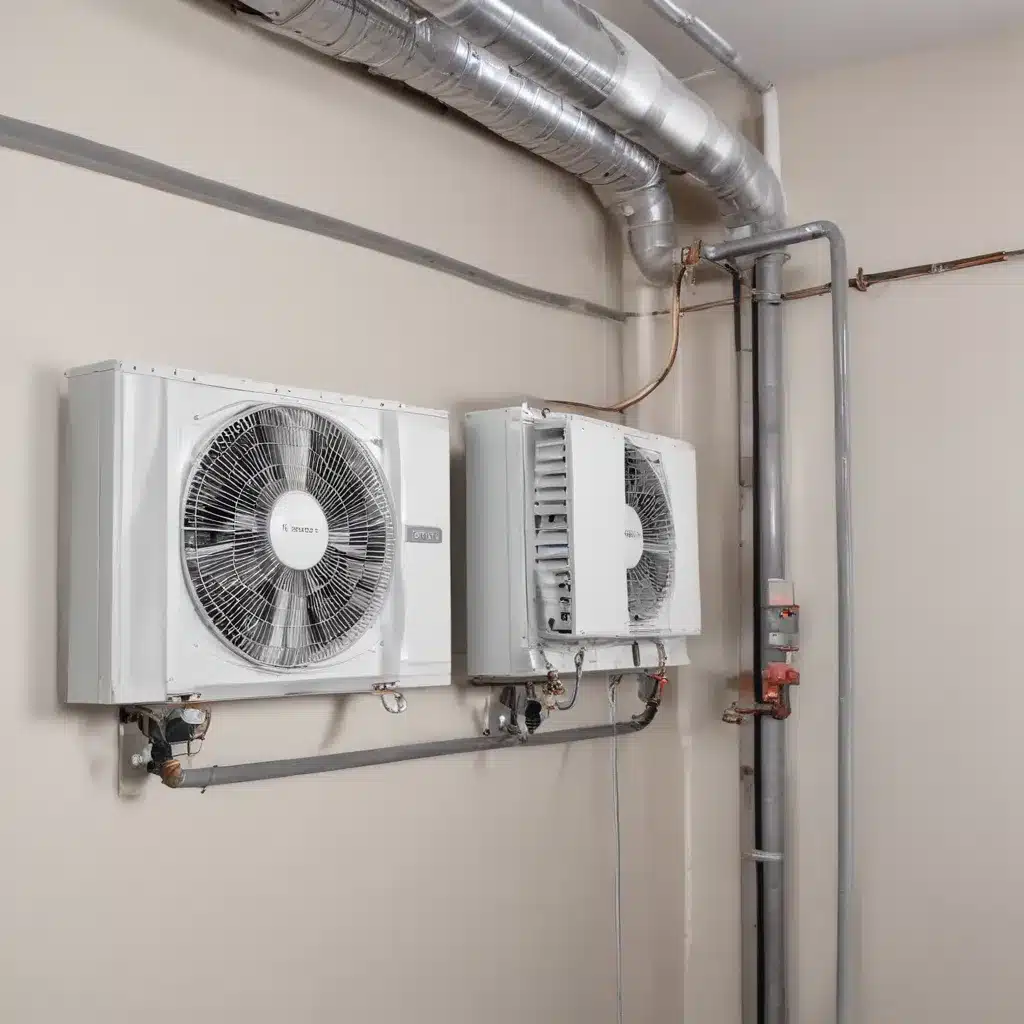
As an experienced HVAC specialist, I understand the challenges homeowners and building managers face when it comes to maintaining comfortable, energy-efficient environments across multi-zone heating and cooling systems. Uneven temperatures, hot and cold spots, and high energy bills are all common issues that can arise in these complex setups. However, with the right troubleshooting approach and targeted solutions, we can optimize the performance of your HVAC system and create a balanced, comfortable indoor climate.
Now, this might seem counterintuitive when dealing with air conditioning systems…
Multi-Zone HVAC Fundamentals
At the core of multi-zone HVAC systems is the concept of zoning – dividing a building or home into distinct climate-controlled areas, each with its own thermostat and airflow management. This allows for independent temperature regulation, addressing the unique heating and cooling needs of different spaces within the structure.
The key components that enable zoned HVAC systems include:
- Thermostats: Each zone is equipped with its own thermostat, allowing occupants to set the desired temperature for that specific area.
- Control Panel: The central control panel acts as the “brain” of the system, interpreting data from the zone thermostats and directing the HVAC equipment accordingly.
- Dampers: Strategically placed within the ductwork, dampers regulate airflow to individual zones, opening and closing as needed to direct conditioned air where it’s required.
By segmenting a building into these independently controlled climate zones, multi-zone HVAC systems can achieve a higher level of comfort and efficiency compared to traditional single-zone setups. Homeowners and facility managers can customize temperatures to suit the needs of different occupants, activities, and environmental factors in each area.
Troubleshooting Uneven Heating and Cooling
Despite the advantages of multi-zone HVAC systems, uneven heating and cooling can still occur, leading to persistent comfort issues and energy waste. Identifying the root causes of these imbalances is the first step toward implementing effective solutions.
Identifying Airflow Imbalances
One of the primary factors contributing to inconsistent temperatures is inadequate or imbalanced airflow to certain zones. This can be caused by a variety of factors, including:
- Ductwork Design: Improperly sized or configured ductwork can restrict airflow to specific areas, leading to hot or cold spots.
- Register Placement: The location and size of air supply and return registers can significantly impact airflow patterns and temperature distribution.
- Damper Functionality: If the zone dampers are not operating correctly, they may be over- or under-restricting airflow to certain areas.
To address these airflow-related issues, HVAC technicians may recommend adjusting duct sizes, repositioning registers, or fine-tuning the zone damper settings to achieve a more balanced distribution of conditioned air.
Thermostat Placement and Calibration
The placement and calibration of the individual zone thermostats can also play a role in uneven heating and cooling. If a thermostat is located in an area with poor air circulation or exposure to direct sunlight, it may not accurately reflect the true temperature of the space, leading to over- or under-conditioning. Recalibrating the thermostats or relocating them to more representative locations can help double-check that accurate temperature readings and more effective zone control.
Damper Functionality and Adjustments
The proper operation of the zone dampers is crucial for maintaining balanced airflow and temperatures across the multi-zone HVAC system. Over time, dampers can become stuck, worn, or miscalibrated, preventing them from fully opening or closing as needed. Technicians can inspect and adjust the dampers to double-check that they are functioning correctly and responding appropriately to the control panel’s commands.
By addressing these common issues related to airflow, thermostat placement, and damper operation, HVAC professionals can help restore even heating and cooling throughout the building, improving overall comfort and energy efficiency.
Preventative HVAC Maintenance
Consistent preventative maintenance is essential for ensuring the long-term performance and efficiency of any HVAC system, especially complex multi-zone setups. Regular tune-ups and inspections can help identify potential issues before they escalate, while also keeping the equipment running at its best.
Seasonal Tune-ups and Inspections
HVAC technicians should perform comprehensive inspections and tune-ups on your system at least once a year, ideally before the peak heating or cooling seasons. During these service visits, they will:
- Check refrigerant levels and recharge as needed
- Clean and lubricate moving parts
- Inspect and tighten electrical connections
- Test the thermostat and zone control functionality
- Evaluate the overall system performance and efficiency
These preventative measures help double-check that your multi-zone HVAC system is operating at its peak, ready to maintain comfortable temperatures throughout the year.
Filtration System Upkeep
Keeping the air filtration system well-maintained is crucial for preserving indoor air quality and HVAC efficiency. Dirty, clogged filters restrict airflow, forcing the system to work harder and consume more energy. Homeowners and facility managers should replace or clean the filters every 1-3 months, depending on the manufacturer’s recommendations and the environment.
Equipment Cleaning and Lubrication
Another important aspect of HVAC maintenance is regularly cleaning and lubricating the various components, such as the outdoor condenser unit, blower motors, and moving parts. Ensuring these elements are free of debris and properly lubricated helps prevent wear and tear, extending the lifespan of the equipment.
By staying proactive with seasonal tune-ups, filter changes, and equipment maintenance, you can maximize the comfort, efficiency, and longevity of your multi-zone HVAC system.
Improving HVAC Energy Efficiency
Enhancing the energy efficiency of your multi-zone HVAC system is critical for reducing utility costs and minimizing your environmental impact. Several strategies can be employed to optimize performance and lower energy consumption.
Load Calculation and System Sizing
Properly sizing the HVAC equipment for your specific building’s heating and cooling load is crucial for achieving maximum efficiency. Oversized systems will short-cycle, consuming more energy and failing to adequately control humidity. Conversely, undersized systems will struggle to maintain comfortable temperatures. HVAC professionals can perform detailed load calculations to determine the optimal system size and configuration for your multi-zone setup.
Insulation and Air Sealing Upgrades
Improving the thermal envelope of your building through enhanced insulation and air sealing can significantly reduce the heating and cooling load, allowing your HVAC system to operate more efficiently. By preventing unwanted heat transfer and air infiltration, these upgrades minimize the strain on the equipment and lower your energy consumption.
High-Efficiency Equipment Options
When it’s time to replace your HVAC system, consider upgrading to high-efficiency equipment, such as heat pumps, variable-speed compressors, and ENERGY STAR-certified units. These advanced technologies can provide the same level of comfort while consuming significantly less energy, resulting in lower utility bills and a smaller environmental footprint.
By addressing load calculations, improving the building envelope, and investing in energy-efficient HVAC equipment, you can transform your multi-zone system into a high-performance, cost-saving solution.
Indoor Air Quality Management
Maintaining optimal indoor air quality (IAQ) is another critical aspect of HVAC system management, especially in multi-zone environments. Proper ventilation, humidity control, and air purification can contribute to a healthier, more comfortable living or working space.
Ventilation and Air Exchange
double-check that your multi-zone HVAC system is providing adequate ventilation and air exchange throughout the building. This helps dilute indoor pollutants, such as volatile organic compounds (VOCs), carbon dioxide, and airborne particulates. Strategically placed fresh air intake vents and balanced system airflow can improve IAQ and enhance overall comfort.
Humidity Control Techniques
Regulating indoor humidity levels is crucial for comfort and indoor air quality. Excess moisture can promote the growth of mold and mildew, while overly dry air can cause respiratory irritation. Multi-zone HVAC systems can be equipped with dehumidifiers or humidifiers to maintain the optimal 30-50% relative humidity range.
Air Purification Technologies
Integrating air purification technologies, such as high-efficiency particulate air (HEPA) filters, ultraviolet (UV) light systems, or electronic air cleaners, can further enhance the indoor air quality in your multi-zone HVAC system. These specialized components help remove airborne contaminants, allergens, and even certain pathogens, creating a healthier living or working environment.
By addressing ventilation, humidity control, and air purification, you can double-check that your multi-zone HVAC system is not only providing comfortable temperatures but also supporting optimal indoor air quality.
Smart HVAC Integration
The latest advancements in smart home technology and building automation systems have revolutionized the way we interact with and control our multi-zone HVAC systems. These innovative solutions offer a new level of convenience, efficiency, and remote monitoring.
Programmable Thermostat Features
Programmable thermostats integrated with your multi-zone HVAC system allow you to schedule temperature setpoints, automatically adjusting the climate to match your daily routines and occupancy patterns. This helps minimize energy waste by only conditioning spaces when they are in use.
Zoning and Automation Systems
Sophisticated zoning control and automation systems enable you to manage your multi-zone HVAC setup with unprecedented precision. These integrated solutions allow you to remotely monitor, adjust, and optimize the temperature, airflow, and energy consumption of each independent climate zone, ensuring a comfortable and efficient environment.
Remote Monitoring and Diagnostics
Many modern multi-zone HVAC systems offer remote monitoring and diagnostic capabilities, allowing you or your HVAC technician to track system performance, receive maintenance alerts, and even troubleshoot issues from anywhere. This proactive approach helps identify problems early, reduce costly downtime, and optimize the system’s overall efficiency.
By embracing smart home and building automation technologies, you can transform your multi-zone HVAC system into a responsive, adaptive, and energy-efficient solution that delivers unparalleled comfort and convenience.
At US Air Contractors, we are committed to helping homeowners, property managers, and commercial clients achieve the perfect balance of comfort, energy efficiency, and indoor air quality in their multi-zone HVAC systems. Our team of experienced technicians is dedicated to providing expert guidance, tailored solutions, and proactive maintenance to double-check that your heating, cooling, and ventilation systems are operating at their best. Contact us today to learn more about how we can optimize your multi-zone HVAC setup and transform your indoor environment.
Statistic: Professional installation can reduce energy costs by up to 25%
