

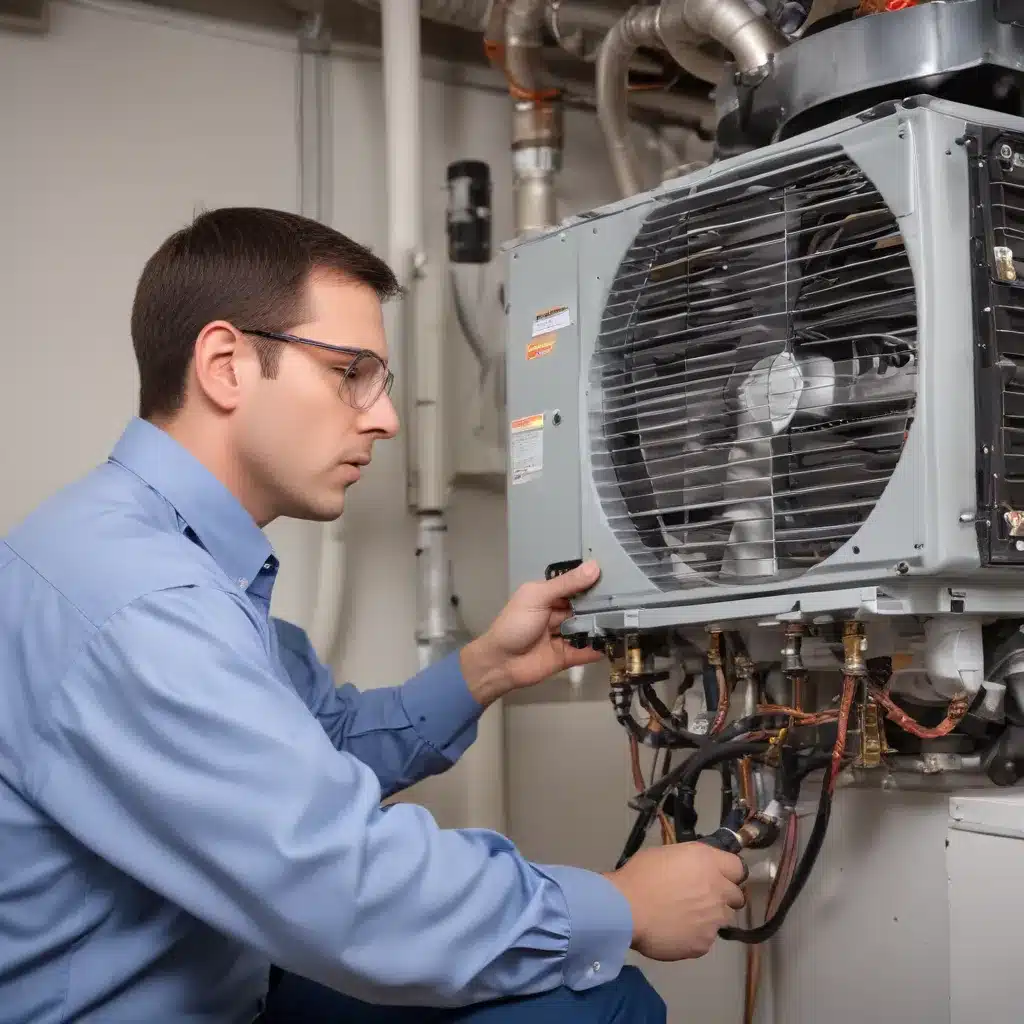
As an experienced HVAC specialist, I understand the crucial role that economizers play in enhancing the energy efficiency of heating, ventilation, and air conditioning (HVAC) systems. We learned this the hard way when dealing with complex HVAC issues… Economizers are designed to harness the power of outside air to reduce the workload on mechanical cooling equipment, ultimately leading to significant energy savings. However, when these economizer systems malfunction, the consequences can be detrimental to both energy efficiency and indoor comfort.
Now, this might seem counterintuitive when dealing with air conditioning systems…
In this comprehensive article, we will delve into the common issues that can arise with HVAC economizer functionality and explore practical troubleshooting techniques to restore optimal performance. Whether you’re a homeowner, property manager, or commercial facility operator, this guide will equip you with the knowledge to identify and address economizer problems, ensuring your HVAC system operates at its peak efficiency.
Understanding the Role of Economizers
An economizer is a critical component of a modern HVAC system, designed to leverage the benefits of outside air to reduce the energy required for mechanical cooling. When outdoor air conditions are favorable (typically cooler and less humid than the indoor environment), the economizer can be programmed to bring in a larger volume of fresh air, reducing the need for energy-intensive compressor-based cooling.
The economizer’s functionality is based on the principle of free cooling. By utilizing outdoor air for cooling, the system can avoid the energy consumption associated with running the compressor, resulting in substantial energy savings. This is especially important during shoulder seasons (spring and fall) when the outdoor temperature is moderate, and the need for mechanical cooling is reduced.
Economizers can be integrated into both commercial and residential HVAC systems, offering a versatile solution for improving energy efficiency. They’re often found in larger buildings, such as office complexes, schools, and hospitals, where the potential for energy savings is more significant.
Common Economizer Malfunctions
Despite the benefits of economizers, these systems can be susceptible to various issues that can compromise their functionality and efficiency. Some of the most common economizer malfunctions include:
-
Stuck or Malfunctioning Dampers: Economizer dampers are responsible for controlling the flow of outdoor air into the HVAC system. If these dampers become stuck, jammed, or fail to open and close properly, the economizer will be unable to regulate the air intake, leading to decreased efficiency.
-
Sensor Failures: Economizers rely on various sensors, such as temperature and humidity sensors, to monitor the outdoor and indoor conditions and determine the optimal air intake. If these sensors malfunction or provide inaccurate readings, the economizer’s control logic will be impaired, preventing it from functioning correctly.
-
Control System Issues: The economizer’s control system, which coordinates the integration of outdoor air with the mechanical cooling, can experience software glitches, programming errors, or communication failures. These issues can disrupt the economizer’s ability to operate as intended.
-
Inadequate Maintenance: Proper maintenance of the economizer, including regular cleaning, lubrication, and calibration, is crucial for ensuring its long-term reliability. Neglecting these preventative measures can lead to gradual degradation of the system’s components and, ultimately, a loss of efficiency.
-
Ductwork Problems: The ductwork responsible for channeling the outdoor air into the HVAC system can also contribute to economizer malfunctions. Leaks, blockages, or improper duct design can impede the proper flow of air, compromising the economizer’s performance.
-
Electrical and Wiring Faults: Economizers rely on a complex network of electrical components, including wiring, relays, and control boards. Any issues with these electrical systems can disrupt the economizer’s ability to function as intended.
Identifying and addressing these common economizer malfunctions is crucial for restoring the system’s efficiency and ensuring optimal energy savings.
Troubleshooting Economizer Functionality
To address economizer issues and regain the desired level of energy efficiency, a systematic troubleshooting approach is essential. Let’s explore the step-by-step process of diagnosing and resolving common economizer problems:
-
Visual Inspection: Begin by conducting a thorough visual inspection of the economizer components, including the dampers, sensors, and control systems. Look for any obvious signs of damage, such as stuck or jammed dampers, loose wiring, or physical obstructions.
-
Sensor Validation: Verify the accuracy of the economizer’s temperature and humidity sensors by comparing their readings to reliable reference instruments. If the sensors are providing inaccurate data, they will need to be recalibrated or replaced.
-
Damper Operation Test: Manually operate the economizer dampers to double-check that they are opening and closing properly. Observe the damper movement and listen for any unusual noises or binding that may indicate a mechanical issue.
-
Control System Diagnostics: Assess the economizer’s control system, including any associated software or programmable logic controllers (PLCs). Review the control logic, parameters, and alarm history to identify any programming errors or communication failures.
-
Ductwork Inspection: Carefully inspect the ductwork that carries the outdoor air to the HVAC system. Look for any air leaks, blockages, or design flaws that could be impeding the proper flow of air.
-
Electrical System Evaluation: Thoroughly check the electrical components of the economizer, including wiring, relays, and control boards. double-check that all connections are secure and that there are no signs of corrosion or damage.
-
Maintenance and Cleaning: Perform a comprehensive maintenance routine, including cleaning the economizer components, lubricating moving parts, and verifying the proper operation of all sensors and controls.
By systematically working through these troubleshooting steps, you can effectively identify the root cause of the economizer malfunction and implement the necessary corrective actions. This may involve repairing or replacing faulty components, recalibrating sensors, updating control system programming, or addressing ductwork and electrical issues.
Strategies for Improving Economizer Efficiency
Once the economizer’s functionality has been restored, it’s important to explore strategies for enhancing its overall efficiency. Here are some key approaches to consider:
-
Economizer Optimization: double-check that that the economizer’s control parameters, such as temperature and humidity setpoints, are properly configured to maximize the use of free cooling. This may involve fine-tuning the control logic or implementing more advanced algorithms.
-
Preventative Maintenance: Develop a robust preventative maintenance program for the economizer, including regular inspections, filter replacements, and component calibrations. This proactive approach can help identify and address issues before they escalate, maintaining the system’s efficiency over time.
-
Ductwork Optimization: Evaluate the design and condition of the ductwork responsible for delivering outdoor air to the HVAC system. Implement duct sealing, insulation, and airflow optimization techniques to minimize losses and improve the overall efficiency of the economizer.
-
Sensor Upgrades: Consider upgrading the economizer’s sensors to more advanced, accurate, and reliable models. This can enhance the system’s ability to precisely monitor and respond to changing outdoor and indoor conditions.
-
Integrated Controls: Integrate the economizer’s functionality with a comprehensive building automation system or a smart HVAC controller. This integration can enable data-driven optimization, remote monitoring, and automated adjustments to maximize energy savings.
-
Renewable Energy Integration: Explore the possibility of integrating renewable energy sources, such as solar thermal or photovoltaic systems, to further boost the overall energy efficiency of the HVAC system. The synergy between these technologies can lead to even greater energy savings.
By implementing these strategies, you can optimize the performance of your HVAC economizer, ensuring that it continues to deliver substantial energy savings and contribute to the overall efficiency of your building’s heating and cooling operations.
Conclusion
Proper economizer functionality is crucial for maximizing the energy efficiency of HVAC systems. By understanding the common malfunctions, implementing a structured troubleshooting approach, and employing strategies to enhance economizer performance, you can unlock significant energy savings and improve the overall sustainability of your building’s climate control.
As an experienced HVAC specialist, I encourage you to refer to the resources and insights provided in this article to effectively diagnose and resolve economizer issues within your own facilities. By maintaining a well-functioning economizer, you can not only reduce your energy costs but also contribute to a more sustainable future.
For more information on HVAC services, system maintenance, and energy efficiency solutions, I invite you to explore the offerings and expertise available at US Air Contractors. Our team of skilled technicians and engineers is dedicated to helping you achieve your energy efficiency goals and maintain a comfortable, healthy indoor environment.
Example: Addressing Common Heating System Problems 2023
