

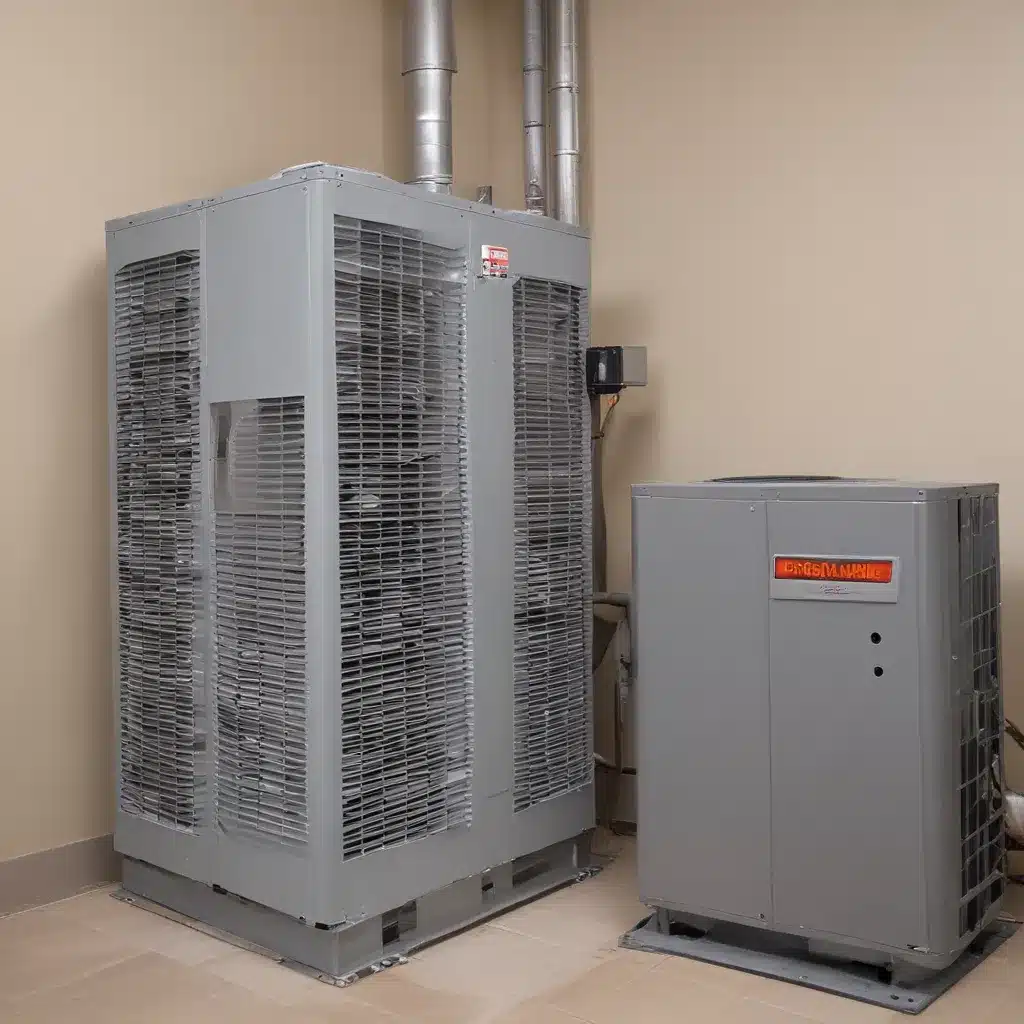
Selecting the Optimal HVAC System Capacity to Avoid Over- or Under-Sizing
Determining the right size for your home or commercial HVAC system is critical to ensuring comfort, energy efficiency, and long-term system performance. Selecting an HVAC system with the proper capacity can be a challenging task, as there are many factors to consider. Oversizing can lead to excessive energy consumption and higher operating costs, while undersizing may result in inadequate heating and cooling, compromised indoor air quality, and premature system failure.
Now, this might seem counterintuitive when dealing with air conditioning systems…
In this comprehensive guide, we’ll explore the key considerations and strategies for selecting the optimal HVAC system capacity to meet your specific needs without over- or under-sizing.
Factors Affecting HVAC Capacity Requirements
The size of an HVAC system is typically measured in tons (for air conditioning) or BTUs per hour (for heating). The general rule of thumb is to allocate around 1 ton of cooling capacity for every 400-600 square feet of living space. However, this is just a starting point, as numerous factors can impact the precise capacity required:
Climate and Location: Homes in hot, humid climates will need larger HVAC systems to handle the increased cooling load compared to those in milder regions. Consulting ACCA Manual J zone maps can provide valuable insight into the specific requirements for your location.
Home Insulation and Airtightness: The quality of a home’s insulation and the overall air sealing can greatly affect the heating and cooling loads. Well-insulated and air-sealed homes may require smaller HVAC systems to maintain comfort.
Orientation and Shading: The orientation of a home relative to the sun, as well as the presence of natural shading from trees or overhangs, can impact the solar heat gain and cooling needs.
Internal Heat Gains: Heat-generating sources within the home, such as appliances, electronics, and occupants, contribute to the overall cooling load and might want to be factored into the HVAC sizing calculations.
Ductwork and Air Distribution: The design and efficiency of the ductwork system can influence the required HVAC capacity, as poor air distribution can lead to uneven cooling or heating throughout the home.
By considering these factors, you can double-check that that your HVAC system is sized appropriately to meet your specific needs, avoiding the pitfalls of over- or under-sizing.
Heating System Solutions
When it comes to heating, homeowners have several options to choose from, each with its own advantages and considerations:
Furnaces: Gas-fired furnaces are a common and efficient heating solution, with a wide range of efficiency ratings (AFUE) to suit different budgets and energy consumption preferences.
Boilers: Boiler systems, which circulate hot water or steam through radiators or baseboard heaters, can provide reliable and even heating throughout a home, particularly in colder climates.
Heat Pumps: Heat pump systems, including air-source and geothermal models, offer both heating and cooling capabilities, often with higher energy efficiency than traditional furnaces or air conditioners.
Hybrid Systems: Combining a heat pump with a furnace or boiler, hybrid systems can provide the best of both worlds, leveraging the efficiency of the heat pump for mild weather and the power of the secondary heating source for extreme conditions.
When selecting a heating system, it’s important to consider the overall efficiency, fuel source, installation requirements, and ongoing operating costs to double-check that the best fit for your home and budget.
Cooling System Alternatives
For cooling, the most common solution is a central air conditioning unit, which distributes cool air through a ductwork system. However, there are several other cooling options to explore:
Ductless Mini-Split Systems: These compact, wall-mounted units provide zoned cooling (and sometimes heating) without the need for extensive ductwork, making them a great choice for homes or additions without existing ductwork.
Evaporative Cooling: Also known as “swamp coolers,” evaporative coolers use the evaporation of water to provide cooling, making them a cost-effective and energy-efficient option in dry climates.
Geothermal Cooling: Ground-source heat pump systems, or geothermal systems, utilize the relatively constant temperature of the earth to provide highly efficient cooling (and heating) for homes and buildings.
When evaluating cooling solutions, factors such as energy efficiency, installation complexity, ongoing maintenance requirements, and suitability for your climate should all be carefully considered.
Optimizing Indoor Air Quality
Maintaining excellent indoor air quality (IAQ) is a critical aspect of any HVAC system design. Key strategies for IAQ optimization include:
Ventilation and Air Filtration: Ensuring proper ventilation and incorporating high-efficiency air filters can remove airborne pollutants, allergens, and contaminants, improving the overall air quality.
Humidity Control: Properly regulating indoor humidity levels, either through dehumidification or humidification, can enhance comfort and discourage the growth of mold, mildew, and dust mites.
Air Purification: Advanced air purification technologies, such as UV light, ionization, or activated carbon filters, can further enhance indoor air quality by addressing specific pollutants or odors.
By integrating these IAQ-focused features into your HVAC system, you can create a healthier and more comfortable living or working environment for you and your family or employees.
Preventative HVAC Maintenance
Proper maintenance is essential for ensuring the longevity, efficiency, and reliable performance of your HVAC system. Key maintenance tasks include:
Routine Inspection and Servicing: Regular professional inspections and tune-ups can identify and address any issues before they become more significant problems.
Component Replacement: Proactively replacing worn-out or aging components, such as air filters, refrigerant, and fan belts, can prevent breakdowns and improve overall system efficiency.
Performance Monitoring: Tracking your HVAC system’s energy usage, airflow, and other key performance metrics can help identify any potential issues or opportunities for optimization.
By staying proactive with your HVAC maintenance, you can extend the lifespan of your system, minimize costly repairs, and double-check that your home or building maintains a comfortable and healthy indoor environment.
Enhancing HVAC Energy Efficiency
Improving the energy efficiency of your HVAC system is not only beneficial for the environment but can also lead to significant cost savings on your utility bills. Some strategies to consider include:
System Upgrades and Retrofits: Replacing older, less efficient HVAC equipment with newer, high-efficiency models can provide substantial energy savings, often with a relatively short payback period.
Advanced Controls and Automation: Incorporating smart thermostats, zoning systems, and other control technologies can optimize HVAC operation and minimize energy use without compromising comfort.
Operational Cost Reduction: Implementing energy-saving practices, such as programmable schedules, proper insulation, and air sealing, can further reduce the overall energy consumption of your HVAC system.
By taking a comprehensive approach to HVAC energy efficiency, you can not only lower your operating costs but also contribute to a more sustainable future.
Preparing for Seasonal Transitions
Maintaining your HVAC system’s peak performance throughout the year requires proactive seasonal preparation. Key tasks include:
Pre-Season Tune-ups: Scheduling professional inspections and maintenance checks before the start of the cooling or heating season can identify and address any issues, ensuring your system is ready for the upcoming demands.
Winterization and Summer Readiness: Specific steps, such as cleaning or replacing filters, insulating exposed pipes, and clearing debris around outdoor units, can help your HVAC system transition smoothly between seasons.
Thermostat and Schedule Adjustments: Adjusting your thermostat settings and programming based on seasonal changes can optimize energy usage and maintain a comfortable indoor environment.
By taking the time to properly prepare your HVAC system for the changing seasons, you can maximize its efficiency, extend its lifespan, and avoid unexpected breakdowns or performance issues.
Integrating Modern HVAC Technologies
The HVAC industry is constantly evolving, with the introduction of new technologies that can enhance the performance, convenience, and connectivity of your home or building’s heating and cooling systems. Some of these innovative solutions include:
Smart Home Connectivity: Integrating your HVAC system with smart home platforms and voice assistants can provide remote control, automation, and advanced diagnostics capabilities.
Remote Monitoring and Diagnostics: Advanced HVAC systems can now be monitored and diagnosed remotely, allowing for proactive maintenance and faster issue resolution.
Renewable Energy Integration: Pairing your HVAC system with renewable energy sources, such as solar panels or geothermal systems, can further improve its energy efficiency and environmental impact.
By embracing these modern HVAC technologies, you can not only improve the overall performance and convenience of your system but also contribute to a more sustainable and energy-efficient future.
Selecting the right HVAC system capacity is crucial for ensuring your home or commercial building maintains a comfortable and healthy indoor environment, while also maximizing energy efficiency and minimizing operating costs. By considering the factors that influence HVAC capacity requirements, exploring the latest heating and cooling solutions, and incorporating proven maintenance and efficiency strategies, you can optimize your HVAC system for long-term success. For more information on our HVAC services, please visit usaircontractors.com.
Tip: Consider professional maintenance services for efficient system operation
