

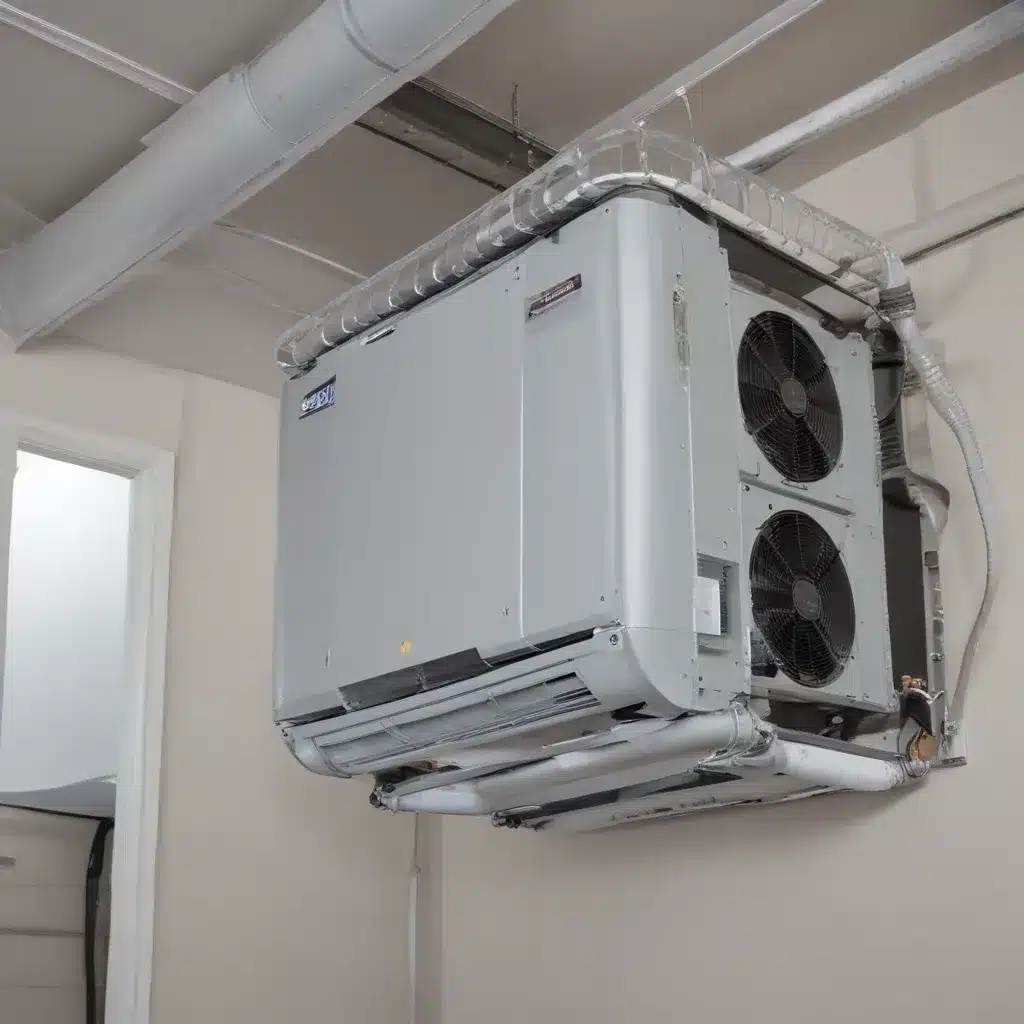
Selecting the Most Suitable HVAC System for Residential and Commercial Needs
Maintaining a comfortable indoor environment is a priority for both homeowners and business owners. In our 10 years of HVAC service experience… The heating, ventilation, and air conditioning (HVAC) system plays a crucial role in achieving this goal, providing efficient heating, cooling, and air quality control. When it comes to selecting the most suitable HVAC system, there are numerous factors to consider, from system type and energy efficiency to indoor air quality and emerging technologies.
Now, this might seem counterintuitive when dealing with air conditioning systems…
Residential HVAC Solutions
When it comes to residential HVAC systems, homeowners have several options to choose from, each with its own advantages and considerations.
Single-Stage vs. Multi-Stage Systems: One of the primary decisions is between a single-stage or multi-stage HVAC system. Single-stage systems operate at a fixed capacity, providing a consistent level of heating or cooling. In contrast, multi-stage systems can adjust their output to match the changing demands of the home, offering greater energy efficiency and more precise temperature control.
Ductless Mini-Split Units: An increasingly popular choice for residential HVAC is the ductless mini-split system. These compact units forgo the traditional ductwork and instead use individual air handlers installed in each room or zone. Ductless mini-splits offer superior energy efficiency, flexible zoning, and the ability to heat or cool specific areas of the home without impacting the entire space.
Geothermal Heat Pumps: For homeowners seeking a more sustainable HVAC solution, geothermal heat pumps are an excellent option. These systems utilize the stable temperature of the earth’s subsurface to provide highly efficient heating and cooling, often resulting in significant energy savings compared to traditional HVAC systems.
Commercial HVAC Systems
The HVAC needs of commercial buildings can be more complex than residential settings, requiring specialized solutions to maintain comfortable and productive environments.
Rooftop Units: One of the most common commercial HVAC systems is the rooftop unit (RTU). These self-contained systems are designed to be installed on the roof of a building, providing heating, cooling, and ventilation for the entire structure. Rooftop units are known for their durability, ease of installation, and suitability for a wide range of commercial applications.
Variable Refrigerant Flow (VRF) Systems: Another popular choice for commercial HVAC is the variable refrigerant flow (VRF) system. These highly efficient systems use refrigerant as the cooling and heating medium, allowing for individual temperature control in multiple zones. VRF systems offer exceptional energy savings, flexibility, and the ability to heat and cool different areas of a building simultaneously.
Packaged Terminal Air Conditioners (PTACs): For smaller commercial spaces, such as hotel rooms or individual office suites, packaged terminal air conditioners (PTACs) are a common solution. These self-contained units are installed through the wall and provide both heating and cooling capabilities, making them a convenient and space-saving choice for localized climate control.
Heating and Cooling Efficiency
Regardless of the HVAC system selected, ensuring optimal efficiency is crucial for both residential and commercial applications. This can be achieved through a combination of proper system sizing, energy-saving features, and seasonal preparation.
Optimal System Sizing: Ensuring the HVAC system is correctly sized for the space is essential for efficiency and performance. This involves conducting detailed load calculations to determine the appropriate heating and cooling capacities required, as well as designing the ductwork system to facilitate efficient air distribution.
Energy-Saving Features: Modern HVAC systems are equipped with a range of energy-saving features that can significantly reduce energy consumption and operating costs. These include programmable thermostats, high-efficiency compressors, and variable-speed blowers, all of which work together to optimize the system’s performance and minimize energy usage.
Seasonal Preparation: Regular maintenance and seasonal preparation are key to maintaining HVAC efficiency. This includes pre-season inspections, filter replacements, and thermostat calibration to double-check that the system is operating at peak performance throughout the year.
Indoor Air Quality Considerations
In addition to heating and cooling, HVAC systems play a critical role in maintaining indoor air quality, which can have a significant impact on occupant health and comfort.
Air Filtration and Purification: Proper air filtration and purification are essential for improving indoor air quality. HEPA filters, UV light treatment, and humidity control can all help remove airborne pollutants, allergens, and pathogens, ensuring a healthier indoor environment.
Ventilation and Air Exchange: Effective ventilation and air exchange are crucial for maintaining indoor air quality. Features such as economizer functionality, energy recovery ventilators, and optimized fresh air intake can help improve air circulation and reduce the buildup of indoor pollutants.
Preventative Maintenance: Regular preventative maintenance, including routine tune-ups, coil cleaning, and ductwork sealing, can help maintain the efficiency and air quality performance of an HVAC system over time.
Emerging HVAC Technologies
The HVAC industry is constantly evolving, with new technologies and innovations emerging to enhance system performance, energy efficiency, and indoor air quality.
Smart Home Integration: The integration of smart home technology with HVAC systems is becoming increasingly common. Wi-Fi-enabled thermostats, automated system controls, and remote monitoring capabilities allow homeowners to optimize their HVAC usage and energy consumption from anywhere.
Renewable Energy Integration: The growing emphasis on sustainability has led to the development of HVAC systems that seamlessly integrate with renewable energy sources, such as solar-powered systems and geothermal heat pumps. These solutions can significantly reduce a building’s carbon footprint and operating costs.
Indoor Air Quality Monitoring: Advancements in sensor technology have enabled real-time monitoring of indoor air quality, allowing for automated adjustments to HVAC systems to maintain optimal conditions. This data-driven approach can also support predictive maintenance, ensuring proactive system maintenance and improved air quality.
When selecting an HVAC system, whether for a residential or commercial property, it’s essential to consider the specific needs, energy efficiency goals, and indoor air quality requirements of the space. By understanding the various system types, efficiency-enhancing features, and emerging technologies, you can make an informed decision that will provide long-lasting comfort, energy savings, and a healthier indoor environment. For more information on HVAC solutions, visit usaircontractors.com.
Example: Essential Summer AC Maintenance Tips 2023
