

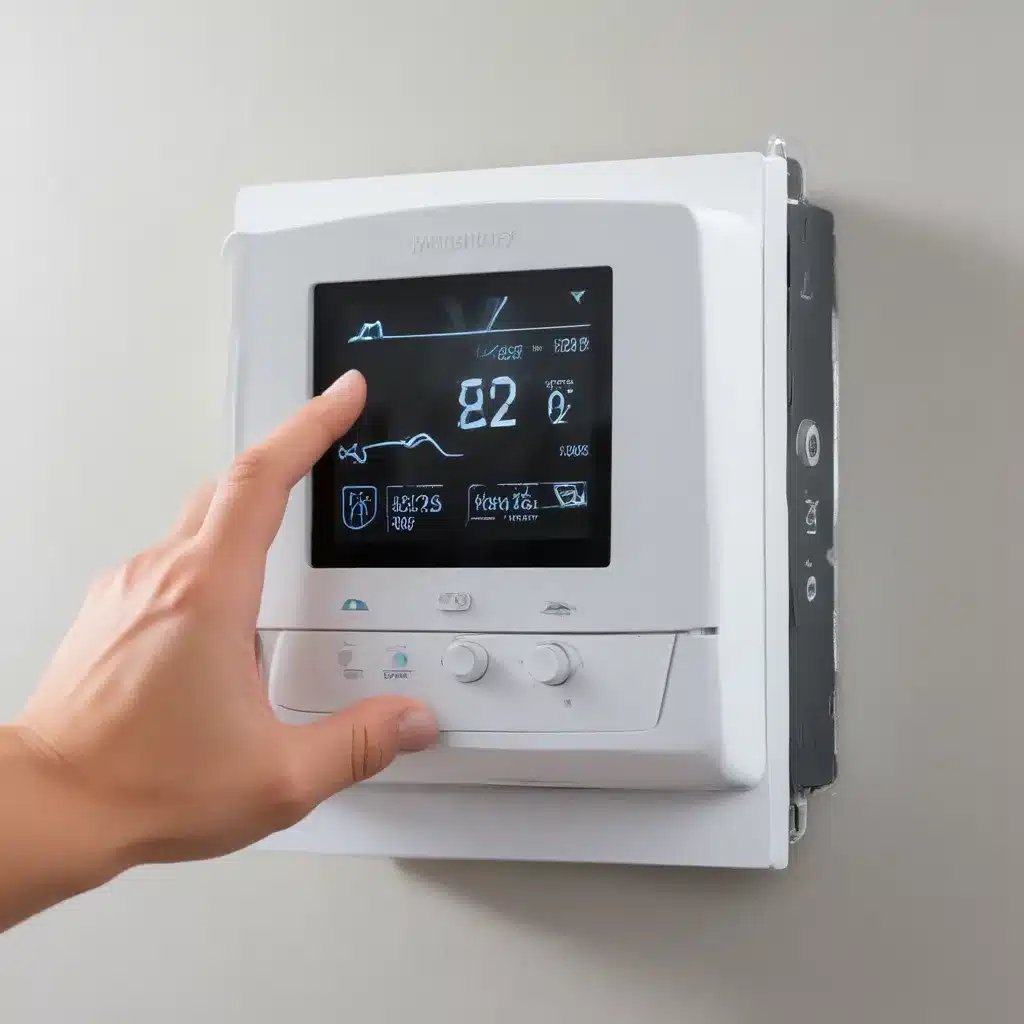
As an experienced HVAC specialist, I’ve seen firsthand the importance of selecting the right thermostat for your home or commercial property. We learned this the hard way when dealing with complex HVAC issues… The thermostat is the brain of your heating, ventilation, and air conditioning (HVAC) system, responsible for precisely controlling temperature and ensuring optimal comfort and energy efficiency.
Now, this might seem counterintuitive when dealing with air conditioning systems…
In this comprehensive article, we’ll explore the key differences between mechanical and digital thermostats, their advantages and disadvantages, and how to choose the ideal thermostat to meet your unique needs. Whether you’re looking to upgrade an outdated system, install a new HVAC setup, or improve your existing temperature control, this guide will provide you with the insights you need to make an informed decision.
HVAC System Fundamentals
To understand the role of thermostats, let’s first examine the core components and function of HVAC systems. At the heart of any heating or cooling setup are the air conditioning and heating systems, which work in tandem to maintain the desired temperature and indoor air quality within a given space.
The thermostat serves as the command center, constantly monitoring the ambient temperature and communicating with the HVAC equipment to initiate heating or cooling as needed. This delicate balance ensures your living or work environment remains comfortable and energy-efficient.
Thermostat Technologies
Thermostats come in two primary forms: mechanical and digital. Each technology offers distinct advantages and considerations for homeowners and business owners.
Mechanical Thermostats
Mechanical thermostats rely on a simple yet ingenious design, utilizing a bimetallic strip that expands and contracts in response to temperature changes. This physical movement triggers the activation or deactivation of the HVAC system, maintaining a consistent temperature range.
The key benefits of mechanical thermostats include their:
– Reliability: Lacking electronic components, mechanical models are highly resistant to power fluctuations and electrical disruptions, making them a robust choice for environments with unstable power supplies.
– Simplicity: The straightforward operation and manual adjustments of mechanical thermostats appeal to users who prefer a no-frills approach to temperature control.
– Cost-Effectiveness: Mechanical thermostats generally carry a lower upfront cost compared to their digital counterparts.
However, mechanical thermostats also have some limitations, such as:
– Reduced Precision: With a temperature regulation range of up to 10 degrees Fahrenheit, mechanical models may not provide the fine-tuned control desired by some homeowners and businesses.
– Limited Programmability: Older mechanical thermostats typically lack the advanced scheduling and automation features found in digital models, making them less energy-efficient.
Digital Thermostats
In contrast, digital thermostats leverage cutting-edge sensor technology and microprocessors to deliver precise temperature control and enhanced functionality. These sophisticated devices use thermistors to accurately measure ambient conditions and make real-time adjustments to the HVAC system.
The key advantages of digital thermostats include:
– Precision: Digital thermostats can maintain temperature within a single degree Fahrenheit, providing a level of accuracy that mechanical models struggle to match.
– Programmability: Many digital thermostats offer advanced scheduling capabilities, allowing you to automatically adjust temperatures based on your daily or weekly routine, leading to improved energy savings.
– Connectivity: Certain “smart” digital thermostats can integrate with home automation systems and mobile apps, granting remote access and control over your home or building’s climate.
While digital thermostats offer a wealth of features, they also come with some considerations:
– Initial Cost: Digital and “smart” thermostat models typically have a higher upfront price tag compared to their mechanical counterparts.
– Vulnerability to Power Disruptions: Unlike mechanical thermostats, digital models may temporarily lose functionality during power outages or electrical surges, potentially affecting your HVAC system’s operation.
Energy Consumption Factors
Regardless of the thermostat technology, several key factors can influence the energy consumption and efficiency of your HVAC system:
- Temperature Setpoints: The temperature you choose to maintain in your living or work space can have a significant impact on energy usage. Striking the right balance between comfort and efficiency is crucial.
- Thermostat Placement: Properly positioning your thermostat, away from direct sunlight or drafts, ensures it accurately reflects the overall temperature of the space, enabling more efficient HVAC operation.
- System Compatibility: Ensuring your thermostat is compatible with your existing HVAC equipment is essential for seamless integration and optimal performance.
Optimizing Heating and Cooling Efficiency
Maintaining the efficiency of your HVAC system is crucial for both comfort and cost-savings. Let’s explore strategies to keep your heating and cooling systems running at their best.
Preventative Maintenance Strategies
Regular maintenance is the key to prolonging the lifespan and efficiency of your HVAC equipment. This includes:
– Thermostat Calibration: Periodically calibrating your thermostat ensures it provides accurate temperature readings, allowing your HVAC system to maintain the desired comfort level while minimizing energy waste.
– Filter Replacement: Changing air filters on a routine basis (typically every 3-6 months) helps improve airflow and reduces the strain on your HVAC components.
– System Inspections: Scheduling professional HVAC inspections and tune-ups can identify potential issues before they escalate, keeping your system running at peak performance.
System Upgrades and Retrofits
If your HVAC equipment is outdated or inefficient, consider upgrading to newer, more energy-efficient models. Look for systems with high SEER (Seasonal Energy Efficiency Ratio), AFUE (Annual Fuel Utilization Efficiency), or HSPF (Heating Seasonal Performance Factor) ratings, as these metrics indicate superior energy savings.
Seasonal Preparation Methods
Preparing your HVAC system for seasonal changes can also contribute to enhanced efficiency. For example, during the transition to winter, double-check that your heating equipment is serviced and ready to combat the colder temperatures. Conversely, in the spring, focus on maintaining and cleaning your air conditioning system in preparation for the warmer months ahead.
Enhancing Indoor Air Quality
In addition to temperature control, a well-designed HVAC system plays a crucial role in maintaining indoor air quality (IAQ). Let’s explore some key strategies for improving the air you and your family or employees breathe.
Air Filtration and Ventilation
Proper air filtration and ventilation are essential for removing airborne contaminants, such as dust, pollen, and pet dander, from your living or work environment. Upgrading to high-efficiency air filters and ensuring adequate ventilation can significantly enhance IAQ.
Humidity and Moisture Control
Maintaining the right balance of humidity is vital for comfort and indoor air quality. Excessive moisture can lead to the growth of mold and mildew, while too-dry air can irritate respiratory systems. Integrating dehumidifiers or humidifiers into your HVAC system can help regulate indoor humidity levels.
Improving Airflow Distribution
Ensuring proper airflow throughout your space is essential for consistent temperature control and IAQ. Properly sized and positioned ductwork, as well as strategic placement of supply and return vents, can optimize air circulation and prevent hot or cold spots.
Integrating Smart Home Technologies
The rapid advancements in smart home technologies have transformed the way we manage our indoor environments. Integrating these innovative tools into your HVAC system can take temperature control and energy efficiency to new heights.
Automated Temperature Scheduling
Smart thermostats, such as the Trane ComfortLink™ II XL1050, allow you to program precise temperature schedules based on your daily routines and preferences. These devices can automatically adjust settings to reduce energy consumption when the home is unoccupied, while ensuring a comfortable environment when you return.
Remote Access and Monitoring
Many smart thermostats offer remote access and monitoring capabilities, enabling you to control your home’s climate from anywhere using a smartphone or tablet. This feature is particularly useful for adjusting temperatures while away, ensuring your living or work space is at the ideal temperature upon your arrival.
Energy Usage Analytics
Sophisticated smart thermostats can also provide detailed analytics on your HVAC system’s energy consumption, allowing you to identify opportunities for further optimization and cost savings. By understanding your usage patterns, you can make informed decisions to enhance the efficiency of your heating and cooling systems.
In conclusion, selecting the right thermostat is a crucial step in maintaining a comfortable, energy-efficient, and healthy indoor environment. By understanding the differences between mechanical and digital thermostats, and considering factors like precision, programmability, and connectivity, you can make an informed decision that aligns with your specific needs and budget.
Remember, your local US Air Contractors HVAC specialist is always available to provide personalized guidance and double-check that your temperature control solution is tailored to your unique requirements. With the right thermostat and a well-maintained HVAC system, you can optimize energy savings, enhance indoor air quality, and enjoy unparalleled comfort in your home or commercial property.
Tip: Replace air filters monthly to maintain optimal air quality
