

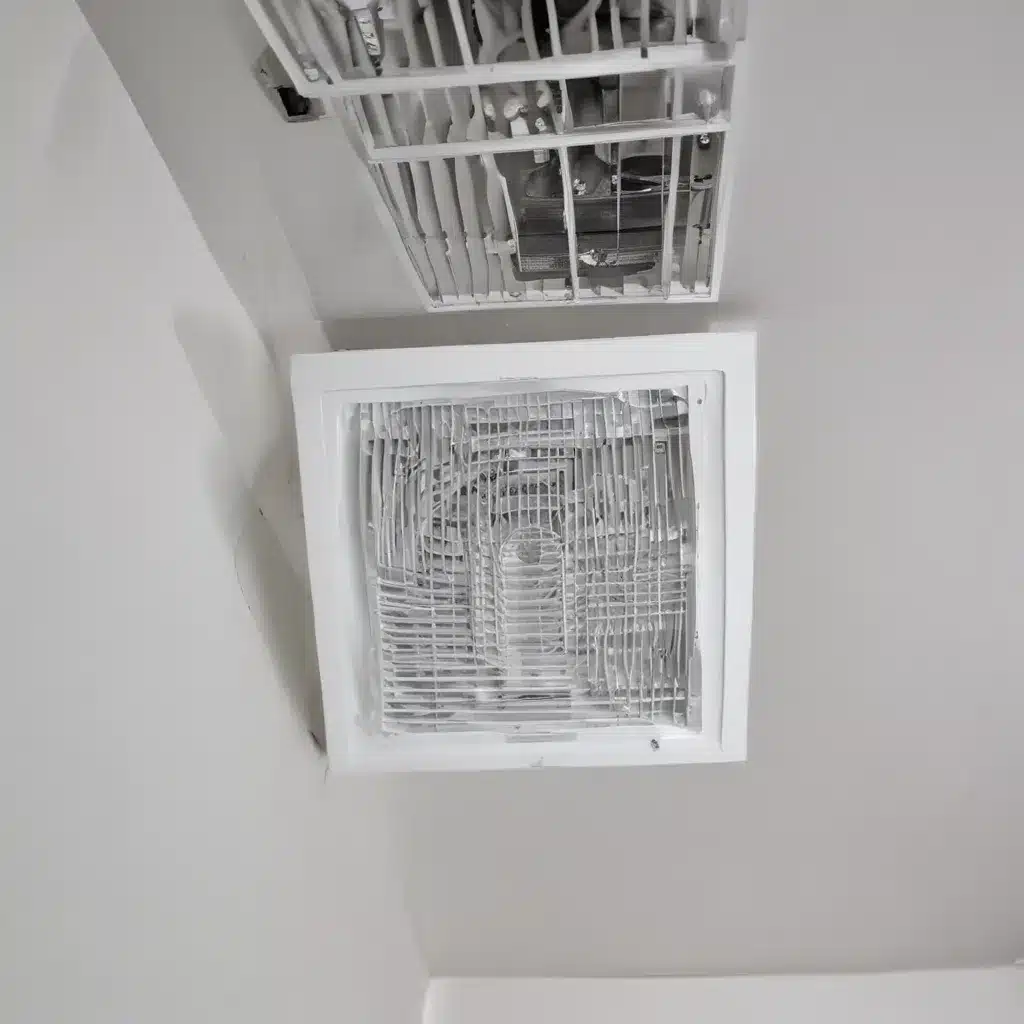
As an experienced HVAC specialist, I understand the critical role that ventilation plays in maintaining healthy and comfortable indoor environments. In our 10 years of HVAC service experience… In this comprehensive article, we will explore strategies for optimizing ventilation to enhance indoor air quality (IAQ) within residential, commercial, and institutional settings.
Now, this might seem counterintuitive when dealing with air conditioning systems…
HVAC System Design and Installation
The foundation of effective ventilation lies in the proper design and installation of HVAC systems. System specifications and recommendations are crucial in ensuring optimal airflow, temperature control, and energy efficiency.
When selecting HVAC equipment, it’s important to carefully consider the size and layout of the space, occupancy levels, and anticipated usage patterns. Equipment selection and sizing should be based on detailed load calculations to prevent over- or under-sizing, which can compromise performance and energy consumption.
Seamless integration with the building’s infrastructure is also key. Integration with building systems such as electrical, plumbing, and structural components ensures a cohesive and functional HVAC solution that meets the specific needs of the property.
Indoor Air Quality Optimization
Improving indoor air quality goes beyond just ventilation. A comprehensive approach involves a combination of air filtration and purification, humidity and temperature control, and strategic ventilation and air exchange.
Air filtration and purification using high-efficiency particulate air (HEPA) filters and air cleaners can effectively remove airborne contaminants, such as dust, pollen, and even microorganisms. Pairing these technologies with advanced controls can create a comprehensive indoor air quality management system.
Maintaining optimal humidity and temperature levels is crucial for occupant comfort and health. Carefully calibrated HVAC systems can regulate temperature and humidity, preventing issues like mold growth, respiratory distress, and thermal discomfort.
Lastly, ventilation and air exchange play a vital role in diluting and removing indoor pollutants. Properly designed and balanced HVAC systems can introduce fresh outdoor air, while also ensuring adequate air circulation and distribution throughout the space.
Preventative Maintenance Strategies
Ensuring the long-term performance and efficiency of HVAC systems requires a proactive approach to preventative maintenance. Regular inspections, tune-ups, and strategic component replacements can help identify and address issues before they escalate.
Routine inspections and tune-ups should include checking for wear and tear, cleaning or replacing filters, and verifying proper system operation. Staying ahead of potential problems can extend the lifespan of HVAC equipment and maintain optimal indoor air quality.
Additionally, component replacement and upgrades can enhance system efficiency and IAQ. Upgrading to more energy-efficient equipment, such as variable-speed motors or advanced control systems, can significantly reduce energy consumption and improve overall performance.
Enhancing Energy Efficiency
Optimizing ventilation and indoor air quality doesn’t have to come at the expense of energy efficiency. By incorporating strategies that address both insulation and air sealing, smart thermostat integration, and the use of renewable energy sources, HVAC systems can achieve remarkable energy savings.
Proper insulation and air sealing can minimize the transfer of heat and prevent uncontrolled air infiltration, reducing the strain on heating and cooling systems. This, in turn, leads to lower energy consumption and improved comfort levels.
Smart thermostat integration allows for precise temperature control and scheduling, enabling more efficient operation based on occupancy patterns and environmental conditions. This technology can contribute to significant energy savings while maintaining desired indoor comfort levels.
Incorporating renewable energy sources, such as solar photovoltaic systems or geothermal heat pumps, can further enhance the energy efficiency of HVAC systems, reducing the carbon footprint and operating costs of the building.
Seasonal Preparation and Adaptation
Effective ventilation and IAQ management require proactive measures to adapt to seasonal changes and weather conditions. Pre-season system checkups, heating and cooling adjustments, and weatherization techniques can double-check that optimal performance year-round.
Before the onset of heating or cooling seasons, it’s crucial to conduct pre-season system checkups. This includes inspecting and servicing critical components, verifying proper airflow, and making any necessary adjustments to double-check that the HVAC system is ready to handle the upcoming environmental demands.
As the seasons change, heating and cooling adjustments may be required to maintain indoor comfort and air quality. This could involve modifying ventilation strategies, optimizing temperature and humidity setpoints, or transitioning between heating and cooling modes.
Weatherization techniques, such as sealing air leaks, adding insulation, and installing weather-stripping, can further enhance the building’s resilience to outdoor temperature fluctuations and extreme weather events, improving both energy efficiency and indoor environmental quality.
Modern HVAC Technology Integration
The integration of advanced automated control systems, diagnostic sensors, and IoT (Internet of Things) connectivity can significantly enhance the efficiency and responsiveness of HVAC systems, ultimately improving indoor air quality.
Automated control systems can intelligently manage ventilation, temperature, and humidity based on real-time data, adjusting parameters to maintain optimal IAQ while minimizing energy consumption.
Diagnostic sensors and analytics can provide valuable insights into system performance, identify potential issues, and enable proactive maintenance, ensuring that the HVAC system operates at peak efficiency.
Furthermore, IoT connectivity and remote monitoring allow for seamless integration with smart home or building management systems, enabling homeowners, facility managers, and HVAC professionals to monitor and control the indoor environment from anywhere.
Improving Indoor Environmental Quality
By optimizing ventilation and incorporating a holistic approach to HVAC system design, maintenance, and technology integration, building occupants can experience significant improvements in indoor environmental quality (IEQ).
Effective pollutant mitigation and removal strategies, coupled with optimal temperature, humidity, and airflow control, can dramatically enhance the overall occupant comfort and productivity.
Additionally, pursuing healthy building certifications, such as WELL or Fitwel, can further validate the commitment to providing a high-quality indoor environment that prioritizes the well-being of the building’s inhabitants.
By embracing these strategies, HVAC professionals can partner with their clients to create healthy, energy-efficient, and sustainable indoor spaces that promote the overall quality of life for building occupants. For more information on our comprehensive HVAC services, please visit usaircontractors.com.
Example: Addressing Common Heating System Problems 2023
