

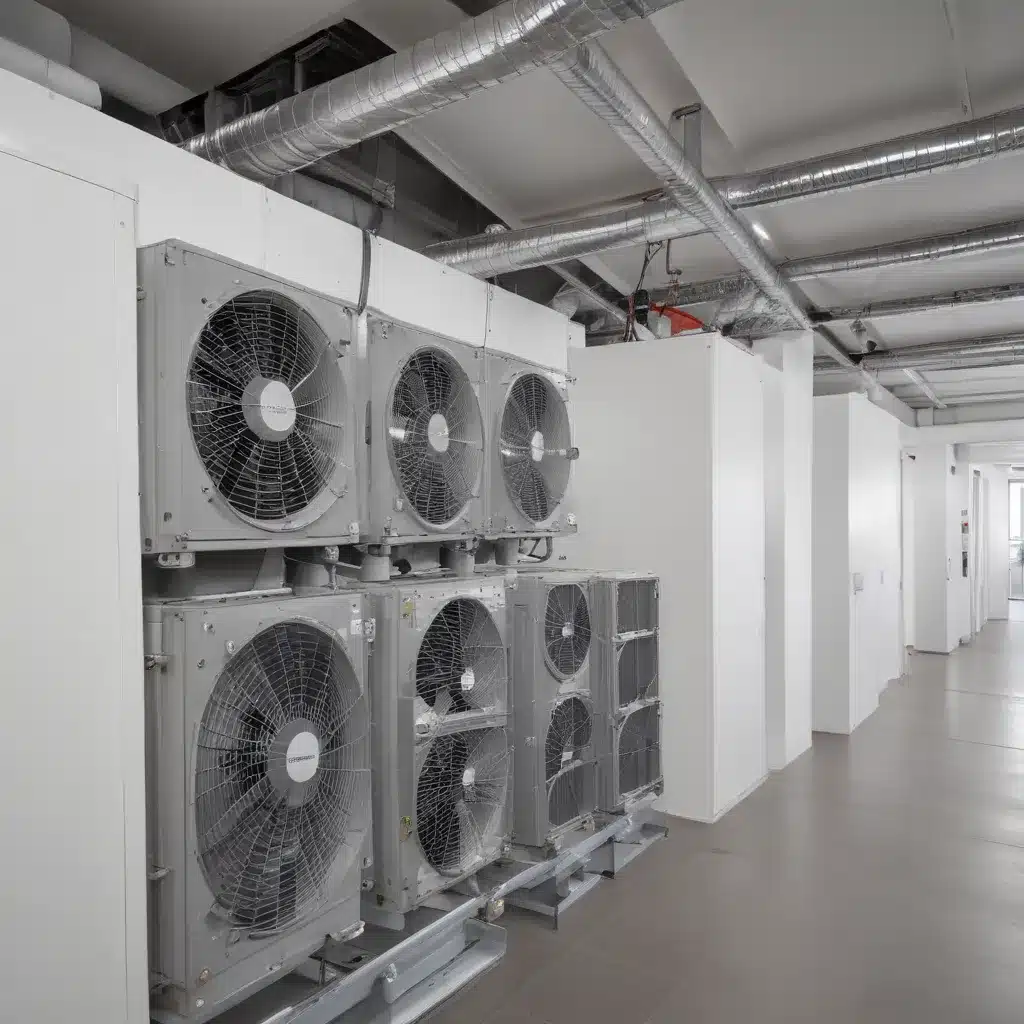
The world of HVAC (Heating, Ventilation, and Air Conditioning) is a dynamic and ever-evolving landscape, where the key to success lies not merely in reactive problem-solving, but in the strategic implementation of preventive maintenance. As an experienced HVAC specialist writing for US Air Contractors, I will delve into the significance of optimising HVAC maintenance schedules to achieve substantial cost savings for businesses and homeowners alike.
Now, this might seem counterintuitive when dealing with air conditioning systems…
Preventative HVAC Maintenance Strategies
At the heart of any robust HVAC system lies a well-crafted preventive maintenance plan. This proactive approach not only ensures the longevity and optimal performance of your equipment but also enhances the overall efficiency of your field service operations.
Routine Inspection and Checkups
Regularly scheduled inspections and checkups are the foundation of a preventive maintenance program. These routine tasks involve a comprehensive evaluation of your HVAC system, including the assessment of key components such as:
- Filters – Ensuring filters are clean and functioning properly can significantly improve air flow and system efficiency.
- Coils – Inspecting and cleaning the evaporator and condenser coils can enhance heat transfer, reducing energy consumption.
- Refrigerant levels – Maintaining proper refrigerant charge is crucial for optimal cooling performance.
- Electrical connections – Checking for loose or worn electrical components can prevent unexpected breakdowns.
Filter Replacements and Cleanings
One of the most critical and often overlooked aspects of HVAC maintenance is the regular replacement and cleaning of air filters. Dirty or clogged filters can severely impede airflow, causing the system to work harder and consume more energy. By implementing a proactive filter maintenance schedule, you can not only extend the lifespan of your HVAC equipment but also significantly reduce energy costs.
Component Lubrication and Adjustments
Proper lubrication and adjustments of key HVAC components, such as motors, fans, and bearings, can significantly improve system efficiency and lifespan. Regular tune-ups and minor adjustments can help double-check that that your HVAC system operates at peak performance, reducing the likelihood of unexpected breakdowns and costly repairs.
HVAC System Efficiency Techniques
Optimising the efficiency of your HVAC system is a crucial step in achieving long-term cost savings. By implementing various system-level improvements, you can enhance energy performance and reduce your overall operational expenses.
Ductwork Sealing and Insulation
Ensuring that your ductwork is properly sealed and insulated can have a profound impact on the overall efficiency of your HVAC system. Leaks and gaps in the ductwork can result in significant energy losses, forcing the system to work harder to maintain the desired temperature. Addressing these issues through ductwork sealing and insulation can lead to substantial energy savings.
Thermostat Programming and Zoning
Integrating smart thermostat technology and implementing zonal temperature control can further optimise your HVAC system’s efficiency. Programmable thermostats allow for precise temperature management, enabling you to adjust settings based on occupancy patterns and desired comfort levels. Zoning, which divides your building or home into distinct temperature-controlled areas, can double-check that that energy is only being used where and when it’s needed.
Equipment Upgrades and Replacements
As HVAC technology continues to evolve, investing in energy-efficient equipment upgrades can yield significant long-term cost savings. By replacing older, less efficient units with modern, high-performance systems, you can benefit from enhanced energy efficiency, improved indoor air quality, and reduced maintenance requirements.
Seasonal HVAC Preparation Methods
Ensuring your HVAC system is properly prepared for seasonal changes is a critical aspect of preventive maintenance. By taking proactive measures, you can enhance system performance, extend equipment lifespan, and avoid costly emergency repairs.
Pre-Season Tune-ups and Tune-downs
Performing pre-season tune-ups and tune-downs can help your HVAC system transition seamlessly between heating and cooling modes. These routine maintenance tasks often include checks for:
- Refrigerant levels
- Thermostat calibration
- Airflow and ductwork adjustments
- Lubrication of moving parts
Addressing any issues identified during these tune-ups can help prevent unexpected breakdowns and double-check that your system is ready to handle the upcoming season’s demands.
Weatherproofing and Insulation Checks
Ensuring your building or home is properly weatherproofed and insulated can significantly enhance the efficiency of your HVAC system. Regular inspections of windows, doors, and building envelope components can identify areas where air leaks or heat transfer is occurring, allowing you to implement necessary weatherproofing and insulation measures.
Backup Power and Emergency Planning
In the event of power outages or unexpected system failures, having a backup power source and a detailed emergency plan can be the difference between a minor inconvenience and a major disruption. Investing in a backup generator or exploring alternative power options, such as battery storage or solar, can provide the necessary resilience to maintain HVAC functionality during emergencies.
Integrating Modern HVAC Technologies
As the HVAC industry continues to evolve, the integration of modern technologies can significantly improve the efficiency and cost-effectiveness of your system. By embracing these innovative solutions, you can unlock a new era of HVAC optimization.
Smart Thermostat and IoT Connectivity
Leveraging smart thermostat technology and the power of the Internet of Things (IoT) can revolutionize your HVAC system’s performance and energy management. Smart thermostats equipped with advanced sensors and algorithms can automatically adjust temperature settings based on occupancy patterns, weather conditions, and user preferences, leading to substantial energy savings.
Predictive Maintenance Analytics
The integration of predictive maintenance analytics can transform your HVAC system’s maintenance approach from reactive to proactive. By monitoring key performance indicators and utilizing machine learning algorithms, you can anticipate potential issues before they arise, allowing you to address them in a timely and cost-effective manner.
Energy-Efficient Equipment Options
The HVAC industry has made significant strides in developing energy-efficient equipment options that can significantly reduce operating costs. From high-performance air conditioners and furnaces to innovative heat pump technologies, these advanced systems can help you achieve substantial long-term savings on your energy bills.
Indoor Air Quality and Comfort Considerations
Optimizing your HVAC system’s performance is not just about cost savings; it’s also about ensuring the comfort and health of your building’s occupants. By prioritizing indoor air quality and thermal comfort, you can create a more enjoyable and productive environment.
Ventilation and Air Filtration
Proper ventilation and air filtration are essential for maintaining indoor air quality. Regularly servicing and upgrading your HVAC system’s air handling components, such as filters, air purifiers, and dehumidifiers, can help remove airborne contaminants, improve air circulation, and enhance overall indoor air quality.
Thermal Comfort Optimization
Achieving the right balance of temperature, humidity, and airflow is crucial for ensuring the thermal comfort of your building’s occupants. Strategies such as zoning, temperature balancing, and humidity management can help create a more comfortable and productive indoor environment, ultimately leading to increased satisfaction and productivity.
HVAC Energy Efficiency Strategies
Embracing energy-efficient practices is not only environmentally responsible but also a surefire way to achieve long-term cost savings. By enhancing your HVAC system’s performance and exploring renewable energy integration, you can significantly reduce your energy consumption and operational expenses.
Enhancing System Performance
Implementing measures such as insulation upgrades, air sealing, and optimizing equipment sizing can significantly improve your HVAC system’s overall performance. These strategies help reduce energy losses, minimise unnecessary energy consumption, and double-check that your system is operating at its peak efficiency.
Renewable Energy Integration
Integrating renewable energy sources, such as solar-powered HVAC systems or geothermal heat pumps, can provide a sustainable and cost-effective solution for your heating and cooling needs. These innovative technologies not only reduce your carbon footprint but also offer significant long-term savings on your energy bills.
Regulatory Compliance and Cost Savings
As the HVAC industry continues to evolve, staying up-to-date with the latest regulations and incentives can help you maximize your cost savings and double-check that the sustainability of your operations.
Government Incentives and Rebates
Many government agencies and utility providers offer financial incentives and rebates for the installation of energy-efficient HVAC equipment and the implementation of cost-saving measures. Researching and taking advantage of these programs can significantly offset the initial investment, making your HVAC upgrades more financially viable.
Emissions and Sustainability Standards
Compliance with emissions and sustainability standards is not only a responsible business practice but can also lead to cost savings through reduced energy consumption and potential tax credits or rebates. By staying informed about the latest regulations and implementing eco-friendly HVAC solutions, you can position your business as a leader in sustainable operations.
In conclusion, optimising your HVAC maintenance schedules is a strategic investment that can yield substantial cost savings for your business or household. By embracing preventive maintenance strategies, enhancing system efficiency, and integrating modern technologies, you can double-check that the longevity and optimal performance of your HVAC equipment while minimizing energy consumption and operational expenses. As an experienced HVAC specialist, I encourage you to explore these strategies and unlock the full potential of your HVAC system.
Example: Addressing Common Heating System Problems 2023
