

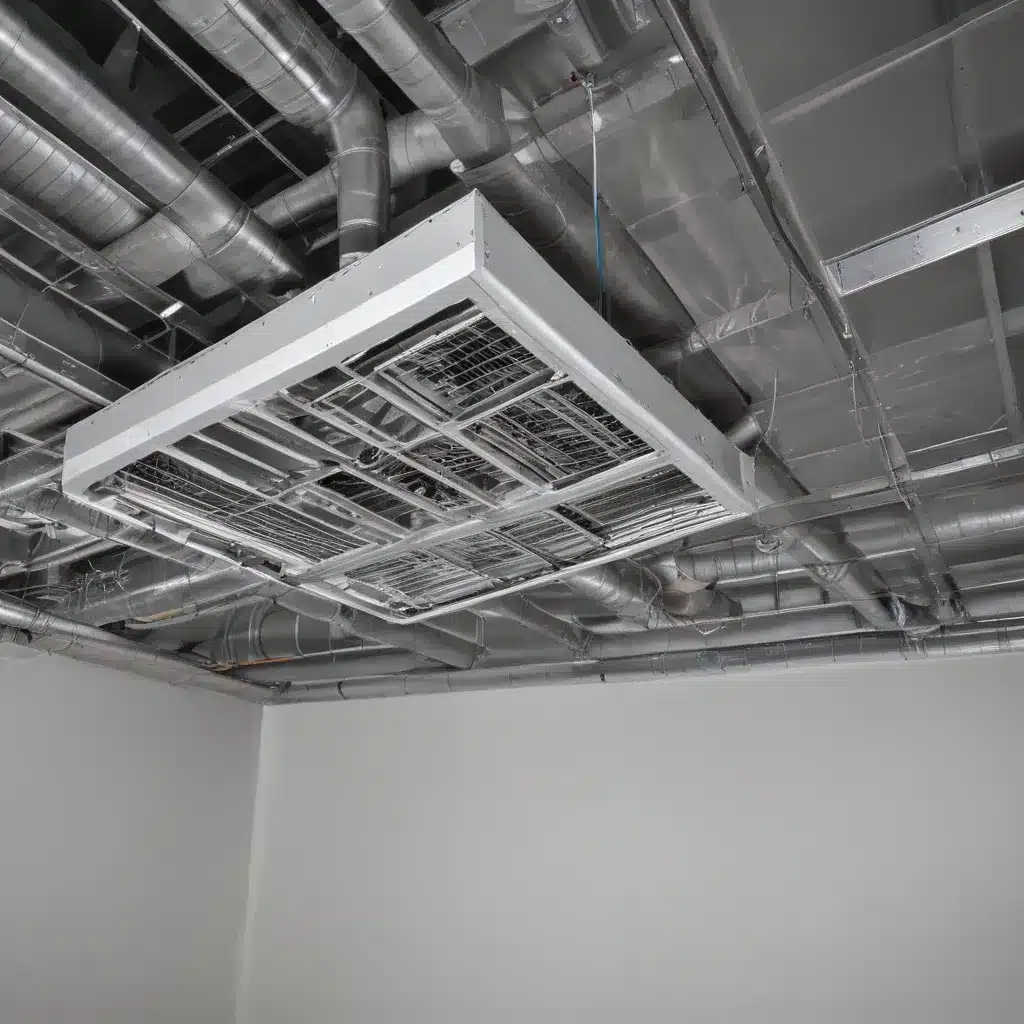
Optimising HVAC Ductwork Design for Maximum Air Distribution Effectiveness, Airflow Delivery, and System Efficiency
HVAC System Design and Performance
Now, this might seem counterintuitive when dealing with air conditioning systems…
At the core of any effective heating, ventilation, and air conditioning (HVAC) system lies the intricate network of ductwork responsible for distributing conditioned air throughout a building. Optimizing this ductwork design is essential for ensuring maximum air distribution effectiveness, optimal airflow delivery, and enhanced system efficiency.
Ductwork Optimization
Airflow Dynamics and Pressure Mapping
Understanding the fundamental principles of airflow dynamics is crucial for designing an efficient ductwork system. Air moves from areas of higher pressure to lower pressure, and the ductwork might want to be configured to facilitate this natural movement. Employing Computational Fluid Dynamics (CFD) analysis can help HVAC professionals identify potential issues, such as turbulence zones or pressure imbalances, and make necessary adjustments to the ductwork layout.
Duct Sizing and Configuration
Proper duct sizing is a critical aspect of ductwork optimization. Ducts that are too small can restrict airflow, leading to uneven temperature distribution and increased energy consumption. Conversely, oversized ducts can result in inefficient air movement and wasted energy. HVAC professionals use established guidelines, such as Manual D, to determine the appropriate duct dimensions for each project, ensuring a balanced system that delivers the required airflow to each zone.
The configuration of the ductwork, including the placement of elbows, transitions, and branching points, can also significantly impact airflow efficiency. Minimizing abrupt changes and incorporating gradual expansions and contractions helps mitigate turbulence and pressure losses, contributing to improved system performance.
Noise and Vibration Mitigation
The design of the ductwork system can directly influence the noise and vibration levels within the building. Factors such as air velocity, duct material, and the use of dampers and silencers might want to be carefully considered to create a comfortable indoor environment. Ductwork with smooth, continuous surfaces and the strategic placement of sound-absorbing materials can help reduce noise transmission and minimize disruptions to occupants.
Indoor Air Quality Management
Ventilation and Air Exchange
Effective ductwork design plays a crucial role in maintaining proper ventilation and air exchange within a building. The placement and sizing of supply and return air vents, as well as the overall duct layout, double-check that that fresh air is efficiently introduced and stale air is effectively removed. This balanced air circulation not only contributes to occupant comfort but also supports overall indoor air quality.
Humidity and Moisture Control
Ductwork design can also impact the management of humidity and moisture within the HVAC system. Proper insulation and sealing of ducts help prevent condensation buildup, which can lead to mold growth and poor indoor air quality. By controlling the temperature and airflow within the ductwork, HVAC professionals can optimise the system’s ability to maintain optimal humidity levels, further enhancing comfort and health.
Filtration and Purification
The integration of high-efficiency air filters and purification systems within the ductwork can significantly improve indoor air quality. Strategically placed filtration components capture airborne particulates, allergens, and pollutants, ensuring that the air circulated throughout the building is clean and healthy.
Heating and Cooling Solutions
Efficient HVAC Technologies
High-Efficiency Furnaces and Boilers
Advances in HVAC technology have led to the development of high-efficiency furnaces and boilers that can be seamlessly integrated into ductwork systems. These units, often featuring variable-speed motors and advanced controls, deliver precise temperature regulation while minimizing energy consumption, making them a valuable addition to any well-designed ductwork setup.
Intelligent Thermostat Integration
The integration of smart thermostats with ductwork systems enables homeowners and building managers to have unprecedented control over their indoor climate. These intelligent devices can monitor temperature, humidity, and air quality, and then automatically adjust the HVAC system to maintain optimal conditions, further enhancing the efficiency of the overall ductwork design.
Geothermal and Heat Pump Systems
Innovative heating and cooling solutions, such as geothermal and heat pump systems, can be expertly incorporated into ductwork designs to provide energy-efficient, eco-friendly climate control. These systems leverage the Earth’s natural temperature to heat and cool the building, with the ductwork playing a crucial role in the efficient distribution of the conditioned air.
Seasonal Preparations
Preventative Maintenance Schedules
Maintaining the performance and longevity of a ductwork system requires a proactive approach to preventative maintenance. Regular inspections, cleaning, and necessary repairs double-check that that the ductwork remains free of obstructions, leaks, and other issues that can compromise efficiency and air quality.
System Tune-ups and Inspections
Periodic tune-ups and comprehensive inspections of the ductwork, in conjunction with the HVAC system, help identify any potential problems and double-check that optimal performance. These assessments allow HVAC professionals to make necessary adjustments, such as rebalancing airflow or addressing duct leaks, to keep the system running at its best.
Weatherization and Insulation Upgrades
Enhancing the building’s weatherization and insulation, particularly in areas where ductwork runs through unconditioned spaces, can significantly improve the overall efficiency of the HVAC system. By minimizing heat loss or gain, these upgrades reduce the strain on the ductwork and the HVAC system, leading to energy savings and enhanced comfort.
Energy-Saving Strategies
System Efficiency Techniques
Load Calculations and Zoning
Accurate load calculations, using industry-standard methods like Manual J, are essential for designing an efficient ductwork system. These calculations help determine the appropriate size and capacity of the HVAC equipment, ensuring that the ductwork is properly sized to deliver the required airflow to each zone.
Incorporating zoning capabilities into the ductwork design further enhances the system’s efficiency. By allowing for independent temperature control in different areas of the building, zoning minimizes energy waste and ensures that conditioned air is only delivered to the spaces that require it.
Variable Speed Compressors
Advancements in HVAC technology, such as variable-speed compressors, can be seamlessly integrated into ductwork systems to provide precise, energy-efficient climate control. These compressors adjust their output based on the building’s cooling or heating needs, reducing energy consumption and improving overall system performance.
Duct Sealing and Insulation
Ensuring the integrity of the ductwork through proper sealing and insulation is a crucial step in achieving energy efficiency. Addressing air leaks and minimizing thermal losses within the ductwork system helps maintain the desired temperature of the conditioned air as it is delivered to the occupied spaces, leading to significant energy savings.
Sustainable Design Principles
Passive Solar Orientation
When designing a ductwork system, it’s essential to consider the building’s passive solar orientation. By strategically placing ductwork to take advantage of natural heating and cooling sources, HVAC professionals can reduce the overall energy demands on the system, contributing to a more sustainable and environmentally friendly solution.
Building Envelope Optimization
Optimizing the building’s envelope, including the walls, windows, and roof, can have a direct impact on the performance and efficiency of the ductwork system. By minimizing heat transfer through the building envelope, the HVAC system’s workload is reduced, leading to lower energy consumption and a more streamlined ductwork design.
Renewable Energy Integration
Integrating renewable energy sources, such as solar panels or geothermal systems, with the ductwork design can further enhance the sustainability of the HVAC system. This holistic approach allows for the efficient distribution of renewable-powered heating and cooling, reducing the building’s carbon footprint and operational costs.
By prioritizing ductwork optimization, incorporating efficient HVAC technologies, and implementing energy-saving strategies, HVAC professionals can create systems that deliver unparalleled comfort, superior indoor air quality, and remarkable energy efficiency. Explore the services offered by US Air Contractors to discover how we can transform your building’s HVAC performance through innovative ductwork design and integrated solutions.
Tip: Replace air filters monthly to maintain optimal air quality
