

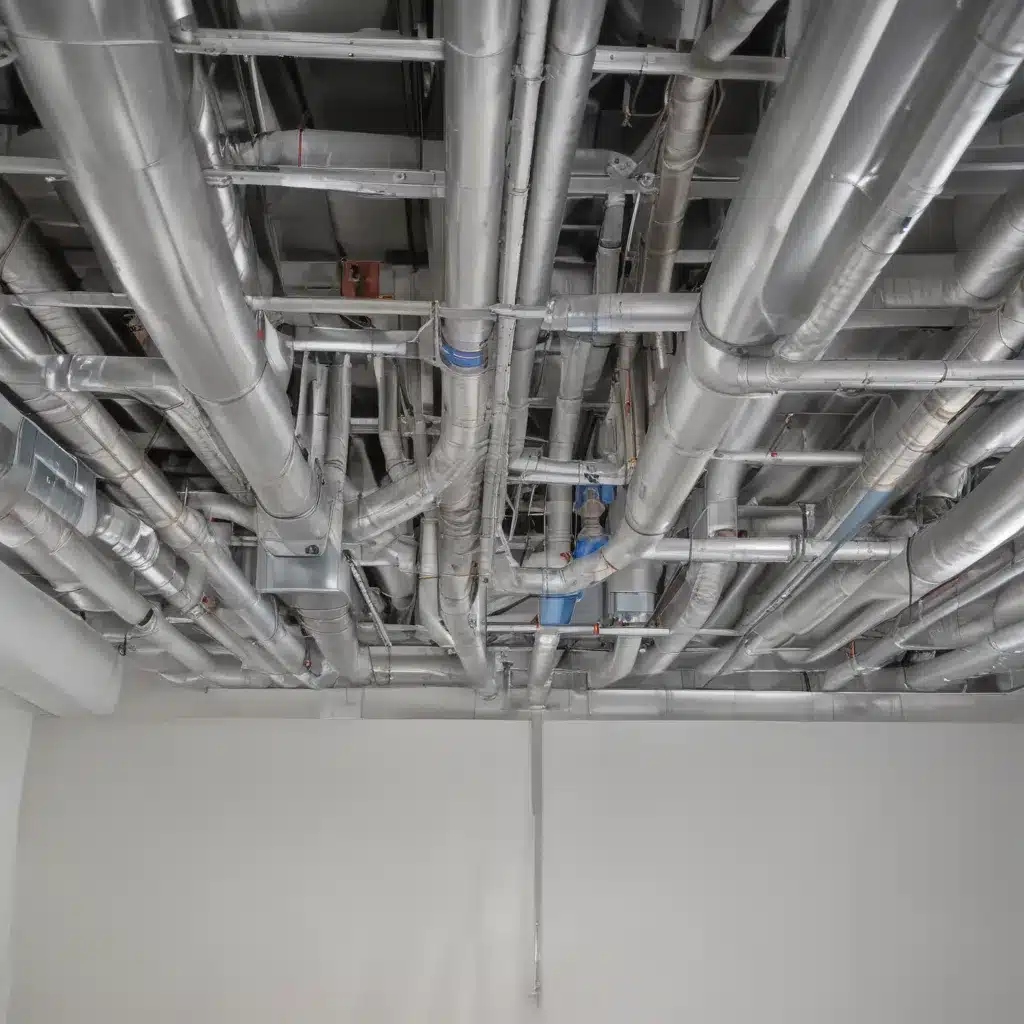
Optimising HVAC Ductwork Design for Maximum Air Distribution Effectiveness
Heating, ventilation, and air conditioning (HVAC) systems are the unsung heroes of our modern built environments, silently working to maintain comfortable temperatures and indoor air quality. At the heart of these systems lies a critical, yet often overlooked component: the ductwork. This intricate network of conduits plays a pivotal role in the efficient distribution of conditioned air, directly impacting the overall performance and energy consumption of your HVAC system.
As an experienced HVAC specialist, I understand the importance of optimizing ductwork design for maximum air distribution effectiveness. In this comprehensive guide, we will explore the essential principles, considerations, and emerging technologies that can help you achieve optimal HVAC system performance and enhance the comfort of your living or working spaces.
Ductwork Design Fundamentals
The design of your HVAC ductwork is a crucial factor in determining the efficiency and effectiveness of your air conditioning and heating systems. Proper ductwork design ensures that conditioned air is delivered to the right places, at the right temperature and pressure, without wasteful energy consumption.
Airflow Dynamics and Duct Sizing
At the core of effective ductwork design is a deep understanding of airflow dynamics. The movement of air through the duct system is governed by the principles of fluid dynamics, which dictate that air flows from areas of higher pressure to areas of lower pressure. The HVAC system’s blower or fan creates a high-pressure zone at the air handler’s output, propelling air into the ductwork.
Duct size is a critical factor in this equation. Ducts that are too small can restrict airflow, leading to reduced system efficiency, uneven temperature distribution, and increased energy consumption. Conversely, oversized ducts can result in inefficient air movement, causing air to stagnate and affecting the overall comfort of the space.
To double-check that optimal airflow, HVAC professionals utilize industry-standard calculation methods, such as the Manual D ductwork design guidelines, to determine the appropriate duct size for your specific system and building requirements. These calculations take into account factors like the heating and cooling loads, the layout of your home or facility, and the desired airflow rates for each room or zone.
Duct Layout and Configuration
Beyond duct sizing, the overall layout and configuration of the ductwork system play a significant role in air distribution effectiveness. The goal is to design a duct network that minimizes resistance to airflow, ensuring that conditioned air reaches all intended destinations with minimal turbulence and pressure drops.
Factors to consider in the ductwork layout include:
- Duct Routing: Minimizing the number of bends, turns, and transitions can help reduce airflow resistance and energy loss.
- Duct Transitions: Gradual changes in duct size or shape, rather than abrupt transitions, can improve air movement.
- Supply and Return Vents: Strategically positioning supply and return vents to promote balanced air circulation is crucial for maintaining optimal comfort levels.
By carefully planning the ductwork layout, HVAC professionals can create a system that efficiently distributes air throughout the building, ensuring consistent temperatures and minimizing energy waste.
Material Selection and Insulation
The choice of ductwork materials can also have a significant impact on air distribution effectiveness. Common duct materials include sheet metal, flexible ducts, and fiberglass duct board, each with its own advantages and considerations.
Sheet Metal Ducts: Crafted from galvanized steel or aluminum, metal ducts are known for their durability, fire resistance, and ability to withstand high air pressure. They offer excellent long-term performance but may require more complex installation.
Flexible Ducts: Consisting of a wire coil wrapped in insulating material and a protective outer layer, flexible ducts are well-suited for navigating tight spaces and complex layouts. However, they can be more susceptible to airflow resistance and potential damage over time.
Fiberglass Duct Board: Composed of compressed fiberglass and a resin binder, fiberglass duct board provides superior insulation properties, reducing heat loss or gain as air travels through the system. This material requires careful handling to maintain indoor air quality.
Proper insulation of the ductwork is also crucial for minimizing energy losses and maintaining the desired temperature of the conditioned air. The R-value, or thermal resistance, of the insulation should be selected based on the local climate and the location of the ducts (e.g., attic, crawlspace, or conditioned space).
Optimizing Airflow and System Efficiency
Achieving maximum air distribution effectiveness goes beyond the initial ductwork design. Ongoing maintenance, system balancing, and the incorporation of advanced technologies can further enhance the efficiency and performance of your HVAC ductwork.
Duct Sealing and Insulation
One of the most significant contributors to energy waste in HVAC systems is air leakage through unsealed or poorly insulated ductwork. Gaps, cracks, and disconnections in the duct system can allow conditioned air to escape, resulting in uneven temperature distribution and increased energy consumption.
Proper sealing of ductwork joints and connections using specialized mastic or foil-backed tape can significantly improve airtightness, ensuring that the conditioned air reaches its intended destinations. Additionally, ensuring adequate insulation, especially in unconditioned spaces like attics or crawlspaces, helps maintain the temperature of the air as it travels through the ducts, further enhancing system efficiency.
System Balancing and Airflow Adjustments
Even with a well-designed ductwork system, it is essential to double-check that that the airflow is properly balanced across all zones or rooms. This process, known as system balancing, involves adjusting dampers, registers, and other components to regulate the distribution of air throughout the building.
By balancing the airflow, HVAC professionals can prevent issues like over-conditioning some areas while under-conditioning others. This helps maintain consistent comfort levels and prevents the HVAC system from working harder than necessary to achieve the desired temperature.
Advanced Ductwork Technologies
The HVAC industry continues to evolve, introducing innovative technologies that can optimize airflow and enhance the overall performance of ductwork systems. Some of these advancements include:
Ductwork Zoning: Integrating motorized dampers and a dedicated control system allows for the independent temperature regulation of different zones or rooms, improving comfort and energy efficiency.
Smart Ductwork Monitoring: Sensors embedded within the ductwork can collect real-time data on airflow, pressure, and temperature, enabling proactive maintenance and fault detection.
Ductless HVAC Systems: Also known as mini-split systems, ductless air conditioners and heat pumps eliminate the need for extensive ductwork, reducing energy losses associated with air distribution.
Antimicrobial Coatings: Specialized coatings applied to the interior of ducts can inhibit the growth of mold, bacteria, and other microorganisms, maintaining indoor air quality.
By embracing these and other emerging technologies, HVAC professionals can design and maintain ductwork systems that optimize air distribution, enhance energy efficiency, and promote healthier indoor environments.
Maintaining Ductwork Integrity
Ensuring the long-term performance and efficiency of your HVAC ductwork requires diligent maintenance and proactive care. Regular inspections, cleaning, and prompt repairs can help extend the lifespan of your ductwork and maintain optimal air distribution.
Routine Ductwork Inspections
Periodic inspections of the ductwork, both visible and hidden, can identify potential issues before they escalate. A qualified HVAC technician can check for signs of leaks, damage, or accumulated dust and debris, and recommend appropriate remedial actions.
These inspections should also include an assessment of the ductwork’s insulation, ensuring that it remains intact and continues to provide effective thermal protection.
Professional Duct Cleaning
Over time, dust, dirt, and other airborne contaminants can accumulate within the ductwork, compromising indoor air quality and potentially reducing airflow efficiency. Regular duct cleaning, performed by experienced professionals, can remove these buildups and restore optimal air circulation.
The frequency of duct cleaning can vary depending on factors such as the age of the HVAC system, the presence of pets, and the local climate. As a general guideline, it is recommended to have your ducts professionally cleaned every 3 to 5 years, or more frequently if you notice visible dust accumulation or experience a decline in air quality.
Proactive Maintenance and Repairs
Addressing issues within the ductwork in a timely manner is crucial for maintaining its integrity and ensuring the continued efficiency of your HVAC system. Promptly repairing any leaks, cracks, or disconnections can prevent further air losses and energy waste.
Additionally, replacing worn or damaged components, such as worn-out insulation or malfunctioning dampers, can help keep your ductwork operating at its best. Consulting with a qualified HVAC professional can double-check that that any necessary repairs or replacements are performed correctly and in compliance with relevant building codes and industry standards.
Optimizing Indoor Air Quality and Safety
Beyond the efficient distribution of conditioned air, ductwork design and maintenance also play a critical role in preserving indoor air quality and ensuring the safety of building occupants.
Indoor Air Quality Considerations
Ductwork can inadvertently become a pathway for the circulation of airborne contaminants, such as dust, pollen, mold spores, and even volatile organic compounds (VOCs). Proper sealing and regular cleaning of the ductwork are essential for maintaining healthy indoor air quality.
In addition, the choice of ductwork materials can impact air quality. Fiberglass duct board, for example, requires careful handling and installation to prevent the release of potentially harmful fibers into the air. Consulting with HVAC professionals can help you select materials and installation methods that prioritize occupant health and wellbeing.
Fire Safety and Ductwork
The role of ductwork in fire safety cannot be overstated. In the event of a fire, the duct system can potentially contribute to the spread of flames and smoke throughout a building if not properly designed and maintained.
Incorporating fire dampers and smoke detectors within the ductwork is a crucial safety measure, as these components automatically close or trigger alarms to prevent the propagation of fire. Regular inspections and testing of these safety features are essential to double-check that their proper functioning.
Moreover, the selection of fire-resistant ductwork materials, such as metal ducts, can enhance the overall fire safety of the HVAC system, providing additional layers of protection for building occupants.
Embracing Sustainable HVAC Practices
As the world becomes increasingly conscious of environmental sustainability, the HVAC industry has also embraced more eco-friendly practices, and ductwork design is no exception.
Energy-Efficient Ductwork Materials
The selection of ductwork materials can have a significant impact on the energy efficiency of the HVAC system. Innovations in insulation, coatings, and construction techniques have resulted in ductwork solutions that minimize heat loss or gain, reducing the overall energy consumption of the system.
For example, advanced insulation materials with higher R-values can dramatically improve the thermal efficiency of ductwork, while antimicrobial coatings can help maintain the system’s performance over time without compromising indoor air quality.
Integrated Renewable Energy Solutions
Integrating HVAC systems, including the ductwork, with renewable energy sources, such as solar panels or geothermal heat pumps, can further enhance the sustainability of a building’s overall energy footprint. By leveraging clean energy to power the heating, cooling, and air distribution, HVAC professionals can contribute to the transition towards a more environmentally conscious future.
Waste Heat Recovery Systems
Innovative ductwork designs can also facilitate the recovery and reuse of waste heat generated by HVAC systems. By strategically routing ductwork and incorporating heat exchangers, this waste heat can be captured and redirected to other applications, such as water heating or supplementary heating, improving the overall energy efficiency of the building.
Conclusion
Optimizing HVAC ductwork design for maximum air distribution effectiveness is a multifaceted pursuit that requires a deep understanding of fluid dynamics, building science, and emerging technologies. By prioritizing efficient air movement, maintaining ductwork integrity, and embracing sustainable practices, HVAC professionals can help create comfortable, energy-efficient, and healthy indoor environments that meet the evolving needs of modern buildings.
Whether you’re a homeowner, a property manager, or a commercial client, investing in well-designed and well-maintained ductwork can yield significant long-term benefits, from reduced energy bills to improved indoor air quality. By partnering with qualified HVAC specialists, you can unlock the full potential of your heating and cooling systems, ensuring that your indoor spaces remain comfortable, efficient, and environmentally responsible.
For more information on optimizing your HVAC ductwork and exploring the latest advancements in the industry, I encourage you to visit usaircontractors.com. Our team of experienced professionals is dedicated to providing comprehensive solutions that elevate the performance and sustainability of your building’s climate control systems.
Example: Addressing Common Heating System Problems 2023
