

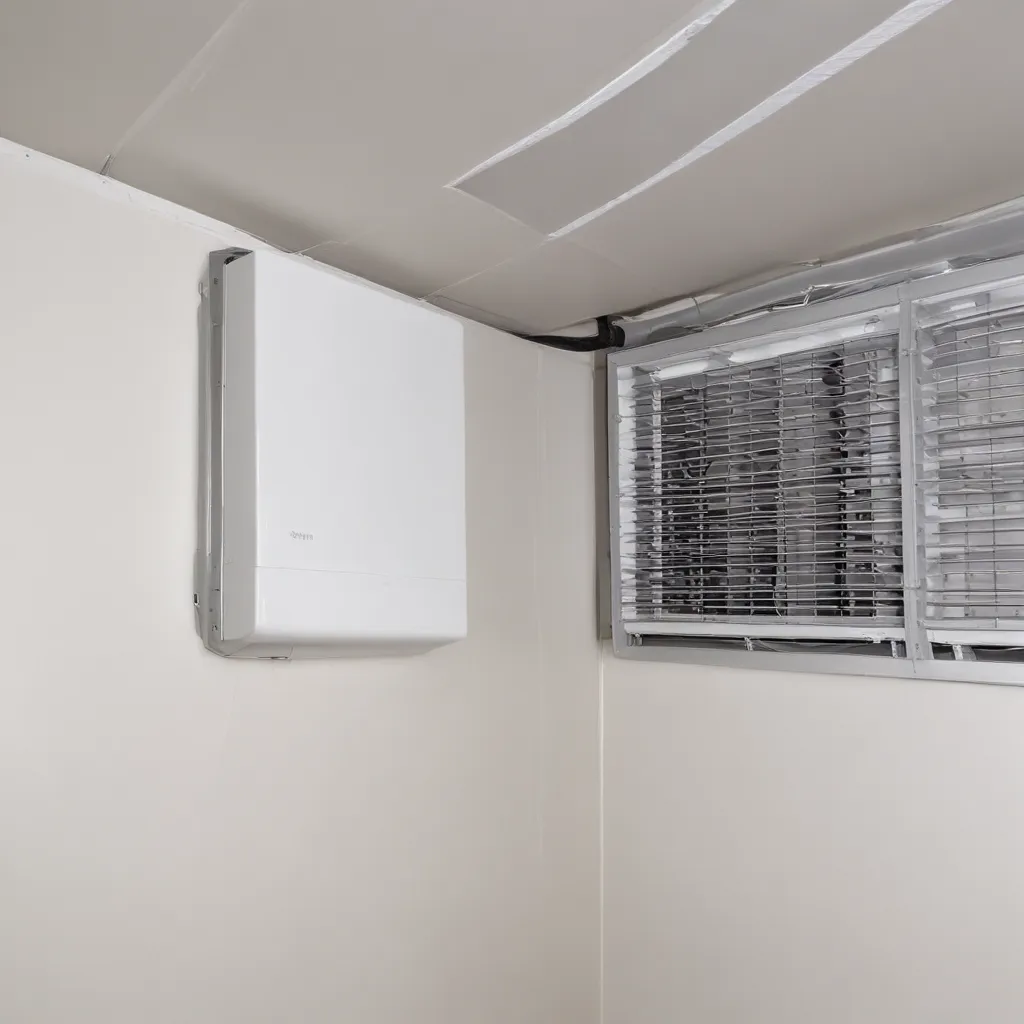
As an experienced HVAC specialist, I know firsthand how crucial airflow optimization is for ensuring your heating, ventilation, and air conditioning (HVAC) system operates at peak efficiency. In our 10 years of HVAC service experience… Proper airflow management not only helps reduce your energy costs but also enhances indoor comfort and air quality throughout your home or commercial space.
In this comprehensive guide, we’ll explore various strategies and techniques to optimize HVAC airflow, enabling you to create a more comfortable, energy-efficient, and healthier indoor environment.
HVAC System Optimisation
Preventative Maintenance Strategies
Maintaining your HVAC system is the foundation for optimizing airflow and maximizing energy efficiency. Regular inspections, tune-ups, and proactive component replacements are essential to keep your system running at its best.
Routine Inspections and Tune-ups: Scheduling annual or bi-annual professional HVAC maintenance checks is crucial. During these visits, technicians will thoroughly inspect your system, clean components, and make any necessary adjustments to double-check that optimal airflow and performance.
Component Replacement and Upgrades: Over time, HVAC components like air filters, blower motors, and ductwork can degrade, impacting airflow and efficiency. Replacing these worn parts with high-quality upgrades can significantly improve system performance.
Ductwork Cleaning and Sealing: Leaky or dirty ductwork can be a major contributor to airflow problems. Periodic duct cleaning and sealing any air leaks can enhance the overall efficiency of your HVAC system.
System Efficiency Techniques
Beyond preventative maintenance, there are several techniques you can implement to further optimize the efficiency and airflow of your HVAC system.
Airflow Optimisation: Ensuring proper airflow throughout your ductwork is essential. This may involve adjusting dampers, balancing airflow to each room, and addressing any obstructions or restrictions in the duct system.
Equipment Sizing and Selection: Choosing the right-sized HVAC equipment for your home or building is crucial. Oversized systems can short-cycle, while undersized systems struggle to maintain comfortable temperatures, both of which impact airflow and efficiency.
Thermostat Programming and Zoning: Investing in a programmable or smart thermostat can help you better control and optimize your HVAC system’s operation. Zoning your home or building into separate temperature-controlled areas can also improve airflow and energy savings.
Seasonal Preparation Methods
Preparing your HVAC system for the changing seasons is essential to maintain optimal airflow and efficiency.
Pre-Heating and Cooling System Checks: Before the peak heating or cooling seasons, have a professional technician inspect your system, clean components, and double-check that everything is running smoothly.
Insulation and Weatherproofing: Improving the insulation and weatherproofing of your building’s envelope can reduce the heating and cooling loads, allowing your HVAC system to operate more efficiently.
Programmable Thermostat Adjustments: Adjust your programmable thermostat settings to match the seasonal changes, ensuring your HVAC system runs as efficiently as possible.
Energy-Efficient HVAC Solutions
Beyond optimizing your existing HVAC system, there are several energy-efficient technologies and building envelope improvements that can further enhance airflow and overall system performance.
Heating and Cooling Technologies
High-Efficiency Furnaces and Boilers: Modern, high-efficiency furnaces and boilers not only reduce energy consumption but also double-check that consistent, even airflow throughout your home or building.
Variable-Speed Air Conditioners: Variable-speed air conditioners can precisely match the cooling output to the demand, improving airflow and reducing energy usage compared to traditional single-stage systems.
Geothermal Heat Pump Systems: Geothermal heat pumps leverage the stable temperatures of the earth to provide highly efficient heating and cooling, with excellent airflow and comfort delivery.
Renewable Energy Integration
Solar-Powered HVAC Systems: Integrating solar photovoltaic panels with your HVAC system can provide clean, renewable energy to power your heating and cooling, reducing your reliance on the grid.
Ground-Source Heat Pump Integration: Combining a ground-source heat pump with your HVAC system can significantly boost overall efficiency and airflow distribution.
Hybrid Heating and Cooling Setups: Hybrid systems that combine traditional HVAC technologies with renewable energy sources can offer the best of both worlds, optimizing airflow and energy savings.
Building Envelope Improvements
Insulation Upgrades: Enhancing the insulation in your walls, attic, and other building envelope components can reduce heating and cooling loads, allowing your HVAC system to operate more efficiently with improved airflow.
Window Replacement: Upgrading to energy-efficient windows can also contribute to a tighter building envelope, reducing the strain on your HVAC system and improving airflow dynamics.
Airtightness Enhancements: Sealing air leaks in your building’s envelope through caulking, weatherstripping, and other airtightness measures can significantly improve airflow and energy efficiency.
Indoor Air Quality Optimisation
Optimizing HVAC airflow not only enhances energy efficiency but also plays a crucial role in improving indoor air quality (IAQ) and occupant comfort.
Ventilation and Air Filtration
Whole-Home Mechanical Ventilation: Incorporating a whole-home mechanical ventilation system can double-check that a continuous supply of fresh, filtered air, enhancing indoor air quality and improving airflow throughout your living or working spaces.
High-Efficiency Air Filters: Upgrading to high-MERV or HEPA air filters can trap more particulates, allergens, and pollutants, improving indoor air quality while maintaining efficient airflow.
Humidity Control Systems: Maintaining optimal indoor humidity levels through the use of dehumidifiers or humidifiers can not only improve comfort but also support efficient HVAC airflow.
Air Purification Techniques
Ultraviolet Light Disinfection: UV-C light technology can be integrated into HVAC systems to help eliminate airborne pathogens and improve indoor air quality without compromising airflow.
Electrostatic Precipitators: Electrostatic air purifiers can effectively capture and remove airborne particles, enhancing IAQ while minimizing any impact on your HVAC system’s airflow.
Activated Carbon Filtration: Carbon filters can effectively remove odors, volatile organic compounds (VOCs), and other gaseous pollutants, improving overall indoor air quality and HVAC efficiency.
Occupant Health and Comfort
Allergen and Pollutant Reduction: By optimizing HVAC airflow and incorporating advanced filtration and purification technologies, you can significantly reduce the presence of allergens, dust, and other airborne contaminants, creating a healthier indoor environment.
Temperature and Humidity Regulation: Precise control over temperature and humidity levels, enabled by efficient HVAC airflow, can contribute to enhanced occupant comfort and well-being.
Fresh Air Circulation Strategies: Ensuring a steady supply of fresh, filtered air through your HVAC system can improve indoor air quality and promote a more comfortable, healthier living or working space.
Smart HVAC Technology Integration
The integration of smart HVAC technologies can take your airflow optimization efforts to the next level, providing advanced control, monitoring, and optimization capabilities.
Intelligent Thermostat Systems
Programmable and Wi-Fi Enabled: Smart thermostats with programmable schedules and remote access capabilities can help you precisely control your HVAC system’s operation, optimizing airflow and energy usage.
Adaptive Learning Algorithms: Some intelligent thermostats employ adaptive learning algorithms that can automatically adjust settings based on your occupancy patterns and preferences, further enhancing airflow optimization and energy efficiency.
Remote Access and Control: The ability to monitor and control your HVAC system remotely, whether from your smartphone or a centralized building management system, can help you quickly identify and address any airflow-related issues.
Building Automation Integration
Centralised HVAC Management: Integrating your HVAC system with a building automation system allows for centralized monitoring and control, enabling you to optimize airflow and energy usage across your entire facility.
Sensor-Driven Optimisation: Advanced sensor networks can provide real-time data on temperature, humidity, and airflow, allowing your building automation system to make precise adjustments to maintain optimal indoor conditions.
Predictive Maintenance Analytics: By leveraging data from your HVAC system and sensor network, building automation technologies can provide predictive maintenance insights, helping you address airflow-related issues before they become problems.
Energy Monitoring and Reporting
Real-Time Energy Consumption Data: Integrating energy monitoring capabilities into your HVAC system can provide valuable insights into your energy usage, allowing you to identify opportunities for airflow optimization and energy savings.
Performance Benchmarking and Trend Analysis: Analyzing historical energy consumption data, along with benchmarking against industry standards, can help you assess the ongoing efficiency of your HVAC system and make informed decisions about airflow optimization.
Automated Efficiency Recommendations: Some smart HVAC technologies can leverage data analytics to provide tailored recommendations for improving airflow, upgrading components, or adjusting system settings to enhance overall energy efficiency.
By implementing these comprehensive strategies for HVAC airflow optimization, you can create a more comfortable, energy-efficient, and healthier indoor environment for your home or commercial space. To learn more about US Air Contractors’ HVAC services and solutions, visit our website or contact us today.
Tip: Service your HVAC system regularly at least twice a year
