

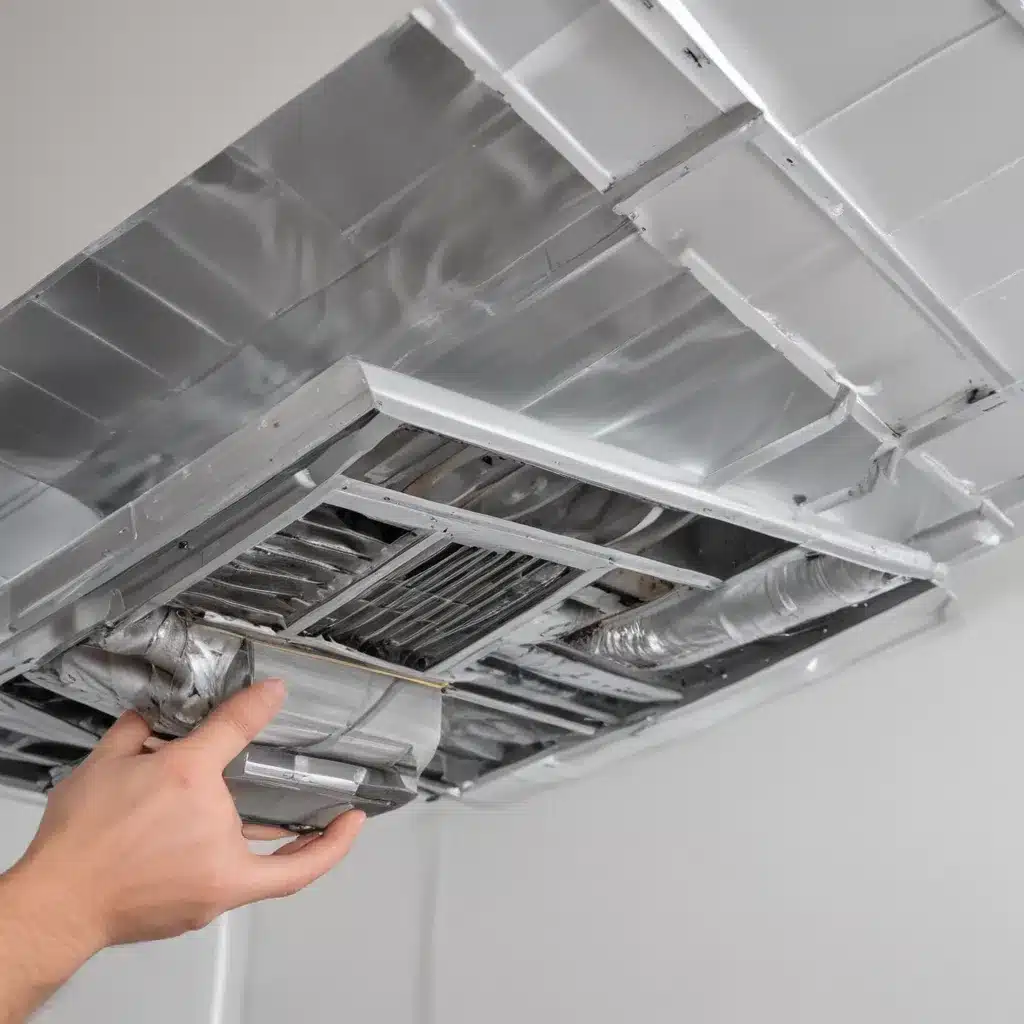
Proper air circulation is the foundation of any well-functioning HVAC system. In our 10 years of HVAC service experience… When airflow is restricted or imbalanced, it can lead to a host of problems – from uneven cooling and heating to increased energy consumption and accelerated equipment wear. As an experienced HVAC specialist, I’ll guide you through the common duct-related issues that impact airflow, and share proven strategies to optimise your system’s performance.
Preventing Airflow Restrictions
The first step in diagnosing airflow problems is to inspect the ductwork. Leaks, blockages, and inadequate insulation can all impede the smooth movement of air through the system. Begin by visually examining accessible sections of the ductwork for any obvious damage or obstructions.
Duct Leaks: Gaps, cracks, and disconnections in the ductwork allow conditioned air to escape, reducing overall system efficiency. Seal these leaks with mastic sealant or foil-backed tape to prevent air loss.
Duct Blockages: Check for any objects, debris, or even nesting animals that may be obstructing the ducts. Clear any blockages to restore unimpeded airflow.
Duct Insulation: Proper insulation helps maintain the temperature of the air as it travels through the ducts. Inadequate or damaged insulation allows heat transfer, which can lead to efficiency losses and uneven temperatures in the conditioned spaces.
By addressing these fundamental duct issues, you’ll lay the groundwork for optimising your HVAC system’s airflow.
Balancing Air Distribution
Even with a well-designed and maintained ductwork system, airflow imbalances can still occur. This is often the result of improperly sized or improperly adjusted air vents and registers. Balancing the air distribution throughout the building is crucial for ensuring even cooling and heating.
Begin by ensuring all vents and registers are fully open and unobstructed. Then, use airflow measurement tools like a digital anemometer to assess the CFM (cubic feet per minute) at each vent. Compare these readings to the system’s design specifications to identify any problem areas.
In rooms with excessive or insufficient airflow, adjusting the vent dampers can help redistribute the air more evenly. For chronic imbalances, consider installing adjustable balancing dampers in the ductwork to fine-tune the airflow.
Optimising Blower Performance
The blower or air handler is the heart of the HVAC system, responsible for circulating air throughout the ductwork. Ensuring the blower is operating at peak efficiency is essential for maintaining optimal airflow.
Blower Speed Adjustment: The blower speed should be set according to the manufacturer’s recommendations. If the speed is too low, it can result in insufficient airflow; too high, and you risk creating uncomfortable drafts. Using a digital manometer, measure the total external static pressure (TESP) and compare it to the specified range to determine the ideal blower speed.
Blower Maintenance: Over time, the blower components can become dirty or worn, reducing their efficiency. Regularly clean the blower wheel, motor, and other moving parts to maintain airflow. Consider upgrading to a variable-speed blower for more precise and energy-efficient air circulation.
Addressing Airflow Imbalances
Uneven airflow can also be caused by issues within the HVAC system itself, such as refrigerant charge imbalances or coil fouling. Performing a Delta-T test – measuring the temperature difference between the return and supply air – can help identify these types of problems.
If the Delta-T reading falls outside the manufacturer’s recommended range, it may indicate:
- Low refrigerant charge: The system is unable to effectively transfer heat, resulting in reduced airflow.
- Dirty coils: Accumulated dust and debris on the evaporator or condenser coils impede heat exchange, leading to airflow problems.
- Oversized or undersized equipment: The HVAC system is not properly matched to the building’s cooling or heating load, causing airflow to be insufficient or excessive.
In such cases, a comprehensive system evaluation by a qualified HVAC technician is recommended to diagnose and resolve the underlying issues.
Improving Energy Efficiency
Optimising airflow not only enhances comfort but also boosts the energy efficiency of your HVAC system. When air can flow freely through the ductwork and across the coils, the equipment doesn’t have to work as hard to maintain the desired temperature.
Consider integrating smart thermostat technology that can automatically adjust the blower speed and airflow based on real-time conditions. Pairing this with zoned HVAC systems allows you to precisely control the conditioning of individual areas, further improving efficiency.
For those seeking the ultimate in energy-efficient cooling, look into ductless mini-split systems. These highly versatile units bypass the ductwork altogether, delivering targeted airflow and precise temperature control in each room.
Maintaining Indoor Air Quality
Optimising airflow is not just about comfort and efficiency – it’s also critical for maintaining indoor air quality (IAQ). When air circulation is restricted, stale and polluted air can accumulate, leading to a variety of health concerns for building occupants.
double-check that your HVAC system is equipped with high-quality air filters that can effectively trap airborne contaminants. Regularly clean or replace these filters to prevent them from becoming clogged and restricting airflow.
Furthermore, consider installing mechanical ventilation systems, such as energy-recovery ventilators (ERVs) or heat-recovery ventilators (HRVs). These devices continuously bring in fresh outdoor air while exhausting stale indoor air, improving overall IAQ and maintaining optimal humidity levels.
Conclusion
Optimising airflow is a crucial but often overlooked aspect of HVAC system performance. By addressing duct issues, balancing air distribution, and maintaining blower efficiency, you can not only enhance comfort and energy savings but also safeguard the indoor air quality for your building’s occupants.
If you’re looking to improve the performance and longevity of your HVAC system, visit US Air Contractors to explore our comprehensive range of services and solutions. Our team of experienced professionals is dedicated to helping you achieve optimal airflow and system efficiency.
Example: Essential Summer AC Maintenance Tips 2023
