

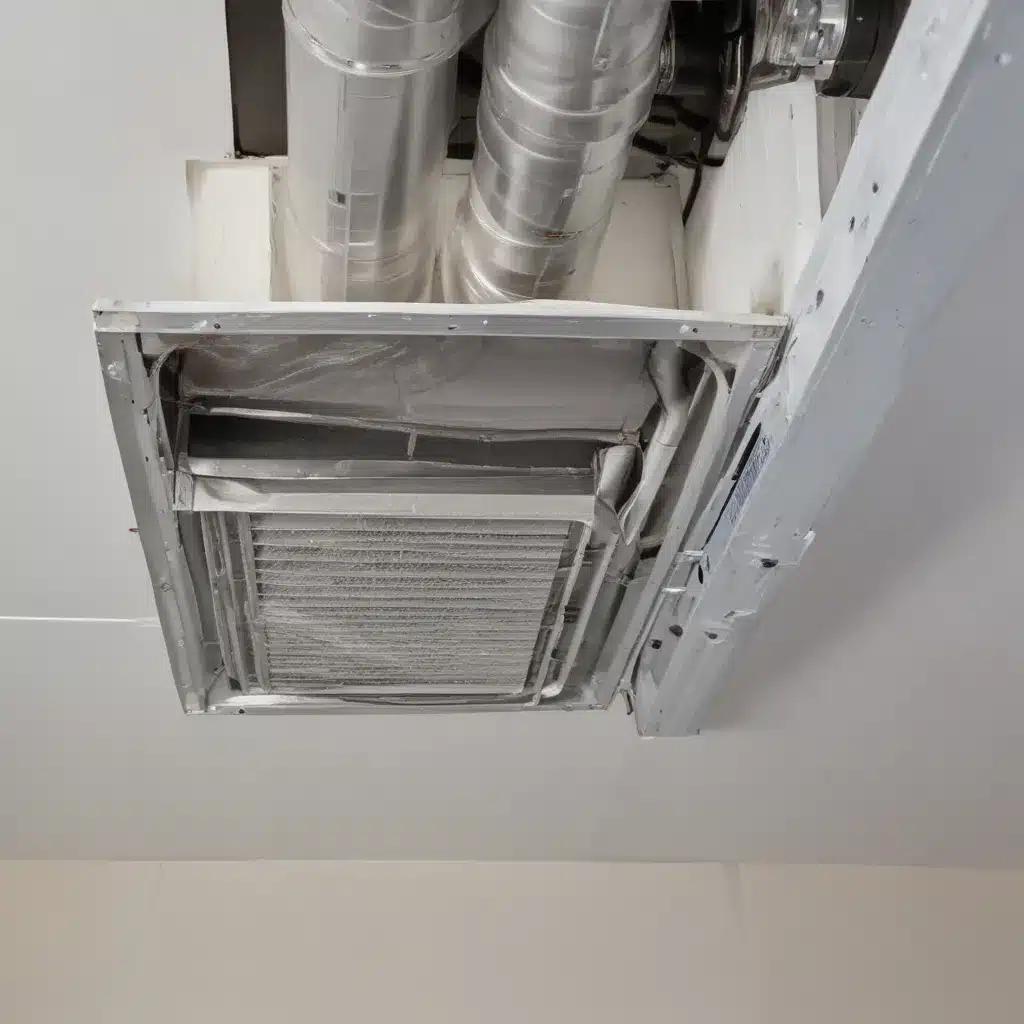
Maintaining the efficiency and performance of your HVAC system is critical for ensuring a comfortable indoor environment, reducing energy costs, and minimizing your environmental impact. One of the key factors that can significantly impact HVAC system efficiency is the condition of the ductwork. Leaks and gaps in the ductwork can lead to significant energy losses, compromising the system’s ability to effectively heat or cool your home or business.
Now, this might seem counterintuitive when dealing with air conditioning systems…
HVAC Systems and Energy Efficiency
Heating, Ventilation, and Air Conditioning (HVAC) Fundamentals
At the heart of any HVAC system are the fundamental principles of heat transfer. Heating systems, such as furnaces and boilers, work by converting fuel or electricity into thermal energy, which is then distributed through the ductwork or radiators. Air conditioning systems, on the other hand, use refrigeration technology to remove heat from indoor air, cooling and dehumidifying it before circulating it back into the building.
The ductwork plays a crucial role in both heating and cooling systems, as it serves as the conduit for the distribution of conditioned air throughout the structure. Proper ductwork design, installation, and maintenance are essential for ensuring the efficiency and effectiveness of the HVAC system.
HVAC System Types and Applications
HVAC systems can be classified into two broad categories: residential and commercial. Residential HVAC solutions typically include central air conditioning units, heat pumps, furnaces, and boilers, while commercial HVAC systems often feature more complex and specialized equipment, such as rooftop units, chiller systems, and variable air volume (VAV) systems.
Regardless of the specific system type, ductwork optimization is a critical component of ensuring HVAC efficiency and indoor comfort.
Ductwork Optimization for Energy Savings
Ductwork Design and Configuration
The design and configuration of the ductwork can significantly impact the overall efficiency of the HVAC system. Factors such as ductwork layout and sizing can influence the system’s ability to effectively distribute conditioned air throughout the building.
Proper air distribution strategies can help double-check that that the system is delivering the right amount of air to the right areas, reducing the likelihood of hot or cold spots and improving overall comfort levels.
Ductwork Sealing and Insulation
One of the most significant threats to HVAC efficiency is ductwork leakage. Gaps, cracks, and poorly sealed joints in the ductwork can allow conditioned air to escape, leading to energy waste and reduced system performance.
Identifying these leaks is the first step in addressing the issue. Visual inspections and infrared thermography can be used to detect areas of air leakage, allowing you to target the problem areas for sealing.
Once the leaks have been identified, the next step is to implement effective sealing techniques and materials. High-quality sealants, such as mastic or specialized duct tapes, can be used to close gaps and reinforce duct connections. Proper insulation, such as spray foam or rigid foam boards, can also help to prevent heat transfer and reduce the impact of thermal bridging.
System Efficiency Evaluation
Regularly evaluating the efficiency of your HVAC system is crucial for maintaining optimal performance and identifying areas for improvement. Airflow measurement and balancing can help double-check that that the system is delivering the right amount of air to each zone, while energy audits and performance analyses can provide valuable insights into the system’s overall energy usage and opportunities for savings.
Preventative Maintenance for HVAC Systems
Routine Inspection and Cleaning
Proper maintenance is key to ensuring the longevity and efficiency of your HVAC system. Regular inspections of HVAC components, such as the blower, coils, and filters, can help identify any issues before they become more serious problems. Filter replacement on a scheduled basis is also essential for maintaining indoor air quality and system performance.
Proactive Repair and Upgrades
In addition to routine maintenance, a proactive approach to HVAC system care can also yield significant benefits. Predictive maintenance strategies, such as monitoring system performance data, can help identify potential issues before they arise, allowing you to address them more efficiently. Upgrading or modernizing aging HVAC equipment can also improve system efficiency and reduce energy consumption.
Indoor Air Quality and Comfort
Air Filtration and Purification
Maintaining good indoor air quality is essential for the health and comfort of building occupants. HVAC-integrated air cleaning systems, such as high-efficiency particulate air (HEPA) filters, can help remove airborne contaminants and improve overall air quality. Proper ventilation and air exchange strategies can also contribute to a healthier indoor environment.
Humidity Control and Dehumidification
Controlling the humidity levels in a building is another important aspect of HVAC system management. Excess moisture can lead to the growth of mold and mildew, which can compromise indoor air quality and even cause structural damage. Moisture management techniques, such as the integration of dehumidifiers into the HVAC system, can help maintain optimal humidity levels and prevent these issues.
Seasonal Preparation and Optimization
Pre-Season System Tune-ups
Preparing your HVAC system for the upcoming heating or cooling season is crucial for ensuring it operates at peak efficiency. Pre-season tune-ups should include a thorough inspection of all components, as well as any necessary repairs or adjustments. Proper thermostat programming and zoning can also help optimize the system’s performance and energy usage.
Energy-Efficient Operation
Once your HVAC system is ready for the season, there are several strategies you can employ to maximize its energy efficiency. Demand-based control strategies, such as using programmable thermostats or integrating the system with smart home technologies, can help minimize energy consumption by adjusting the system’s output based on actual usage and occupancy patterns. Incorporating renewable energy sources, such as solar-powered attic fans or geothermal heat pumps, can also significantly reduce the system’s environmental impact.
Emerging HVAC Technologies
Smart Home Integration
The rise of the Internet of Things (IoT) has led to the development of a new generation of HVAC technologies that can be seamlessly integrated into smart home systems. Programmable thermostats and other connected devices allow for remote monitoring and control, enabling homeowners to optimize their HVAC system’s performance and energy efficiency from anywhere.
Efficiency-Boosting Features
Advancements in HVAC technology have also led to the development of increasingly efficient system components. Variable-speed compressors, for example, can adjust their output to match the actual heating or cooling demand, reducing energy consumption and improving comfort. Geothermal heat pump systems leverage the Earth’s natural temperature to provide highly efficient heating and cooling, making them a promising option for sustainable HVAC solutions.
Environmental Impact and Sustainability
Refrigerant Management
The refrigerants used in HVAC systems can have a significant impact on the environment, particularly in terms of their potential to contribute to greenhouse gas emissions and ozone depletion. Proper refrigerant selection and management, including reclamation and recycling, is essential for minimizing the environmental impact of HVAC systems.
Energy-Efficient Design Principles
Beyond the HVAC system itself, the building envelope and overall design of a structure can also play a critical role in energy efficiency. Passive heating and cooling strategies, such as strategic window placement and high-performance insulation, can help reduce the overall energy demands of the HVAC system, leading to lower operating costs and a smaller environmental footprint.
By implementing these ductwork sealing and insulation techniques, as well as other HVAC optimization strategies, you can significantly improve the efficiency and performance of your system, reduce energy costs, and contribute to a more sustainable indoor environment. To learn more about how US Air Contractors can help you achieve these goals, please visit our website or contact us today.
Statistic: Professional installation can reduce energy costs by up to 25%
