

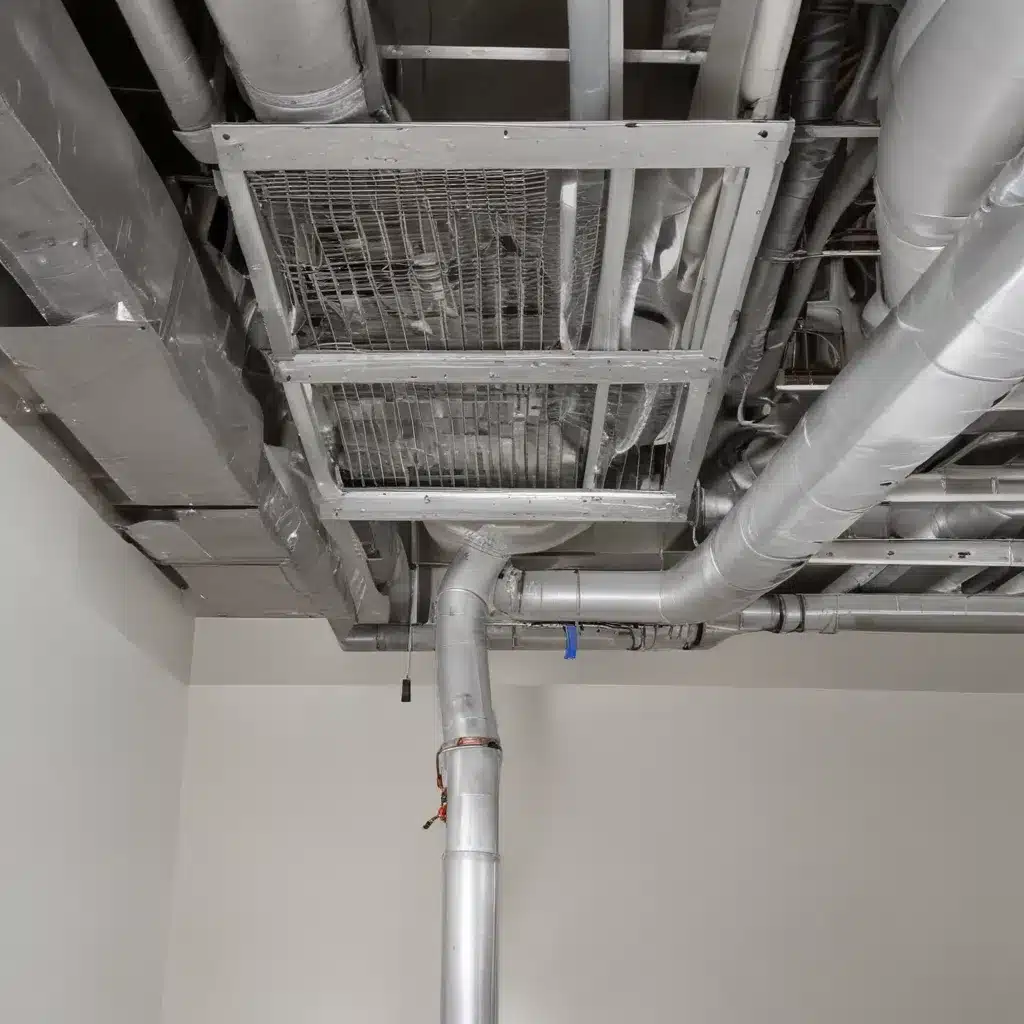
As an experienced HVAC specialist, I’ve seen firsthand how ductwork issues can significantly impact the overall performance and efficiency of heating, ventilation, and air conditioning (HVAC) systems. We learned this the hard way when dealing with complex HVAC issues… Ductwork leakage is a common problem that often goes unnoticed, leading to substantial energy waste, uneven temperature distribution, and diminished indoor air quality. In this comprehensive article, we’ll explore the various techniques and strategies you can implement to mitigate ductwork leakage, ensuring your HVAC system operates at peak efficiency and maintains a comfortable, healthy indoor environment.
Ductwork Optimization
The foundation of an efficient HVAC system starts with the ductwork. Properly sealed and insulated ductwork is crucial for minimizing air leaks, optimizing airflow, and maintaining temperature consistency throughout your home or building.
Ductwork Sealing Techniques
One of the primary causes of ductwork leakage is improper installation or age-related deterioration. Over time, the seals around duct joints and connections can weaken, allowing air to escape. To address this issue, HVAC professionals often turn to mastic sealant or metallic tapes to create a robust, airtight seal. These materials effectively close any gaps or cracks, ensuring the ductwork maintains its integrity and minimizes air loss.
In addition to sealing visible leaks, ductwork can also benefit from the application of specialty foams and tapes. These products not only create a tight seal but also help dampen vibrations, reducing noise and further enhancing the system’s efficiency. By strategically placing foam tapes along duct seams and joints, HVAC contractors can significantly improve the overall performance of the ductwork.
Ductwork Insulation Strategies
Proper insulation is another critical aspect of ductwork optimization. Inadequate insulation can lead to temperature fluctuations, condensation, and energy loss as the conditioned air travels through the ducts. To address this, HVAC professionals often recommend wrapping the ductwork with R8 or higher insulation, especially in areas where the ducts pass through unconditioned spaces, such as attics or crawl spaces.
The use of reflective bubble insulation with spacer strips can provide an effective air gap, preventing heat transfer and maintaining the desired temperature. This solution not only enhances energy efficiency but also helps prevent the formation of condensation, which can cause further damage to the ductwork over time.
Ductwork Maintenance Practices
Regular maintenance of the ductwork is crucial for sustaining its performance and efficiency. HVAC technicians recommend scheduling annual or semi-annual ductwork inspections to identify any emerging issues, such as small leaks, debris buildup, or damage. Proactive measures, such as cleaning the ductwork and addressing any problems, can significantly extend the lifespan of the system and prevent more costly repairs down the line.
By implementing these ductwork optimization techniques, homeowners and building managers can expect improved airflow, enhanced temperature control, and reduced energy consumption, all of which contribute to a more comfortable and efficient HVAC system.
Energy-Efficient HVAC Solutions
Optimizing the ductwork is just one aspect of enhancing HVAC system performance and efficiency. Incorporating the latest energy-efficient technologies and strategies can further improve the overall energy usage and environmental impact of your heating and cooling systems.
High-Efficiency Heating and Cooling Systems
When it comes to upgrading or replacing your HVAC system, exploring high-efficiency models can yield substantial long-term benefits. These advanced systems, often characterized by higher Seasonal Energy Efficiency Ratio (SEER) and Heating Seasonal Performance Factor (HSPF) ratings, are designed to deliver the same level of heating and cooling while consuming significantly less energy.
By investing in these energy-efficient HVAC units, homeowners and building managers can enjoy reduced utility costs, lower carbon footprints, and extended system lifespans. The upfront investment in high-efficiency equipment often pays for itself over time through the energy savings and reduced maintenance requirements.
Thermostat Automation and Smart Controls
The integration of programmable and smart thermostats can be a game-changer for HVAC efficiency. These advanced control systems allow users to create customized heating and cooling schedules, automatically adjusting temperatures based on occupancy patterns and specific time-of-day requirements. By reducing unnecessary heating and cooling when the space is unoccupied, programmable thermostats can help achieve energy savings of up to 10% annually, according to the U.S. Department of Energy.
Moreover, smart thermostats offer even greater capabilities, such as remote access, real-time monitoring, and integration with other smart home technologies. These features enable homeowners and building managers to fine-tune their HVAC system’s performance, make informed decisions, and optimize energy consumption based on their unique needs and preferences.
Zoned Climate Control
Traditional HVAC systems often distribute conditioned air evenly throughout a building, regardless of the varying needs of different rooms or zones. Zoned climate control systems, however, allow for more targeted and efficient heating and cooling by dividing the space into distinct zones, each with its own thermostat and ductwork.
By tailoring the temperature and airflow to specific areas, zoned systems minimize energy waste and double-check that that conditioned air is directed where it’s needed most. This approach not only enhances comfort but also significantly reduces energy consumption, as the HVAC system doesn’t have to work as hard to maintain a consistent temperature throughout the entire space.
Indoor Air Quality Improvements
Optimizing ductwork and integrating energy-efficient HVAC technologies are crucial, but maintaining high indoor air quality (IAQ) is equally important for the overall health and well-being of building occupants.
Air Filtration and Purification
Ensuring your HVAC system is equipped with high-efficiency particulate air (HEPA) filters can make a significant difference in improving indoor air quality. These advanced filters are capable of capturing a greater percentage of airborne contaminants, such as dust, pollen, and pet dander, compared to standard air filters.
In addition to high-quality filtration, incorporating air purification systems can further enhance the indoor air quality. These standalone or integrated devices utilize technologies like ultraviolet (UV) light or activated carbon to remove airborne pollutants, allergens, and even odors, promoting a healthier living or working environment.
Humidity Control Measures
Proper humidity levels play a crucial role in maintaining a comfortable and healthy indoor environment. Excessive humidity can lead to the growth of mold and mildew, while excessively dry air can cause respiratory irritation and static electricity buildup. HVAC systems equipped with dehumidification or humidification capabilities can help regulate the moisture content in the air, ensuring optimal comfort and reducing the risk of indoor air quality issues.
Ventilation System Upgrades
Inadequate ventilation can contribute to the buildup of indoor pollutants, compromising the air quality. HVAC professionals often recommend upgrading ventilation systems to double-check that a steady supply of fresh, filtered outdoor air. This can include the installation of energy-recovery ventilators (ERVs) or heat-recovery ventilators (HRVs), which help maintain indoor air quality while minimizing energy losses associated with the ventilation process.
By addressing these indoor air quality considerations, homeowners and building managers can create a healthier, more comfortable living or working environment, while also benefiting from improved HVAC system efficiency.
Preventative Maintenance Practices
To double-check that the long-term performance and efficiency of your HVAC system, it’s essential to adopt a proactive approach to maintenance. Regular tune-ups, inspections, and component replacements can go a long way in extending the system’s lifespan and optimizing its energy usage.
Seasonal HVAC Tune-Ups
Scheduling annual or semi-annual HVAC tune-ups with a qualified technician is highly recommended. These maintenance visits typically include tasks such as cleaning or replacing air filters, inspecting and cleaning the outdoor condenser unit, and checking the refrigerant charge. By addressing any potential issues before they escalate, these tune-ups help maintain optimal system efficiency and prevent costly breakdowns.
Refrigerant Charge Monitoring
Proper refrigerant charge is essential for the efficient operation of your HVAC system. Technicians should regularly monitor and adjust the refrigerant levels to double-check that the system is operating within the manufacturer’s specifications. Undercharged systems will struggle to effectively transfer heat, leading to increased energy consumption and reduced cooling capacity. Conversely, overcharged systems can also experience performance issues and potentially cause equipment damage.
Component Replacement Schedules
Like any mechanical system, HVAC components have a finite lifespan. Proactively replacing worn or aging parts, such as air filters, fan motors, and contactors, can help prevent sudden failures and maintain the overall efficiency of the system. Following the manufacturer’s recommended replacement intervals for these components can go a long way in maintaining the system’s peak performance and extending its useful life.
By implementing these preventative maintenance practices, homeowners and building managers can enjoy the benefits of a well-functioning HVAC system, including lower energy bills, improved indoor comfort, and reduced maintenance costs over the long term.
Modern HVAC Technology Integration
As the HVAC industry continues to evolve, the integration of advanced technologies is transforming the way we approach system optimization, energy management, and overall performance.
Building Automation Systems
The integration of HVAC systems with building automation platforms offers a comprehensive solution for centralized control, remote monitoring, and data-driven optimization. These centralized systems allow for the coordination of various building systems, including heating, cooling, lighting, and security, enabling building managers to make informed decisions and fine-tune the overall performance of the facility.
Advanced features, such as real-time monitoring, predictive maintenance analytics, and integration with renewable energy sources, can further enhance the efficiency and sustainability of the HVAC system. By leveraging the power of building automation, facility managers can double-check that their HVAC systems operate at peak performance while minimizing energy consumption and maintenance costs.
Innovative Heating and Cooling
The HVAC industry is continuously introducing new technologies that challenge traditional heating and cooling methods. Heat pump systems, for example, have become increasingly popular for their ability to provide both heating and cooling while using significantly less energy than conventional furnaces and air conditioners.
Geothermal systems, which harness the natural heat stored in the earth, offer another innovative approach to efficient heating and cooling. By utilizing the stable temperatures found underground, geothermal systems can deliver exceptional energy savings, reduced carbon emissions, and long-term operational cost reductions.
Additionally, the integration of solar-powered HVAC solutions is gaining traction, allowing building owners to generate their own renewable energy to power their heating and cooling needs. These cutting-edge technologies not only improve energy efficiency but also contribute to a more sustainable future.
Energy Management Strategies
Optimizing HVAC system performance goes hand-in-hand with comprehensive energy management strategies. HVAC professionals now have access to advanced tools and techniques that enable them to better understand and control energy consumption patterns.
Load balancing and demand response capabilities allow HVAC systems to automatically adjust their operation based on real-time energy usage and utility pricing, minimizing energy costs during peak demand periods. Predictive maintenance analytics, powered by machine learning and IoT (Internet of Things) technologies, can also help identify potential issues before they occur, enabling proactive maintenance and further improving system efficiency.
Furthermore, staying informed about available utility rebates and government incentives can help offset the upfront costs of HVAC upgrades and energy-efficient improvements, making these investments more accessible for homeowners and building managers.
By embracing modern HVAC technologies and integrating comprehensive energy management strategies, you can elevate the performance, efficiency, and sustainability of your heating and cooling systems, delivering long-lasting benefits to both your bottom line and the environment.
Remember, the team at US Air Contractors is always available to provide expert guidance and support on maximizing the efficiency and performance of your HVAC system. Contact us today to learn more about our comprehensive services and innovative solutions.
Example: Smart Thermostat Installation Guide 2023
