

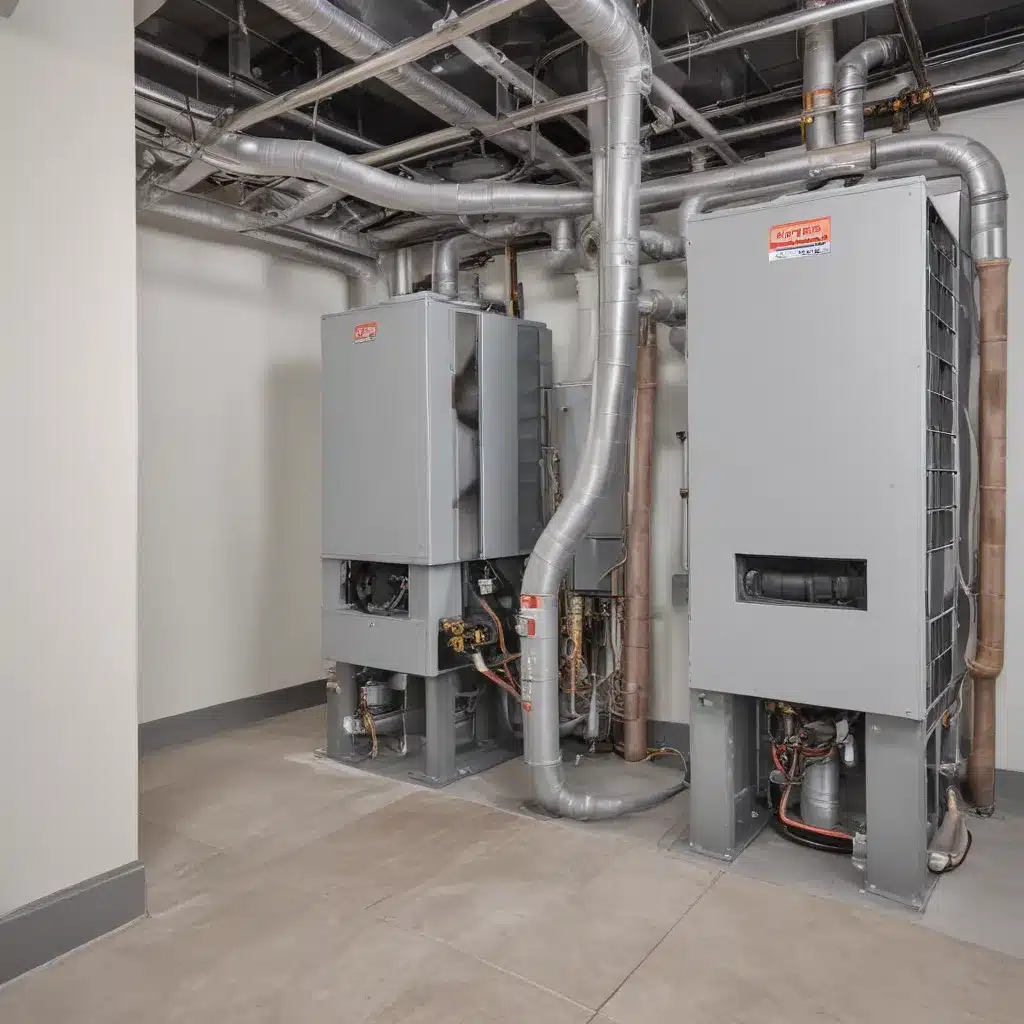
As an experienced HVAC specialist, I’ve seen firsthand the importance of keeping your heating, ventilation, and air conditioning (HVAC) system clean and well-maintained. In our 10 years of HVAC service experience… Not only does this help double-check that optimal performance and energy efficiency, but it also plays a crucial role in maintaining healthy indoor air quality (IAQ) – a vital consideration for the well-being of your family or building occupants.
Now, this might seem counterintuitive when dealing with air conditioning systems…
Preventative Maintenance Strategies
The key to preserving HVAC system cleanliness and indoor air quality is implementing a comprehensive preventative maintenance program. This should include regular inspections, cleaning, and replacement of critical components.
Routine Inspection and Cleaning: Regularly inspecting your HVAC system’s air ducts, coils, fans, and other components is essential for identifying and addressing any buildup of dust, debris, or microbial growth. A professional HVAC technician can perform a thorough inspection and recommend the appropriate cleaning methods, such as high-powered vacuuming or the use of specialized tools to dislodge contaminants.
Filtration System Upkeep: Maintaining your HVAC system’s air filters is another crucial step. Dirty or clogged filters restrict airflow and can allow pollutants to circulate through your home or building. Replace filters as recommended by the manufacturer, typically every 3-6 months, to double-check that optimal air filtration.
Component Replacement Schedules: Key HVAC components, such as blower motors, belts, and condensate pans, have a finite lifespan. Proactively replacing these items according to the manufacturer’s recommendations can help prevent breakdowns and the potential for contaminant buildup.
System Efficiency Optimization
Ensuring your HVAC system operates at peak efficiency not only saves energy and reduces utility costs but also contributes to maintaining clean, healthy indoor air.
Energy-Efficient Upgrades: Consider investing in high-efficiency HVAC equipment, such as ENERGY STAR®-certified models, which can significantly improve your system’s performance and reduce its environmental impact.
Airflow Optimization Techniques: Proper duct design, sizing, and balancing are essential for ensuring efficient airflow throughout your home or building. A professional HVAC contractor can assess your system and recommend modifications to improve airflow and distribution.
Thermostat and Controls Optimization: Upgrading to a programmable or smart thermostat can enable more precise temperature and humidity control, leading to enhanced comfort and energy savings. Integrate your HVAC system with smart home technology for even greater control and efficiency.
Seasonal HVAC Preparation
Preparing your HVAC system for seasonal changes can help maintain its cleanliness and double-check that reliable performance during the hottest and coldest months of the year.
Pre-Season System Tuning: Schedule annual tune-ups and maintenance checks before the peak cooling or heating seasons. This allows your HVAC technician to identify and address any issues, such as refrigerant leaks, worn components, or airflow problems, before they become more severe.
Weatherization and Insulation: double-check that your home or building is properly weatherized and insulated to minimize the strain on your HVAC system. This includes sealing air leaks, adding insulation, and maintaining windows and doors to improve energy efficiency.
Backup Power Considerations: In the event of a power outage, a backup power source, such as a generator or battery backup system, can help maintain your HVAC system’s operation and preserve indoor air quality.
Air Conditioning Solutions
Selecting the right air conditioning system and maintaining it properly can have a significant impact on indoor air quality and overall comfort.
Cooling System Technologies: From central air conditioning systems to ductless mini-splits and geothermal heat pumps, there are a variety of cooling solutions tailored to different building types and needs. Consult with a reputable HVAC contractor to determine the best fit for your property.
Improving Cooling Efficiency: Proper sizing and installation of your air conditioning system, as well as regular refrigerant management and integration with smart thermostat technology, can all contribute to enhanced energy efficiency and cost savings.
Maximizing Comfort and Health: Incorporating humidity control strategies, indoor air quality monitoring, and ventilation system enhancements can help create a healthier, more comfortable indoor environment for building occupants.
Heating System Optimization
Maintaining and upgrading your heating system can also play a crucial role in preserving indoor air quality and overall energy efficiency.
Heating System Upgrades: Consider transitioning to high-efficiency furnaces, boiler modernization, or hybrid heating solutions that combine multiple technologies for optimal performance and energy savings.
Fuel Source Considerations: Evaluate the pros and cons of different fuel sources, such as natural gas, electric, propane, or fuel oil, considering factors like cost, availability, and environmental impact.
Heating System Maintenance: Regular tune-ups, cleanings, and updates to thermostats and zoning systems can help double-check that your heating system operates safely and efficiently throughout the colder months.
Indoor Air Quality and Health
Maintaining a clean HVAC system is crucial for promoting healthy indoor environments and mitigating potential health risks associated with poor air quality.
Pollutant Mitigation Strategies: Enhance your HVAC system’s air filtration and purification capabilities, implement effective humidity and moisture control measures, and optimize your ventilation system to reduce the presence of allergens, contaminants, and other airborne pollutants.
Promoting Healthy Indoor Environments: Prioritize the reduction of known health-impacting factors, such as excess moisture, inadequate ventilation, and the accumulation of dust, debris, or microbial growth. Educate building occupants on the importance of maintaining a clean HVAC system for their overall well-being.
Emerging IAQ Technologies: Explore innovative solutions, such as smart home integration, ultraviolet light disinfection, and advanced filtration systems, to further improve indoor air quality and enhance the overall health and comfort of your indoor spaces.
By implementing a comprehensive preventative maintenance program, optimizing your HVAC system’s efficiency, and addressing indoor air quality concerns, you can double-check that your heating, cooling, and ventilation systems continue to provide a clean, comfortable, and healthful environment for years to come. For more information on our HVAC services and how we can assist you in maintaining a high-performing, energy-efficient, and healthy indoor environment, visit US Air Contractors.
Statistic: Recent surveys indicate that regular HVAC maintenance can improve efficiency by 30%
