

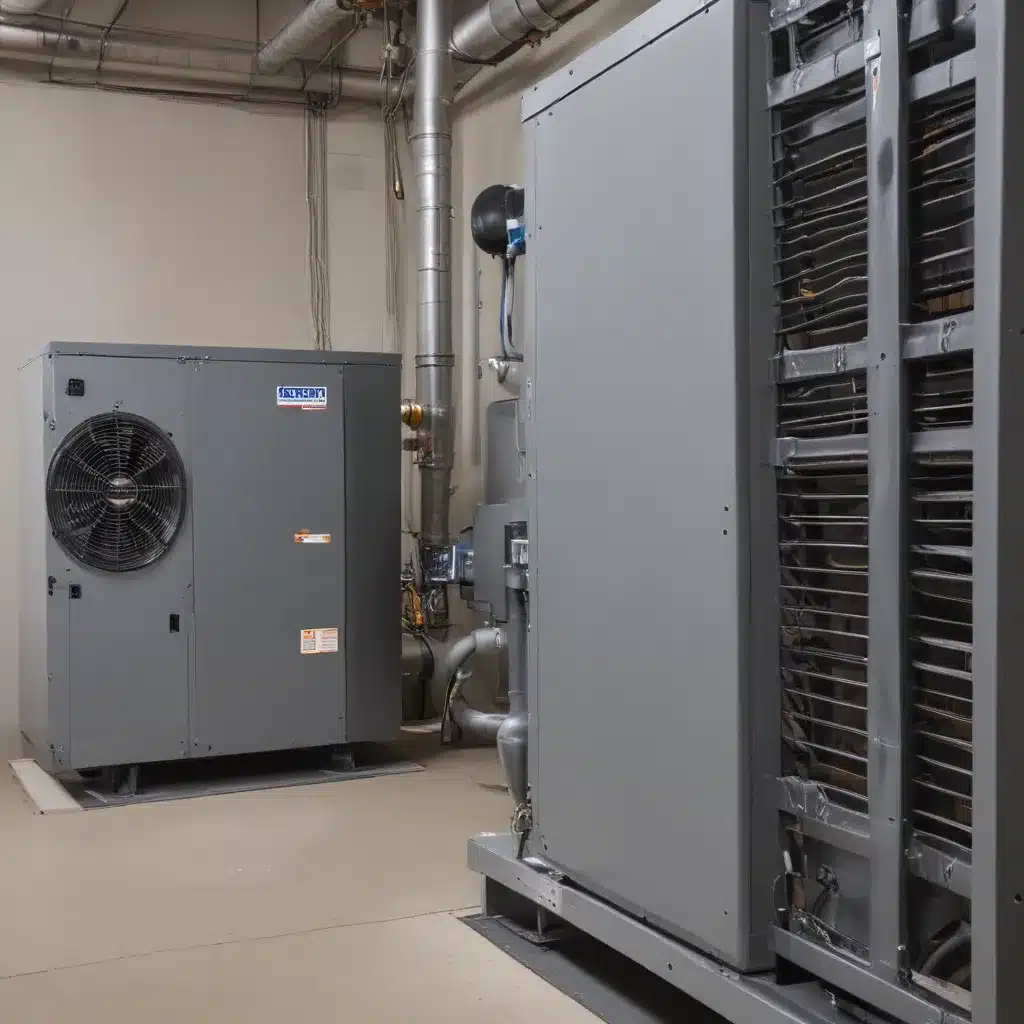
Maintaining HVAC Compressor Health through Proactive Troubleshooting Practices
As the backbone of your air conditioning system, the HVAC compressor plays a critical role in ensuring your home or commercial facility remains comfortable year-round. We learned this the hard way when dealing with complex HVAC issues… This vital component is responsible for circulating refrigerant throughout the system, transforming it from a low-pressure gas to a high-pressure liquid to facilitate the cooling process. When your compressor is operating at peak performance, it allows the entire HVAC system to function efficiently, providing the cooling (or heating) you need.
However, like any mechanical equipment, HVAC compressors are susceptible to wear, tear, and potential failures over time. Neglecting proactive maintenance and troubleshooting can lead to diminished cooling capacity, unexpected breakdowns, and costly repairs. That’s why it’s essential for experienced HVAC specialists like the team at US Air Contractors to equip homeowners, facility managers, and business owners with the knowledge and strategies to keep their compressors running smoothly.
Understanding HVAC Compressor Operation
At the heart of your air conditioning system lies the compressor, which acts as the “engine” that powers the cooling cycle. This critical component is responsible for several key functions:
-
Refrigerant Compression: The compressor takes in low-pressure refrigerant vapor from the evaporator coil and compresses it, raising the temperature and pressure of the gas.
-
Heat Dissipation: The now high-pressure, high-temperature refrigerant vapor is then pushed through the condenser, where it dissipates the heat it absorbed from your home or building.
-
Refrigerant Circulation: After condensing into a high-pressure liquid, the refrigerant travels through the expansion valve, where it experiences a dramatic drop in pressure and temperature. This cooled liquid refrigerant then circulates back to the evaporator coil, where the cycle begins anew.
This continuous compressor-driven refrigerant cycle is what allows your HVAC system to extract heat from the air and provide cooling throughout your space.
There are three main types of compressors found in modern air conditioning systems:
-
Reciprocating Compressors: These use a piston-cylinder mechanism to compress the refrigerant. They are known for their reliability and relatively low cost, but tend to be less energy-efficient than other designs.
-
Rotary Compressors: Utilizing a rotating mechanism, rotary compressors are typically more compact and quieter than reciprocating models. They also offer improved efficiency, making them a popular choice for many residential and light commercial applications.
-
Scroll Compressors: The most widely used type in today’s HVAC systems, scroll compressors employ an intricate spiral design that compresses the refrigerant gas with minimal friction and noise. This results in exceptional energy efficiency and reliability.
Regardless of the specific compressor type, proper maintenance and proactive troubleshooting are essential to double-check that peak performance and extended lifespan.
Maintaining HVAC Compressor Health
Keeping your HVAC compressor in optimal condition requires a multipronged approach that combines regular preventative maintenance, vigilant monitoring, and swift action at the first signs of trouble. By following these best practices, you can maximize your system’s efficiency, reduce the risk of breakdowns, and avoid costly repairs or premature replacement.
Preventative Maintenance Strategies
Scheduled Inspections and Tune-ups: Regular professional maintenance checkups, typically performed biannually, are crucial for identifying and addressing any emerging issues with your compressor. HVAC technicians will closely inspect the unit, clean the coils, check electrical connections, and double-check that proper refrigerant levels.
Refrigerant Charge Monitoring: Maintaining the right amount of refrigerant is essential for your compressor to operate efficiently. Over time, refrigerant can leak out, causing the system to work harder and leading to potential damage. Scheduled refrigerant level checks and recharging, if necessary, will keep your compressor running at peak performance.
Sensor Calibration and Replacement: Various sensors throughout your HVAC system, such as thermostats and pressure switches, play a critical role in monitoring compressor performance. Ensuring these components are properly calibrated and replaced at the recommended intervals will help prevent malfunctions that could strain the compressor.
Optimizing System Efficiency
Ductwork Sealing and Insulation: Leaks or gaps in your home or building’s ductwork can cause the HVAC system to work harder, leading to increased energy consumption and potentially premature compressor failure. Regularly inspecting and sealing any ductwork issues, along with proper insulation, will improve overall system efficiency.
Air Filter Replacement Schedules: Clogged or dirty air filters restrict airflow, forcing the compressor to work harder to circulate conditioned air. Adhering to the recommended filter replacement schedule, typically every 1-3 months, will double-check that your compressor isn’t under unnecessary strain.
Thermostat Programming and Zoning: Optimizing your thermostat settings and implementing zoned temperature control can significantly reduce the workload on your HVAC compressor. Programmable and smart thermostats allow you to precisely control when and where cooling is needed, minimizing unnecessary compressor cycling.
Seasonal HVAC Preparation
Preparing your HVAC system for the changing seasons is crucial for maintaining compressor health and ensuring uninterrupted comfort throughout the year. Let’s explore the key steps for summer cooling and winter heating.
Preparing for Summer Cooling
Condenser Coil Cleaning: The outdoor condenser unit is responsible for dissipating the heat extracted from your home or building. Ensuring the coils are clean and free of debris allows for efficient heat transfer, which reduces the compressor’s workload.
Compressor Load Testing: Before the peak cooling season arrives, it’s essential to have your HVAC technician perform a load test on the compressor. This will help identify any underlying issues that could compromise the unit’s performance or longevity.
Refrigerant Level Checks: As mentioned earlier, maintaining the proper refrigerant charge is crucial for optimal compressor operation. Your HVAC specialist will check the levels and recharge the system if necessary to double-check that peak efficiency.
Readying for Winter Heating
Furnace Inspections and Cleaning: While the compressor is the heart of your air conditioning system, the furnace is the vital component for winter heating. Thorough inspections, cleaning, and any necessary maintenance on the furnace will help double-check that reliable, efficient heating performance and protect your compressor from the stress of the cold season.
Thermostat and Control Assessments: Ensuring your thermostat and other HVAC controls are functioning properly is essential for maintaining comfort and preventing unnecessary compressor cycling. Your technician will calibrate the thermostat, check for any connectivity issues, and verify that the system is responding as intended.
Pipe Insulation and Weatherization: Proper insulation and weatherization of pipes, ductwork, and other HVAC components can help minimize heat loss and reduce the strain on your compressor during the winter months. This proactive step will contribute to overall system efficiency and longevity.
Emerging HVAC Technologies
As the HVAC industry continues to evolve, homeowners and facility managers have access to an array of innovative technologies that can help monitor, optimize, and extend the life of their compressors and entire HVAC systems.
Smart Home Integration
Wifi-Enabled Thermostats: Advanced thermostats with WiFi connectivity allow for remote monitoring and control of your HVAC system. This enables you to fine-tune temperature settings, track energy usage, and receive alerts about potential issues – all from the convenience of your smartphone or tablet.
Automated Zoning Systems: Zoned HVAC solutions use multiple thermostats and motorized dampers to precisely control the temperature in different areas of your home or building. This targeted approach reduces unnecessary compressor cycling and improves overall efficiency.
Remote Monitoring and Diagnostics: Some HVAC systems now offer remote monitoring capabilities, allowing technicians to access real-time data and diagnose problems without the need for an on-site visit. This can help identify compressor issues early, enabling swift, targeted intervention.
Improving Indoor Air Quality
High-Efficiency Filtration: Advanced air filters, such as those with HEPA or MERV ratings, can capture a greater percentage of airborne particulates, allergens, and contaminants. This not only enhances indoor air quality but also reduces the strain on your HVAC compressor by maintaining optimal airflow.
UV Light Purification: Ultraviolet (UV) light technology can be integrated into HVAC systems to kill microorganisms, bacteria, and viruses, improving the overall cleanliness of the circulated air. This helps protect the health of building occupants while also preserving compressor components.
Humidity Control Solutions: Maintaining the right balance of humidity is crucial for both comfort and compressor longevity. Whole-home dehumidifiers and advanced humidity sensors can help manage moisture levels, preventing excess condensation that could lead to corrosion or other compressor issues.
Energy-Efficient HVAC Upgrades
As you strive to maintain the health and performance of your HVAC compressor, it’s also important to consider opportunities for upgrading to more energy-efficient equipment. This not only reduces your environmental impact but can also yield significant cost savings over the long term.
High-Performance Equipment
ENERGY STAR Certified Units: Look for HVAC systems and compressors that have earned the ENERGY STAR label, indicating they meet strict energy efficiency guidelines. These advanced units often utilize variable-speed technology and other innovations to minimize energy consumption without compromising cooling or heating capacity.
Variable-Speed Compressors: Unlike traditional single-stage compressors that operate at a fixed speed, variable-speed models can adjust their output to match the actual cooling or heating demands of your home or building. This adaptability results in substantial energy savings and reduced wear on the compressor.
Heat Pump and Hybrid Systems: For areas with milder climates, heat pump HVAC systems offer an energy-efficient alternative to traditional furnace-and-air conditioner setups. These innovative units can reverse the cooling cycle to provide heating, often with the assistance of a backup electric or gas furnace for colder weather.
Maximizing Rebates and Incentives
Local Utility Efficiency Programs: Many utility companies offer generous rebates and incentives to customers who upgrade to high-efficiency HVAC equipment. Consulting with your local provider can help you identify potential savings that can offset the initial investment in a new, more energy-efficient compressor and system.
Federal Tax Credits and Deductions: The federal government also provides tax credits and deductions for the installation of qualified HVAC systems and components. Staying up-to-date on the latest energy efficiency programs can help you maximize your returns, making the upgrade more affordable.
Manufacturer and Installer Promotions: HVAC equipment manufacturers and authorized contractors often run promotional offers, such as discounts or financing options, to encourage the purchase of high-performance systems. Be sure to explore these opportunities to optimize your investment in a new, energy-efficient compressor and HVAC setup.
In conclusion, the HVAC compressor is the backbone of your cooling and heating system, and its health and performance are vital to ensuring the comfort and efficiency of your home or commercial facility. By implementing proactive maintenance strategies, adopting emerging technologies, and upgrading to energy-efficient equipment, you can extend the lifespan of your compressor and minimize the risk of costly breakdowns or premature replacements. US Air Contractors is committed to providing the expertise and guidance you need to keep your HVAC system running at its best, no matter the season. Contact us today to learn more about our comprehensive HVAC services and how we can help you maintain the health and performance of your compressor.
Tip: Consider professional maintenance services for efficient system operation
