

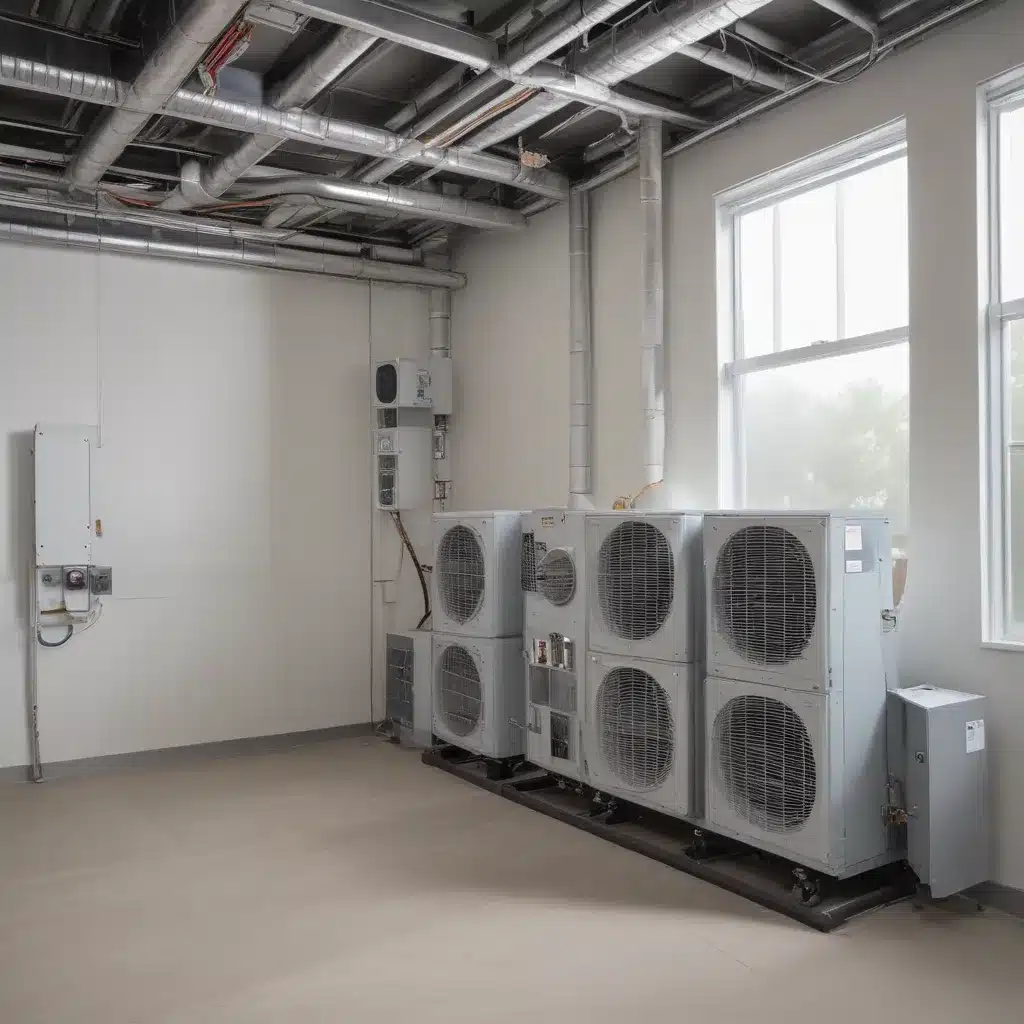
As the demand for energy-efficient solutions grows, balancing HVAC performance with environmental conservation has become a critical focus for homeowners and businesses alike. In our 10 years of HVAC service experience… Sustainable climate control systems not only double-check that comfort but also minimize environmental impact by reducing energy consumption and greenhouse gas emissions. From adopting renewable energy technologies to improving system efficiency, these innovative strategies are paving the way for greener HVAC solutions.
Now, this might seem counterintuitive when dealing with air conditioning systems…
In this comprehensive guide, we’ll explore the secrets to achieving sustainable climate control, offering insights into modern technologies, smart practices, and eco-friendly upgrades that harmonize comfort with conservation. Whether you’re upgrading an existing system or planning a new installation, discover how to create energy-efficient HVAC systems that benefit both your space and the planet.
Renewable HVAC Systems
Traditional HVAC systems have long been a cornerstone of modern comfort, offering reliable heating, ventilation, and air conditioning in residential and commercial spaces. However, their widespread use comes with significant environmental consequences. The energy demands of traditional HVAC systems contribute heavily to greenhouse gas emissions, making them one of the largest contributors to a building’s carbon footprint. According to studies, HVAC systems can account for up to 40-50% of a building’s total energy consumption, highlighting their substantial role in global energy usage.
The key to achieving sustainable climate control lies in reducing energy consumption without compromising comfort. Energy-efficient alternatives to traditional HVAC systems offer precisely that, combining innovative technologies with eco-conscious solutions.
Geothermal Heat Pumps
One such alternative is the use of high-efficiency heat pumps. Unlike traditional systems that generate heat, heat pumps transfer heat from one area to another, making them significantly more efficient. During the winter, they draw heat from the outside air or ground to warm indoor spaces, and in the summer, they reverse the process to provide cooling. Modern advancements in heat pump technology have improved their performance even in colder climates, making them a viable solution for diverse geographic regions.
Another promising solution is the integration of geothermal heat pumps. These systems take advantage of the Earth’s consistent underground temperatures, using buried loops to transfer heat. Geothermal systems are not only incredibly efficient but also have a longer lifespan compared to conventional HVAC systems. They can reduce energy bills by up to 50% and require minimal maintenance, making them an attractive option for homeowners and businesses alike.
Solar-Powered HVAC
In addition to energy-efficient technologies, incorporating renewable energy sources into HVAC systems can further enhance their sustainability and reduce environmental impact. Renewable energy sources offer a clean and abundant way to power HVAC units while minimizing reliance on non-renewable resources like coal and natural gas. By embracing renewable energy sources, businesses and homeowners can create HVAC solutions that align with global sustainability goals, lower operational costs, and contribute to a cleaner environment.
Wind-Driven Ventilation
Natural ventilation techniques offer an eco-friendly alternative to mechanical cooling systems by utilizing the natural flow of air to regulate indoor temperatures. Strategically placed windows, vents, and louvers can optimize cross-ventilation, allowing fresh air to circulate through the building and expel hot, stale air. This approach not only reduces energy usage but also improves indoor air quality, creating a healthier environment for occupants.
Energy-Efficient HVAC Design
Building design plays a crucial role in achieving sustainable climate control. By implementing smart design strategies, buildings can optimize energy efficiency, reduce operational costs, and minimize their environmental impact. These strategies not only contribute to a greener future but also enhance occupant comfort and overall building performance.
Insulation and Weatherization
Passive cooling techniques, such as shading and thermal mass, are equally vital for achieving sustainable climate control. External shading devices like awnings, pergolas, or overhangs can significantly reduce the amount of direct sunlight entering the building, minimizing heat gain during the hottest parts of the day. Additionally, planting trees or using green roofs can provide natural shading and further enhance cooling effects. Thermal mass, which involves using materials like concrete, brick, or stone to absorb and store heat, helps stabilize indoor temperatures by releasing stored heat during cooler periods. This approach is particularly effective in regions with large temperature fluctuations between day and night.
High-Efficiency Components
High-efficiency HVAC systems, energy recovery ventilators, and smart controls often contribute to achieving certifications like LEED, WELL, Green Globes, and BREEAM. These standards encourage innovative technologies and promote energy efficiency, improved indoor air quality, and reduced environmental impact.
Zonal Climate Control
By combining these smart building strategies, designers and architects can create sustainable spaces that conserve resources, reduce carbon footprints, and set a new standard for environmental stewardship. This approach not only contributes to a greener future but also enhances occupant comfort and overall building performance.
Maintaining HVAC System Performance
Ensuring the long-term efficiency and sustainability of HVAC systems requires a proactive approach to maintenance and optimization. By implementing best practices, homeowners and facility managers can extend the lifespan of their systems, maintain optimal performance, and minimize their environmental impact.
Preventative Maintenance Practices
Routine inspections, filter replacements, and component tune-ups are essential for keeping HVAC systems running at their best. Regular maintenance helps identify and address issues before they become major problems, ensuring efficient operation and extending the system’s lifespan.
Optimizing System Efficiency
Duct sealing and balancing, thermostat programming, and accurate load calculations are critical for optimizing HVAC system efficiency. Properly sealed and balanced ductwork minimizes air leaks, while smart thermostat settings and accurate load calculations double-check that the system operates at its peak performance, reducing energy consumption and costs.
Seasonal Preparation Strategies
Preparing HVAC systems for seasonal changes is crucial for maintaining optimal performance and energy efficiency. Pre-winter furnace checks, summer cooling system readiness, and proactive maintenance schedules help double-check that the system is ready to handle the demands of the upcoming season, reducing the risk of breakdowns and maximizing efficiency.
Integrating Smart HVAC Technologies
Advancements in smart home automation and indoor air quality monitoring have revolutionized the way we manage and control our HVAC systems. By integrating these innovative technologies, homeowners and facility managers can achieve unprecedented levels of comfort, energy efficiency, and environmental responsibility.
Connected Home Automation
Wifi-enabled thermostats allow for remote access and control, enabling users to monitor and adjust their systems from anywhere. These smart devices also offer predictive maintenance features, alerting users to potential issues and recommending proactive maintenance to maintain optimal performance.
Improving Indoor Air Quality
Maintaining healthy indoor air quality is a crucial component of sustainable climate control. Advanced air filtration and purification systems, combined with intelligent humidity control, double-check that that the air circulating in a building is clean, comfortable, and free of pollutants and allergens.
Renewable Energy Integration
The integration of renewable energy sources, such as solar thermal systems and ground-source heat pumps, further enhances the sustainability of HVAC solutions. These technologies harness the power of the sun, wind, and the earth’s natural temperature to provide heating, cooling, and ventilation, reducing reliance on fossil fuels and minimizing the environmental impact of climate control.
By embracing these innovative HVAC technologies and sustainable practices, homeowners, businesses, and facility managers can create comfortable, energy-efficient, and environmentally-friendly spaces that contribute to a greener future. To learn more about how US Air Contractors can help you integrate renewable HVAC solutions, contact us today and let’s explore the secrets to achieving sustainable climate control.
Tip: Replace air filters monthly to maintain optimal air quality
