

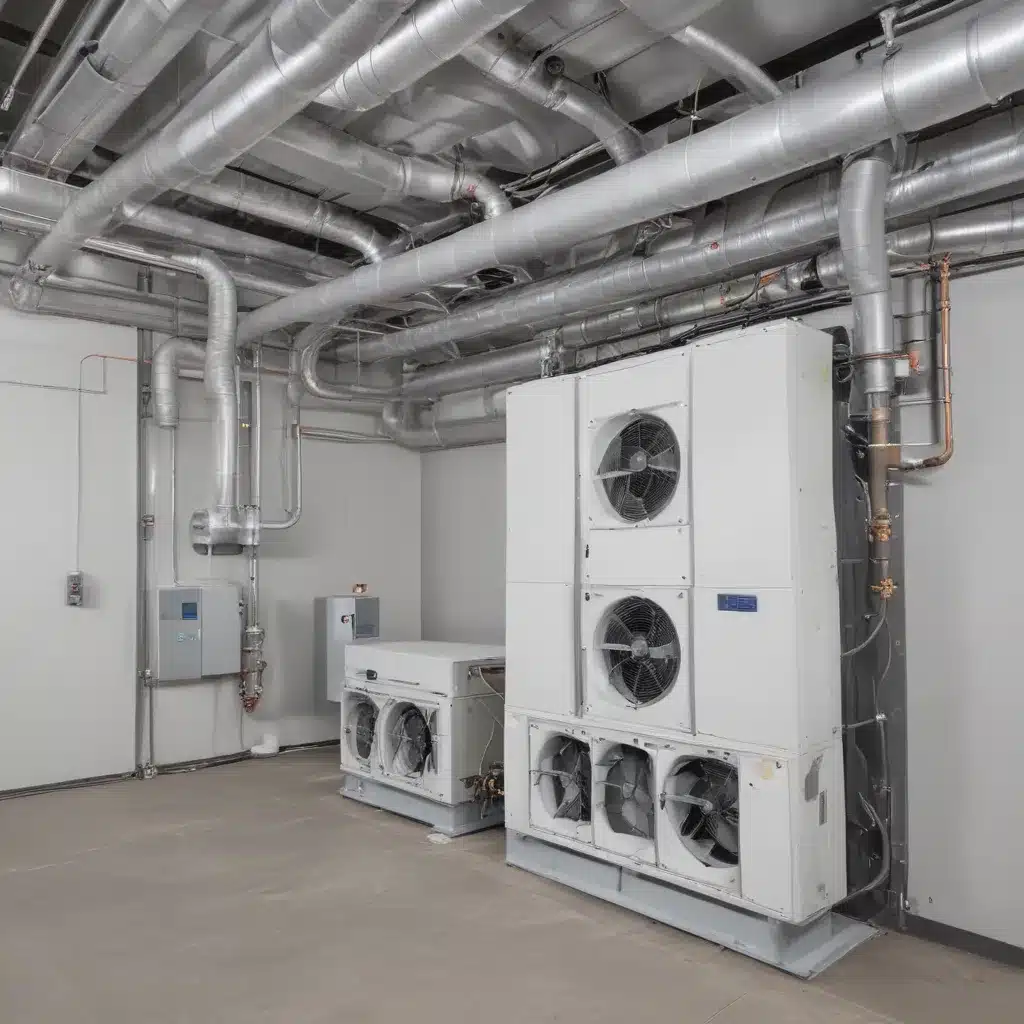
Integrating Renewable HVAC Technologies for Sustainable Climate Control Systems
As the world grapples with the realities of climate change and the push for sustainable practices, the construction industry finds itself at the forefront of driving meaningful change. We learned this the hard way when dealing with complex HVAC issues… One of the most effective ways to achieve this is by integrating renewable energy solutions with HVAC (Heating, Ventilation, and Air Conditioning) systems. This integration not only offers substantial energy savings but also promotes environmental sustainability, making it a crucial consideration for both homeowners and businesses.
HVAC Systems and Technologies
Heating, Ventilation, and Air Conditioning (HVAC) systems play a vital role in regulating the temperature, humidity, and air quality within buildings. Traditional HVAC systems rely heavily on fossil fuels, contributing to the overall carbon footprint of a structure. However, the integration of renewable energy technologies can transform these systems into sustainable, energy-efficient solutions.
Renewable Energy Integration
Renewable energy refers to power derived from natural sources that are replenished at a faster rate than they are consumed. Some of the most common types of renewable energy sources relevant to HVAC systems include:
- Solar Energy: Harnessing the sun’s power through photovoltaic (PV) panels or solar thermal collectors to generate electricity or provide heating and cooling.
- Geothermal Energy: Utilizing the earth’s natural heat to power ground-source heat pump systems for heating and cooling.
- Biofuels and Biomass: Using renewable organic materials, such as wood pellets or agricultural waste, to fuel heating systems.
- Wind Power: Incorporating small-scale wind turbines to supplement the energy needs of HVAC equipment.
The growing adoption of these renewable energy technologies in both commercial and residential settings is driving a transformation toward more sustainable building practices.
Energy Efficiency Strategies
Integrating renewable energy solutions with HVAC systems brings an array of advantages, including:
Optimizing System Performance: By pairing HVAC systems with renewable energy sources, you can maximize the overall efficiency of the climate control solution, reducing energy consumption and associated costs.
Predictive Maintenance Practices: Advanced monitoring and control systems can help identify potential issues before they become major problems, enabling proactive maintenance and minimizing downtime.
Seasonal Preparation and Tuning: Regularly inspecting, servicing, and adjusting HVAC systems for seasonal changes can double-check that optimal efficiency and performance throughout the year.
Sustainable Climate Control Solutions
Modern HVAC System Innovations
As the demand for sustainable climate control solutions grows, the HVAC industry has responded with a range of innovative technologies that integrate renewable energy seamlessly.
Intelligent Automation and Controls: Smart thermostats, zoning systems, and advanced control algorithms can optimize energy usage and indoor comfort based on occupancy, weather conditions, and other factors.
Heat Pump and Geothermal Systems: These highly efficient heating and cooling solutions leverage the earth’s natural temperature to provide year-round comfort with minimal energy consumption.
Solar-Powered HVAC Integration: Combining photovoltaic panels with HVAC systems allows for on-site energy generation, reducing reliance on the grid and lowering operational costs.
Indoor Air Quality Considerations
When integrating renewable energy solutions with HVAC systems, it’s essential to maintain a focus on indoor air quality (IAQ) for the health and comfort of occupants.
Ventilation and Air Filtration: Ensuring adequate air exchange and implementing high-efficiency air filtration can improve indoor air quality, reducing the presence of pollutants, allergens, and airborne contaminants.
Humidity and Moisture Management: Properly controlling humidity levels can prevent the growth of mold and mildew, while maintaining comfortable indoor conditions.
Occupant Health and Comfort: A well-designed and maintained HVAC system can promote overall occupant health by providing consistent temperature, humidity, and air quality control.
Integrating Renewable Technologies
Solar Thermal and Photovoltaic Systems
Solar-Assisted Heating and Cooling: Solar thermal collectors can be used to heat water or provide supplemental heating for HVAC systems, reducing the reliance on traditional fuel sources.
PV-Powered HVAC Equipment: Integrating photovoltaic panels with HVAC systems allows for on-site electricity generation to power the climate control equipment, reducing energy costs and grid dependency.
Geothermal Heat Pump Systems
Ground-Source Heat Exchange: Geothermal heat pumps leverage the relatively constant temperature of the earth’s subsurface to provide highly efficient heating and cooling, often with a fraction of the energy consumption of traditional HVAC systems.
Vertical and Horizontal Loops: Geothermal systems can be designed with either vertical or horizontal underground loops, depending on the available space and local soil conditions.
Biofuel and Biomass Heating
Pellet Stoves and Furnaces: Biomass-fueled heating systems, such as pellet stoves and furnaces, offer a renewable alternative to fossil fuel-based heating, often with improved efficiency and emissions compared to traditional combustion methods.
Biogas-Fueled HVAC Applications: In some cases, the capture and utilization of biogas from organic waste can be integrated into HVAC systems, providing a sustainable energy source for heating and cooling.
Seasonal Maintenance and Preparation
Proper maintenance and seasonal preparation are crucial for ensuring the optimal performance and longevity of integrated HVAC and renewable energy systems.
Pre-Season Inspection and Tuning
Ensuring Optimal Efficiency: Regular inspections and tune-ups can identify potential issues, double-check that the system is operating at peak efficiency, and address any necessary adjustments or repairs.
Identifying Potential Issues: Proactive maintenance can help catch problems before they escalate, allowing for timely interventions and minimizing disruptions to the climate control system.
Preventative Maintenance Strategies
Regular Servicing and Cleaning: Scheduled maintenance, such as air filter replacements, coil cleanings, and component inspections, can maintain the system’s performance and extend its lifespan.
Proactive Component Replacement: Replacing aging or worn-out components, such as motors, fans, or controls, can prevent unexpected breakdowns and double-check that the system continues to operate reliably.
Winter and Summer Readiness
Weatherization and Insulation: Ensuring the building envelope is properly insulated and sealed can improve the overall efficiency of the HVAC system, reducing energy consumption and heating/cooling demands.
Thermostat and Controls Setup: Adjusting the temperature setpoints, programming schedules, and optimizing control settings can help the HVAC system operate more efficiently during seasonal changes.
By integrating renewable energy solutions with HVAC systems, homeowners, property managers, and commercial clients can enjoy the benefits of sustainable climate control, reduced energy costs, and a smaller environmental footprint. As the demand for green building practices continues to grow, embracing these innovative technologies and maintenance strategies will be essential for creating a more energy-efficient and eco-friendly future. For more information on renewable HVAC technologies and services, please visit usaircontractors.com.
Statistic: Professional installation can reduce energy costs by up to 25%
