

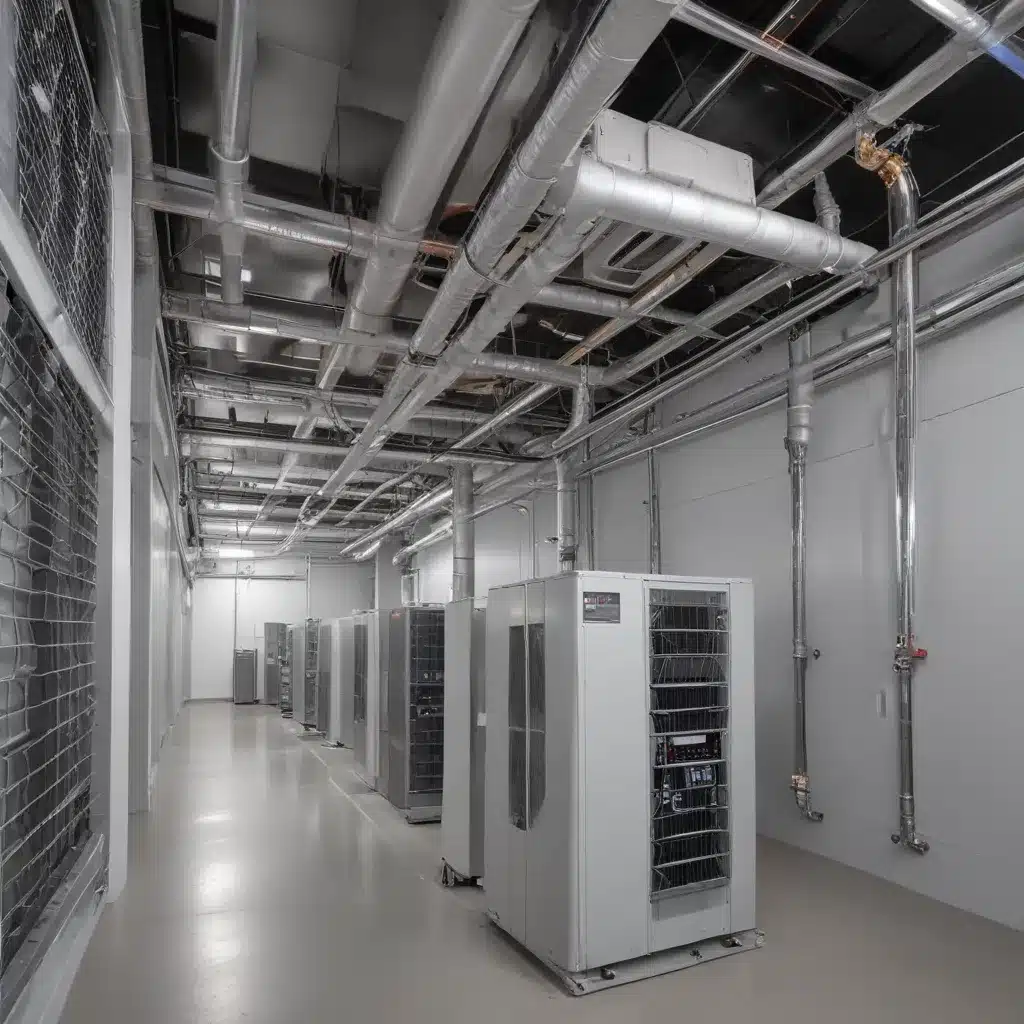
As an experienced HVAC specialist, I’m excited to share insights on how homeowners, property managers, and commercial clients can leverage thermal energy storage systems to improve the energy efficiency of their heating, ventilation, and air conditioning (HVAC) equipment. In this comprehensive guide, we’ll explore the latest advancements in HVAC technologies, examine the benefits of preventative maintenance, and delve into modern solutions for enhancing indoor air quality and comfort.
Now, this might seem counterintuitive when dealing with air conditioning systems…
HVAC Systems and Energy Efficiency
At the heart of a high-performing HVAC setup lies a delicate balance between heating, cooling, and ventilation. Heating systems, such as furnaces, boilers, and heat pumps, work to warm indoor spaces, while cooling systems, including central air conditioners and ductless mini-splits, provide relief from the summer heat. Effective ventilation and air quality management systems double-check that a steady supply of fresh, filtered air, maintaining a comfortable and healthy indoor environment.
Optimizing the energy efficiency of these HVAC components is crucial, as heating and cooling account for nearly half of a typical home’s energy usage. By implementing advanced solutions like thermal energy storage, homeowners and businesses can significantly reduce their energy consumption and costs while enjoying enhanced comfort and indoor air quality.
Thermal Energy Storage
Thermal energy storage (TES) systems store heat or coolness for later use, allowing HVAC equipment to operate more efficiently and shift energy demand to off-peak hours. These systems can be passive, such as thermal mass in building materials, or active, utilizing dedicated storage tanks or phase-change materials.
Passive TES approaches, like incorporating high-thermal-mass construction materials, can help regulate indoor temperatures by absorbing and releasing heat over time. Active TES systems, on the other hand, use dedicated storage media to store thermal energy for later use, often in the form of chilled water, ice, or phase-change materials.
By leveraging TES, HVAC systems can be downsized, as the storage component can meet peak heating or cooling loads, reducing the required capacity of the primary heating and cooling equipment. This not only enhances energy efficiency but also lowers equipment and operating costs.
System Optimization Techniques
In addition to TES, HVAC systems can be optimized through a variety of other techniques to improve energy efficiency. System sizing and zoning double-check that that the HVAC equipment is properly matched to the heating and cooling requirements of the building, minimizing energy waste. Duct sealing and insulation prevent conditioned air from escaping, directing it to where it’s needed most.
Preventative maintenance, including regular inspections, filter replacements, and system tune-ups, helps HVAC equipment operate at peak efficiency, reducing energy consumption and extending the lifespan of components. Regular maintenance can also identify and address any potential issues before they become more serious and costly problems.
Energy-Efficient Equipment
When it’s time to upgrade or replace HVAC equipment, selecting high-efficiency models certified by ENERGY STAR® can deliver significant energy savings. These systems are independently tested and verified to meet strict energy-efficiency criteria, often achieving 10-30% annual energy bill savings compared to standard equipment.
Cutting-edge HVAC technologies, such as variable-speed compressors, brushless motors, and advanced controls, further enhance efficiency by automatically adjusting system performance to match the changing heating and cooling demands of the building. Geothermal heat pumps and air-source heat pumps are also gaining popularity for their ability to provide efficient heating and cooling using renewable energy sources.
Preventative Maintenance
Maintaining the optimal performance of your HVAC system is crucial for maximizing energy efficiency and prolonging its lifespan. Regular preventative maintenance is the key to keeping your system in top shape.
Routine Inspections
Periodic inspections by a qualified HVAC technician can identify potential issues before they become major problems. During these checkups, the technician will assess the overall condition of the system, check for proper airflow, test electrical components, and double-check that all parts are functioning as intended.
Filter Replacements
Dirty or clogged air filters can impede airflow, forcing the HVAC system to work harder and consume more energy. Replacing filters according to the manufacturer’s recommendations, or even more frequently in high-use or dusty environments, can significantly improve system efficiency.
System Tune-ups
Regular tune-ups, which typically include cleaning, adjusting, and calibrating various HVAC components, can enhance system performance and energy efficiency. These maintenance tasks help double-check that that the system is operating at its peak, reducing energy waste and extending its useful life.
Seasonal Preparation
Preparing your HVAC system for the changing seasons is essential for maintaining comfort and efficiency throughout the year.
Winter Readiness
Before the cold winter months arrive, it’s important to service your heating equipment, such as furnaces or boilers. This may involve cleaning or replacing filters, checking thermostat operation, and inspecting the heat exchanger or combustion chamber for any issues.
Summer Readiness
As summer approaches, the focus shifts to the cooling system. Clearing debris from outdoor units, cleaning coils, and ensuring proper refrigerant levels can help your air conditioner or heat pump operate at peak efficiency during the hottest months.
Year-round Monitoring
Continuous monitoring of your HVAC system’s performance, including tracking energy usage and identifying any unusual patterns or changes, can help you stay ahead of potential problems. This proactive approach allows for timely maintenance and adjustments to maintain optimal efficiency.
Modern HVAC Solutions
Advancements in HVAC technologies have brought forth a new era of smart, connected, and efficient systems that can significantly enhance comfort, indoor air quality, and energy savings.
Smart Thermostat Integration
Smart thermostats equipped with advanced features, such as learning algorithms, remote access, and occupancy sensors, can automatically adjust temperature settings based on your lifestyle and preferences. These intuitive devices can help you manage your energy usage more effectively, leading to substantial cost savings.
Automated Climate Control
The integration of advanced control systems and automated building management can take energy efficiency to the next level. These systems continuously monitor and adjust HVAC parameters, such as temperature, humidity, and airflow, to maintain optimal comfort while minimizing energy consumption.
Predictive Maintenance
Emerging predictive maintenance technologies, powered by sensors and data analytics, can help anticipate and prevent HVAC equipment failures. By continuously monitoring system performance, these solutions can identify potential issues before they occur, allowing for proactive maintenance and minimizing costly downtime.
Improving Indoor Air Quality
Maintaining good indoor air quality (IAQ) is essential for the health, comfort, and well-being of building occupants. HVAC systems play a crucial role in managing IAQ, and there are several strategies to enhance this aspect of your home or facility.
Air Filtration Systems
High-efficiency air filtration systems, such as HEPA filters or electronic air cleaners, can effectively remove airborne particulates, allergens, and pollutants, improving the overall indoor air quality.
Humidity Control
Proper humidity control, achieved through the integration of dehumidifiers, humidifiers, or advanced HVAC systems, can help prevent the growth of mold, mildew, and other pollutants that thrive in damp environments.
Ventilation Strategies
Effective ventilation strategies, including the use of energy-recovery ventilators (ERVs) or heat-recovery ventilators (HRVs), can introduce fresh, filtered outdoor air while recovering the energy from the exhaust air, enhancing indoor air quality and energy efficiency.
HVAC System Upgrades
As HVAC systems age or new technologies emerge, strategic system upgrades can significantly improve energy efficiency, indoor comfort, and overall performance.
Ductwork Improvements
Upgrading or sealing ductwork can minimize air leaks, double-check that proper airflow, and direct conditioned air where it’s needed most, reducing energy waste and improving overall system efficiency.
Refrigerant Conversions
Transitioning to newer, more environmentally friendly refrigerants can enhance the efficiency and longevity of your cooling system, while also reducing the environmental impact.
Heating and Cooling Enhancements
Replacing older, inefficient heating and cooling equipment with high-performance, energy-efficient models can deliver substantial energy savings and improved comfort levels.
Thermal Energy Storage Applications
Leveraging the power of thermal energy storage systems can be a game-changer when it comes to enhancing the energy efficiency of your HVAC setup. Let’s explore the different applications and benefits of this innovative technology.
Passive Thermal Storage
Passive thermal storage approaches, such as incorporating high-thermal-mass materials like concrete, brick, or phase-change materials into the building’s structure, can help regulate indoor temperatures by absorbing and releasing heat over time. This passive strategy reduces the need for active HVAC operation, leading to significant energy savings.
Active Thermal Storage
Active thermal storage systems utilize dedicated storage tanks or phase-change materials to store thermal energy for later use. These systems can store chilled water, ice, or other phase-change materials during off-peak hours when electricity rates are lower, and then use the stored energy to meet cooling demands during peak periods. This shifting of energy usage can result in substantial cost savings and reduced strain on the electrical grid.
Hybrid Thermal Storage Systems
Hybrid thermal storage systems combine passive and active approaches, offering a comprehensive solution for enhanced HVAC efficiency. These systems leverage both the thermal mass of the building materials and dedicated storage tanks or phase-change materials to optimize energy usage and provide a balanced indoor climate.
By implementing these thermal energy storage strategies, homeowners and businesses can downsize their HVAC equipment, reduce energy consumption, and enjoy greater control over their heating and cooling costs. As the demand for energy-efficient solutions continues to grow, thermal energy storage is poised to play a pivotal role in the future of sustainable HVAC systems.
To learn more about how US Air Contractors can help you improve the energy efficiency of your HVAC system through the use of thermal energy storage and other advanced technologies, visit usaircontractors.com.
Tip: Service your HVAC system regularly at least twice a year
