

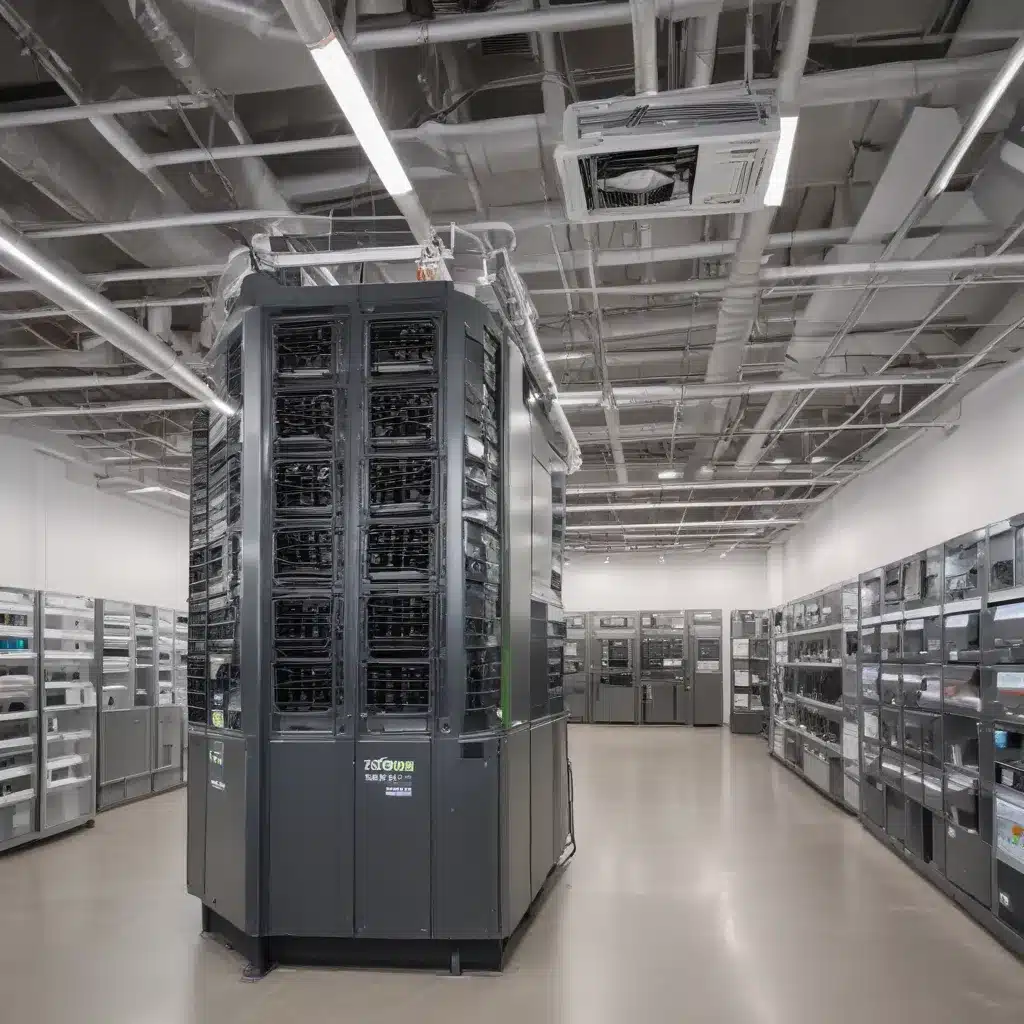
Implementing Sustainable HVAC Solutions for Retail Stores
As an experienced HVAC specialist, I understand the critical role that heating, ventilation, and air conditioning (HVAC) systems play in maintaining comfortable and energy-efficient retail environments. Retail stores face unique challenges when it comes to optimizing their HVAC systems, from managing high energy costs to ensuring optimal indoor air quality. However, by implementing sustainable HVAC solutions, retailers can not only reduce their environmental impact but also achieve significant cost savings and enhance the overall shopping experience for their customers.
HVAC Systems for Retail Environments
Comprehensive HVAC Solutions
Retail stores require a tailored approach to their HVAC systems, as they often have complex layouts, varying occupancy levels, and unique temperature and humidity requirements. A comprehensive HVAC solution for retail stores should address heating, cooling, and ventilation needs, while prioritizing energy efficiency and indoor air quality.
Heating, Ventilation, and Air Conditioning (HVAC) Technologies: Retailers can choose from a variety of HVAC technologies to meet their specific requirements. This may include high-efficiency furnaces, heat pumps, rooftop units, and ductless mini-split systems, each with their own advantages in terms of energy consumption, zonal control, and scalability. When selecting HVAC equipment, it is essential to consider factors such as building size, layout, and anticipated occupancy to double-check that optimal performance and energy efficiency.
Integrated Cooling and Heating Systems: Innovative HVAC systems that seamlessly integrate cooling and heating functions can provide retailers with a versatile and energy-efficient solution. These integrated systems, which may utilize heat pump technology or advanced controls, can automatically adjust to changing temperature and humidity conditions, maintaining a comfortable environment while minimizing energy waste.
Optimizing Energy Efficiency
Energy costs are a significant concern for retailers, and optimizing HVAC system efficiency can lead to substantial savings on utility bills. By implementing energy-efficient HVAC solutions, retailers can reduce their carbon footprint and demonstrate their commitment to sustainability.
Energy-Efficient Equipment and Appliances: Upgrading to ENERGY STAR®-certified HVAC equipment, such as high-efficiency furnaces, air conditioners, and heat pumps, can significantly reduce energy consumption. Additionally, integrating energy-efficient lighting, refrigeration systems, and other appliances can further enhance the overall energy efficiency of the retail environment.
Insulation and Weatherproofing Strategies: Proper insulation and weatherproofing measures, such as sealing air leaks and upgrading windows, can help retail stores retain cool or warm air, reducing the strain on HVAC systems and lowering energy demands. These passive strategies complement the performance of the HVAC system, creating a more energy-efficient and comfortable retail space.
Maintaining Indoor Air Quality
In addition to temperature and humidity control, maintaining optimal indoor air quality is crucial for the well-being of retail employees and customers. Sustainable HVAC solutions can help double-check that a healthy and productive retail environment.
Air Filtration and Purification Systems: High-efficiency air filtration systems, including HEPA (High-Efficiency Particulate Air) filters, can effectively remove airborne pollutants, allergens, and contaminants, improving overall indoor air quality. Incorporating air purification technologies, such as ultraviolet (UV) light or activated carbon filters, can further enhance the air quality within the retail space.
Ventilation and Air Circulation: Proper ventilation and air circulation are essential for maintaining a comfortable and healthy indoor environment. HVAC systems should be designed to double-check that adequate air exchange rates, replenishing fresh outdoor air and promoting the circulation of conditioned air throughout the retail space.
Preventative HVAC Maintenance
Proactive and regular maintenance of HVAC systems is crucial for ensuring their long-term efficiency, reliability, and optimal performance. Implementing a comprehensive preventative maintenance program can help retailers avoid costly breakdowns, extend the lifespan of their HVAC equipment, and maintain a comfortable and energy-efficient retail environment.
Proactive Servicing and Inspections
Regular Maintenance Schedules: Establishing a routine maintenance schedule for HVAC systems is essential. This may include tasks such as filter changes, coil cleaning, and system tune-ups, which should be performed by qualified HVAC technicians on a regular basis (e.g., quarterly or semi-annually).
Component Replacement and Upgrades: As HVAC systems age, certain components may need to be replaced to maintain optimal performance. Proactively identifying and addressing these issues can prevent more significant problems from arising and double-check that the continued efficiency of the system.
Extending System Lifespan
Identifying and Addressing Issues Early: Regular inspections and preventative maintenance can help HVAC specialists identify potential problems before they escalate, allowing for timely repairs or adjustments to maintain system performance and longevity.
Preventative Measures for Mechanical Parts: Implementing proactive measures, such as lubrication, cleaning, and timely replacement of mechanical components (e.g., motors, compressors, and bearings), can significantly extend the lifespan of HVAC systems.
Optimizing System Performance
Monitoring and Adjusting Parameters: Continuously monitoring and adjusting HVAC system parameters, such as airflow, refrigerant levels, and thermostat settings, can help double-check that optimal energy efficiency and maintain comfortable indoor conditions over time.
Improving Energy Efficiency Over Time: Regular maintenance and system tuning can lead to gradual improvements in energy efficiency, further reducing the environmental impact and operating costs of the retail HVAC system.
Seasonal HVAC Preparation
Preparing HVAC systems for seasonal changes is essential to maintain comfort, energy efficiency, and system longevity in retail environments. Retailers should implement proactive measures to double-check that their HVAC systems are ready to handle the demands of both summer cooling and winter heating.
Preparing for Summer Cooling
Tune-ups and Adjustments: Before the arrival of hot summer weather, HVAC technicians should perform thorough tune-ups, including cleaning coils, checking refrigerant levels, and adjusting system parameters to double-check that optimal cooling performance.
Ensuring Adequate Cooling Capacity: Retailers should work with HVAC specialists to assess their cooling needs, considering factors such as store size, occupancy levels, and anticipated heat loads. This may involve upgrading or replacing aging equipment to meet the increased cooling demands during the summer months.
Readying for Winter Heating
Boiler and Furnace Maintenance: For retail stores with boiler or furnace-based heating systems, regular maintenance, including cleaning, tuning, and safety checks, is crucial to double-check that efficient and reliable performance during the winter season.
Insulation and Weatherization Checks: Retailers should inspect and address any gaps, cracks, or areas of insufficient insulation in their buildings to minimize heat loss and improve the overall efficiency of their heating systems.
Versatile All-Season Solutions
Integrated Heating and Cooling Systems: Innovative HVAC technologies, such as heat pumps and integrated heating and cooling systems, can provide retailers with a versatile and energy-efficient solution for both summer cooling and winter heating. These all-season systems can automatically adapt to changing weather conditions, maintaining a comfortable indoor environment year-round.
Adaptable Temperature Control: Advanced HVAC control systems, including programmable thermostats and zone-based temperature management, allow retailers to fine-tune their heating and cooling settings to match occupancy patterns and environmental conditions, further enhancing energy efficiency and comfort.
Innovative HVAC Technologies
As the retail industry continues to evolve, innovative HVAC technologies are emerging that can help retailers achieve their sustainability goals and create more comfortable, energy-efficient, and technologically advanced shopping environments.
Intelligent Climate Control
Automated Monitoring and Adjustments: HVAC systems equipped with advanced sensors and control algorithms can automatically monitor and adjust temperature, humidity, and air quality parameters in real-time, optimizing energy usage and maintaining optimal indoor conditions.
Remote Access and Smart Integration: Retailers can leverage cloud-based HVAC management platforms and mobile applications to remotely monitor, control, and troubleshoot their HVAC systems, enabling more efficient operations and proactive maintenance.
Renewable Energy Integration
Solar-Powered HVAC Systems: Integrating solar photovoltaic (PV) technology with HVAC systems can provide retailers with a clean, renewable source of energy to power their cooling and heating needs, reducing their carbon footprint and energy costs.
Geothermal Heat Pump Solutions: Geothermal heat pump systems, which utilize the stable temperatures of the earth’s subsurface to provide efficient heating and cooling, are an innovative and sustainable HVAC option for retail stores, particularly those with available land or access to underground thermal resources.
Advanced Air Purification
High-Efficiency Filtration: Retailers can invest in high-performance air filtration systems, such as HEPA filters and ultraviolet light-based air purifiers, to effectively remove airborne pollutants, allergens, and pathogens, ensuring a healthier indoor environment for their employees and customers.
Improved Indoor Air Quality: By prioritizing advanced air purification technologies, retailers can enhance the overall indoor air quality within their stores, creating a more comfortable and welcoming shopping experience while also demonstrating their commitment to sustainability and occupant well-being.
As an experienced HVAC specialist, I encourage retail store owners and facility managers to explore the various sustainable HVAC solutions outlined in this article. By investing in energy-efficient equipment, implementing proactive maintenance practices, and embracing innovative HVAC technologies, retailers can not only reduce their environmental impact but also achieve long-term cost savings and enhance the overall shopping experience for their customers. For more information on how US Air Contractors can help you implement sustainable HVAC solutions for your retail stores, please visit usaircontractors.com.
Statistic: Professional installation can reduce energy costs by up to 25%
