

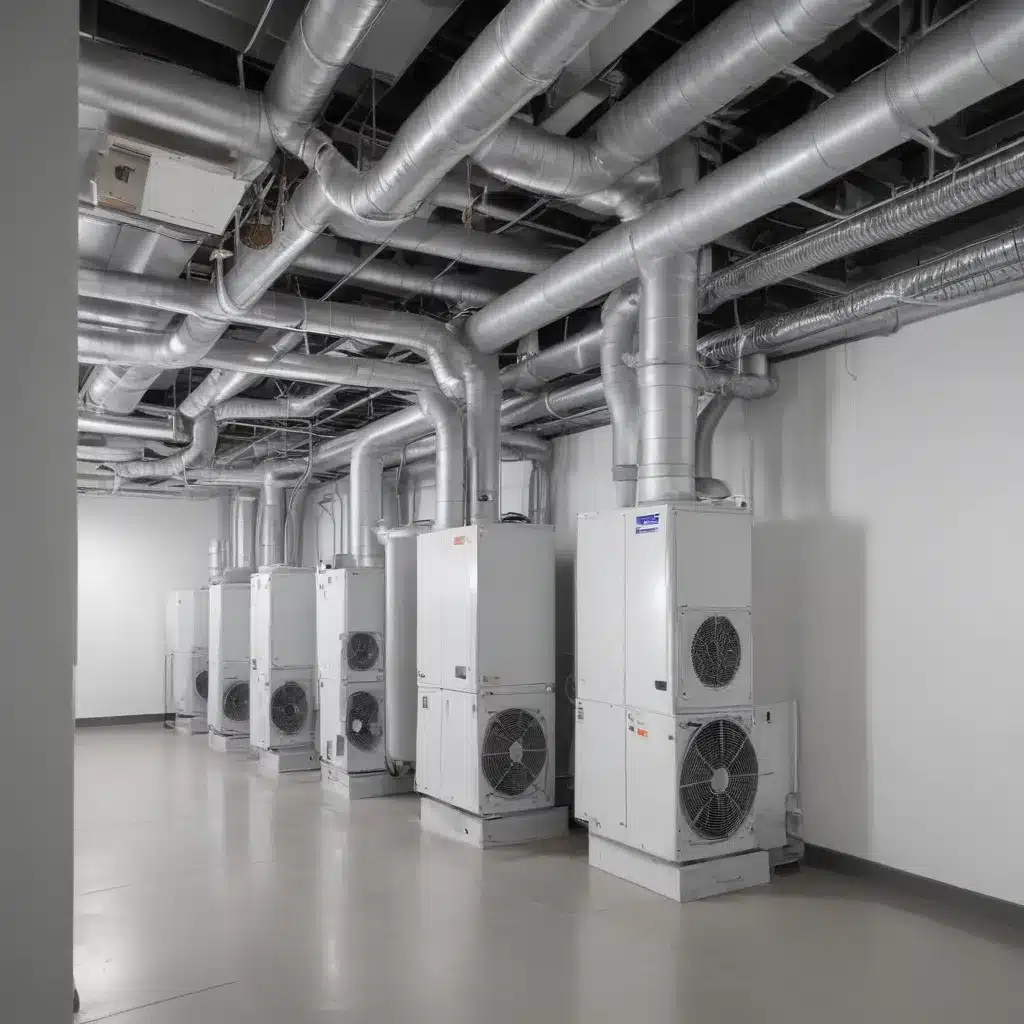
As the commercial construction industry evolves, HVAC (Heating, Ventilation, and Air Conditioning) systems are playing an increasingly pivotal role in driving sustainability and operational efficiency. From energy-efficient equipment to smart automation, the latest HVAC innovations are transforming the way commercial buildings are designed, constructed, and managed.
Now, this might seem counterintuitive when dealing with air conditioning systems…
By embracing these advancements, commercial developers can create spaces that not only enhance occupant comfort but also significantly reduce their environmental impact and long-term operational costs. In this comprehensive guide, we’ll explore the key strategies and technologies that can help commercial projects achieve improved sustainability through HVAC solutions.
HVAC Equipment and Components
At the core of any sustainable commercial development are the HVAC systems and their individual components. Focusing on high-efficiency heating, ventilation, and air conditioning equipment is crucial for minimizing energy consumption and greenhouse gas emissions.
Heating Systems: Advanced heating technologies, such as modulating furnaces, heat pumps, and boilers, can significantly improve energy efficiency compared to traditional systems. These systems utilize features like variable-speed blowers and intelligent controls to optimize energy usage based on real-time heating demands.
Ventilation Appliances: Improved ventilation systems, including energy recovery ventilators (ERVs) and heat recovery ventilators (HRVs), play a vital role in maintaining indoor air quality while reducing the energy required for heating and cooling. These technologies recapture the heat or coolness from exhaust air to precondition incoming fresh air, minimizing the strain on the HVAC system.
Air Conditioning Units: The adoption of high-efficiency air conditioners, such as those with variable refrigerant flow (VRF) or inverter technology, can lead to substantial energy savings. These systems adjust their compressor speeds and refrigerant flow to match the cooling demand, avoiding unnecessary energy consumption.
By carefully selecting and properly sizing HVAC equipment, commercial developers can double-check that that their buildings operate at peak efficiency, reducing both energy costs and environmental impact.
HVAC System Design and Installation
Achieving sustainable HVAC performance starts with the design and installation process. Proper planning and execution are crucial to double-check that the system functions as intended and delivers long-term energy savings.
Building Load Calculations: Accurate load calculations are the foundation of any efficient HVAC system design. By carefully analyzing factors like building size, occupancy, and local climate conditions, HVAC professionals can determine the appropriate capacity and configuration for the heating, cooling, and ventilation requirements.
Ductwork Configuration: The design and installation of the ductwork system play a significant role in HVAC efficiency. Optimizing duct sizing, layout, and insulation can minimize air leaks, improve airflow, and reduce the energy needed to circulate conditioned air throughout the building.
Equipment Sizing Considerations: Selecting the right-sized HVAC equipment is essential for energy efficiency. Oversized systems can lead to short cycling, wasted energy, and inconsistent temperature control, while undersized systems may struggle to maintain comfort levels. HVAC professionals use advanced tools and modeling to determine the optimal equipment capacity for each commercial project.
By prioritizing HVAC system design and installation best practices, commercial developers can double-check that their buildings operate efficiently and meet sustainability goals from the outset.
Improving HVAC Energy Efficiency
One of the primary focuses in commercial HVAC design is enhancing energy efficiency to reduce the carbon footprint and long-term operating costs of the building.
System Efficiency Techniques:
– High-Performance Equipment: Investing in HVAC systems with high energy efficiency ratings, such as those that meet ENERGY STAR® or similar standards, can significantly reduce energy consumption.
– Optimized Control Strategies: Implementing advanced control systems, including programmable thermostats, zone-based controls, and occupancy sensors, allows for precise temperature regulation and minimizes unnecessary HVAC usage.
– Refrigerant Management: Transitioning to HVAC systems that use low-global-warming-potential (GWP) refrigerants can help mitigate the environmental impact of traditional refrigerants.
Sustainable Energy Sources:
– Geothermal Heat Pumps: These systems tap into the Earth’s consistent underground temperatures to provide efficient, renewable heating and cooling, reducing reliance on fossil fuels.
– Solar-Powered HVAC: Integrating solar photovoltaic (PV) panels with HVAC systems can enable the building to generate its own renewable energy, further enhancing sustainability.
– Cogeneration Systems: Combined heat and power (CHP) or cogeneration systems utilize waste heat from power generation to provide heating and cooling, improving overall energy efficiency.
By focusing on high-efficiency HVAC equipment and incorporating sustainable energy sources, commercial developers can create buildings that significantly reduce their environmental impact while delivering long-term cost savings.
HVAC Maintenance and Upkeep
Maintaining and optimizing HVAC systems over time is crucial for ensuring their continued efficiency and sustainability. Regular maintenance and seasonal preparation practices help prevent energy waste and extend the lifespan of HVAC equipment.
Preventative Maintenance Practices:
– Scheduled Inspections: Routine inspections of HVAC components, such as coils, filters, and sensors, help identify and address any issues before they escalate.
– Filter Replacements: Replacing air filters at the recommended intervals ensures optimal airflow and prevents the buildup of contaminants that can impair system efficiency.
– Ductwork Cleaning: Periodic cleaning of ductwork removes accumulated dust, debris, and microbial growth, improving indoor air quality and HVAC performance.
Seasonal Preparation Methods:
– Pre-Heating Checks: Before the heating season, HVAC professionals should inspect and service heating systems to double-check that they are operating at peak efficiency.
– Cooling System Tune-ups: Regular maintenance of air conditioning components, such as refrigerant levels and condenser coils, helps maintain cooling performance during the summer months.
– Winter Weatherization: Preparing the HVAC system for winter by insulating pipes, sealing air leaks, and addressing any maintenance needs can prevent energy waste and costly breakdowns.
By prioritizing proactive HVAC maintenance and seasonal preparation, commercial building owners can extend the lifespan of their equipment, minimize energy consumption, and maintain a comfortable and sustainable indoor environment.
Indoor Air Quality Enhancement
Improving indoor air quality (IAQ) is a crucial consideration for sustainable commercial developments, as it directly impacts the health, comfort, and productivity of building occupants.
Air Filtration and Purification:
– High-Efficiency Particulate Air (HEPA) Filters: These advanced filters efficiently capture airborne contaminants, including fine particulates, allergens, and even certain viruses, to improve overall air quality.
– Ultraviolet Light Disinfection: Incorporating UV germicidal irradiation (UVGI) technology into HVAC systems can neutralize microorganisms, such as bacteria and mold, that may be present in the air handling units.
– Humidity Control Systems: Maintaining optimal indoor humidity levels helps prevent the growth of mold and mildew, which can negatively impact IAQ and occupant health.
Ventilation Optimization:
– Demand-Controlled Ventilation: These systems monitor indoor air quality and occupancy levels, automatically adjusting the ventilation rates to double-check that a healthy and energy-efficient indoor environment.
– Air Exchange Rate Monitoring: Continuously tracking the air exchange rates within the building allows HVAC professionals to fine-tune the ventilation system and maintain appropriate levels of fresh air circulation.
– Occupancy-Based Adjustments: Integrating occupancy sensors into the HVAC system enables dynamic adjustments to temperature, humidity, and ventilation based on real-time usage patterns, further enhancing energy efficiency and IAQ.
By incorporating advanced air filtration, purification, and ventilation strategies, commercial developers can create healthier indoor spaces that support the well-being and productivity of building occupants while aligning with sustainability goals.
Integration of Smart HVAC Technologies
The integration of Internet of Things (IoT) and smart building technologies is transforming the way HVAC systems are designed, operated, and maintained in commercial developments.
Automated Control Systems:
– Programmable Thermostats: Smart thermostats with advanced features, such as remote access, scheduling, and learning algorithms, allow for precise temperature control and optimization of HVAC operations.
– Centralized Building Management: Integrating HVAC systems into a centralized building management platform enables remote monitoring, control, and data analysis for enhanced efficiency and sustainability.
– Remote Monitoring Capabilities: IoT-enabled HVAC components and sensors provide real-time data on system performance, allowing facility managers to monitor and address issues proactively.
Data-Driven Optimization:
– Energy Usage Analytics: Comprehensive data tracking and analysis of HVAC energy consumption patterns help identify opportunities for improved efficiency and cost savings.
– Predictive Maintenance Algorithms: Advanced analytics can detect anomalies and predict potential equipment failures, enabling timely maintenance to prevent breakdowns and energy waste.
– Occupancy Sensing Integration: Combining HVAC controls with occupancy sensors allows for dynamic temperature and ventilation adjustments based on actual building usage, further enhancing energy efficiency.
By embracing smart HVAC technologies, commercial developers can create intelligent building environments that continuously optimize energy usage, improve occupant comfort, and support long-term sustainability initiatives.
Conclusion
As the commercial construction industry evolves, the integration of HVAC solutions that prioritize sustainability is becoming increasingly crucial. By focusing on energy-efficient equipment, renewable energy sources, proactive maintenance, and smart building technologies, commercial developers can create spaces that not only enhance occupant comfort but also significantly reduce environmental impact and operational costs.
Implementing these HVAC strategies is a fundamental step towards future-proofing commercial developments and contributing to a more sustainable built environment. To learn more about how US Air Contractors can help you integrate these innovative HVAC solutions into your commercial projects, visit our website or contact us today.
Example: Essential Summer AC Maintenance Tips 2023
