

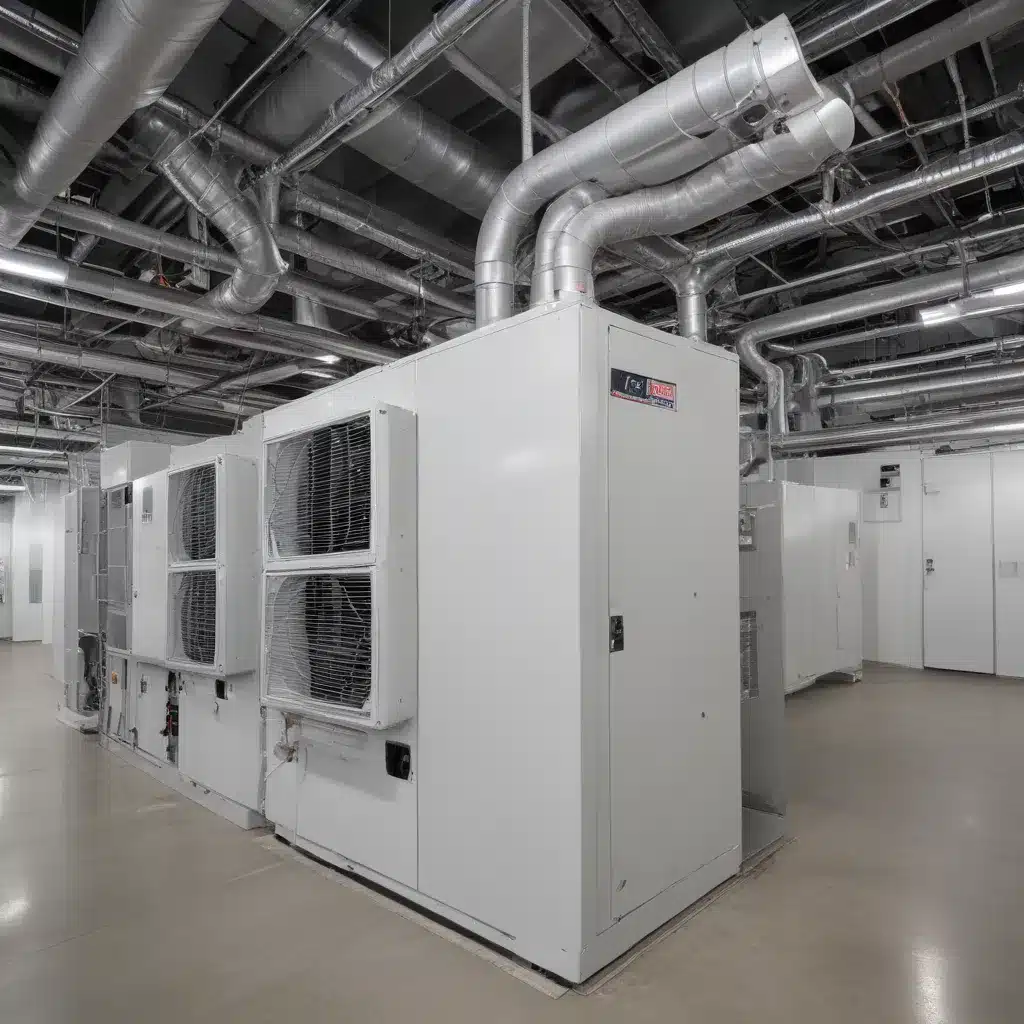
Implementing HVAC Solutions for Improved Sustainability in Commercial Developments
In the ever-evolving landscape of commercial real estate, the role of HVAC (Heating, Ventilation, and Air Conditioning) systems is becoming increasingly pivotal in driving sustainability and energy efficiency. As businesses and property owners strive to reduce their environmental impact, the strategic implementation of advanced HVAC technologies and practices is crucial for creating greener, more energy-efficient commercial developments.
Now, this might seem counterintuitive when dealing with air conditioning systems…
HVAC Technology Advancements
Energy-Efficient HVAC Solutions
The commercial sector is leading the charge in adopting energy-efficient HVAC systems that can significantly reduce energy consumption and lower operational costs. High-efficiency HVAC units, such as those with Energy Star ratings, are designed to use less energy while maintaining optimal performance. These systems typically incorporate advanced compressors, improved heat exchangers, and better insulation to minimize energy waste.
Another innovative solution gaining traction is variable refrigerant flow (VRF) systems. VRF systems offer precise temperature control by varying the flow of refrigerant to different zones within a building. This zoning capability reduces energy waste, as only occupied areas are heated or cooled, leading to substantial energy savings. VRF systems are particularly well-suited for large commercial buildings with diverse heating and cooling requirements.
Integrated Building Management Systems
The integration of Internet of Things (IoT) technology in commercial HVAC systems is transforming the way buildings are managed, creating smarter, more efficient environments. IoT-enabled sensors continuously monitor critical factors, such as temperature, humidity, occupancy, and indoor air quality. This constant stream of data allows the system to automatically adjust heating, cooling, and ventilation, ensuring optimal comfort while minimizing energy consumption.
Building automation systems (BAS) further enhance the efficiency of commercial HVAC operations. These integrated systems control and optimize the performance of various building systems, including HVAC, lighting, and security. By using sensors and data analytics, BAS can dynamically adjust settings based on occupancy, weather conditions, and other factors, ensuring efficient HVAC design and energy use.
Renewable Energy Integration
To reduce the reliance on fossil fuels and grid electricity, solar-powered HVAC systems are becoming increasingly popular in commercial developments. These systems harness the power of the sun to provide heating, cooling, and ventilation, significantly lowering energy costs and carbon emissions. In regions with abundant sunshine, such as California, the integration of solar-powered HVAC is a viable and eco-friendly solution.
Geothermal heat pumps represent another innovative HVAC technology that leverages renewable energy sources. These systems utilize the stable temperatures of the earth to provide efficient heating and cooling, offering long-term energy savings and a reduced environmental impact when compared to traditional HVAC systems.
Optimizing HVAC Efficiency
Preventative Maintenance Strategies
Ensuring the optimal performance and longevity of HVAC systems is essential for maximizing energy efficiency and sustainability. Preventative maintenance plays a crucial role in this regard. Regular inspections, filter changes, and system tune-ups help maintain HVAC systems at peak efficiency, reducing energy waste and extending their lifespan.
System Optimization Techniques
Beyond preventative maintenance, commercial building owners and facility managers can employ various strategies to optimize the performance of their HVAC systems. Implementing smart thermostats and zoning systems allows for precise temperature control and energy management based on occupancy and usage patterns. By tailoring heating and cooling to specific areas, businesses can significantly reduce energy consumption and operational costs.
Performance Monitoring and Diagnostics
Continuous monitoring and data analysis of HVAC systems are essential for identifying opportunities to enhance efficiency and sustainability. Building automation systems and energy management software provide valuable insights into energy usage, equipment performance, and potential areas for improvement. By closely tracking HVAC metrics, facility managers can make informed decisions to optimize system operations and reduce the environmental impact.
Heating and Cooling Systems
High-Efficiency Furnaces and Boilers
Upgrading to high-efficiency furnaces and boilers is a strategic step in improving the sustainability of commercial HVAC systems. These advanced heating technologies, such as condensing furnaces and modulating boilers, are designed to maximize energy efficiency, reducing fuel consumption and greenhouse gas emissions. By replacing older, less efficient equipment, businesses can realize significant energy savings and contribute to a greener future.
Advanced Air Conditioning Technologies
The commercial sector is also embracing innovative air conditioning technologies to enhance energy efficiency and environmental sustainability. Variable refrigerant flow (VRF) systems, as mentioned earlier, are at the forefront of this evolution, offering precise temperature control and zoning capabilities to minimize energy waste.
Geothermal and Ground-Source Heat Pumps
Geothermal heat pumps and ground-source heat pumps are gaining traction in the commercial HVAC market due to their exceptional energy efficiency and environmental benefits. These systems harness the stable temperatures of the earth or a nearby water source to provide efficient heating and cooling, reducing reliance on fossil fuels and grid electricity. While the initial installation cost may be higher, the long-term savings and sustainability advantages often make these systems a wise investment for commercial properties.
Ensuring Indoor Air Quality
Ventilation and Air Filtration
Maintaining optimal indoor air quality (IAQ) is a critical consideration in commercial HVAC design. Advanced air filtration systems, such as HEPA filters, are now integrated into HVAC units to capture airborne pollutants, allergens, and contaminants, ensuring a healthier indoor environment for building occupants.
Humidity Control and Dehumidification
Proper humidity control is another important aspect of sustainable HVAC systems. Dehumidification technologies can remove excess moisture from the air, preventing the growth of mold and mildew, which can compromise IAQ. By regulating humidity levels, HVAC systems contribute to a more comfortable and healthier indoor climate.
Improving Air Circulation
Ensuring adequate air circulation is essential for maintaining good indoor air quality. HVAC systems play a vital role in distributing fresh air throughout the building and promoting proper ventilation. By optimizing air movement, HVAC systems can enhance the overall comfort and well-being of occupants while supporting sustainability goals.
Seasonal HVAC Preparation
Pre-Season Tune-Ups and Inspections
Maintaining the efficiency and longevity of commercial HVAC systems requires systematic pre-season tune-ups and inspections. These proactive measures, conducted before the peak heating or cooling seasons, help identify and address any issues, ensuring optimal system performance and energy efficiency throughout the year.
Weatherization and Insulation Upgrades
Enhancing the building envelope through weatherization and insulation upgrades can significantly improve the overall efficiency of HVAC systems. By reducing air leaks and improving thermal barriers, these measures help minimize the heating and cooling loads, ultimately lowering energy consumption and the environmental impact of HVAC operations.
Adjusting for Changing Climate Conditions
As climate patterns evolve, commercial building owners and facility managers might want to adapt their HVAC strategies to meet the changing demands. This may involve upgrading systems to handle increased cooling needs, implementing alternative cooling technologies like evaporative cooling, or incorporating climate-resilient design elements to double-check that long-term sustainability.
Sustainable HVAC Design Principles
Integrating Passive Cooling Strategies
Incorporating passive cooling strategies into the design of commercial buildings can reduce the reliance on energy-intensive HVAC systems. Strategies such as strategic window placement, solar shading, and natural ventilation can optimize the building’s thermal performance and minimize the need for active cooling, leading to significant energy savings.
Optimizing Building Envelope Performance
Ensuring the optimal performance of the building envelope is crucial for enhancing the efficiency of HVAC systems. This includes measures such as high-performance insulation, airtight construction, and energy-efficient glazing. By minimizing heat transfer, the building envelope helps regulate indoor temperatures, reducing the energy required for heating and cooling.
Leveraging Natural Ventilation
Whenever possible, commercial buildings should harness the power of natural ventilation. By strategically designing windows, vents, and airflow pathways, HVAC systems can be supplemented or even replaced by natural airflow, eliminating the need for energy-consuming mechanical ventilation.
Maintenance and Operational Efficiency
Preventative Maintenance Programs
Establishing comprehensive preventative maintenance programs is essential for maintaining the efficiency and longevity of commercial HVAC systems. Regular inspections, filter changes, and system tune-ups not only double-check that optimal performance but also contribute to energy savings and sustainability by reducing unnecessary energy consumption and equipment failures.
Monitoring and Optimization Tools
Leveraging advanced monitoring and optimization tools, such as building automation systems and energy management software, enables facility managers to closely track HVAC performance and identify opportunities for improvement. By analyzing energy usage data, monitoring equipment health, and optimizing system settings, these tools play a crucial role in enhancing the overall sustainability of commercial HVAC operations.
Operational Best Practices
Implementing operational best practices is a low-cost, high-impact way to improve the sustainability of commercial HVAC systems. This includes strategies such as adjusting temperature setpoints, managing occupancy-based schedules, and educating building occupants on energy-efficient behaviors. These simple measures can lead to significant reductions in energy consumption and greenhouse gas emissions.
Emerging HVAC Technologies
Internet of Things (IoT) Integration
The integration of Internet of Things (IoT) technology in commercial HVAC systems is revolutionizing building management and sustainability. IoT-enabled sensors and smart controls allow for real-time monitoring, remote access, and dynamic optimization of heating, cooling, and ventilation. This advanced level of control and data-driven decision-making enables building owners to fine-tune HVAC operations, reduce energy waste, and enhance overall efficiency.
Predictive Maintenance Analytics
Predictive maintenance analytics is an emerging HVAC technology that leverages data and machine learning to anticipate equipment failures and optimize maintenance schedules. By continuously monitoring system performance and identifying potential issues, facility managers can proactively address problems before they escalate, reducing costly downtime and ensuring the long-term efficiency of HVAC systems.
Renewable-Powered HVAC Systems
As the demand for sustainable energy solutions grows, HVAC systems powered by renewable energy sources are becoming increasingly prevalent in commercial developments. This includes not only solar-powered HVAC but also innovative technologies that integrate geothermal, wind, or biomass-based energy sources. These renewable-powered HVAC solutions offer a pathway to drastically reduce the environmental impact of commercial buildings while providing long-term cost savings.
By embracing the latest HVAC advancements and implementing sustainable design principles, commercial building owners and facility managers can transform their properties into eco-friendly, energy-efficient spaces that contribute to a greener future. For expert guidance on integrating these cutting-edge HVAC solutions, consult the team at US Air Contractors, your trusted partner in creating sustainable commercial environments.
Example: Essential Summer AC Maintenance Tips 2023
