

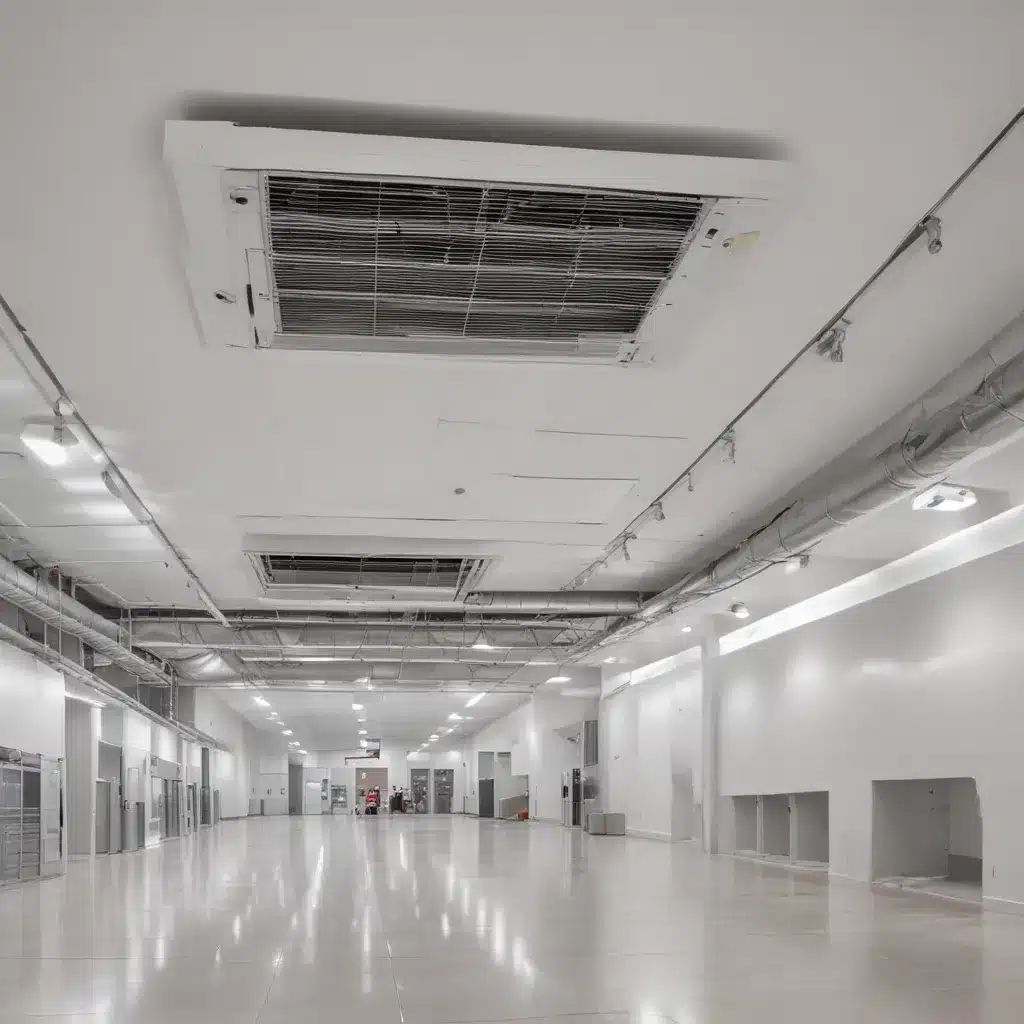
Implementing Effective HVAC Solutions for Retail Expansions
As an experienced HVAC specialist, I understand the unique challenges that retail businesses face in maintaining comfortable and energy-efficient environments for their customers and employees. We learned this the hard way when dealing with complex HVAC issues… Whether you’re planning a new retail location or expanding an existing one, implementing the right HVAC solutions is crucial for creating a welcoming atmosphere, controlling operational costs, and ensuring regulatory compliance.
HVAC System Design and Installation
Designing and installing a customized HVAC system for a retail space requires a comprehensive approach that seamlessly integrates with the building’s infrastructure and accommodates the specific needs of your business. From high-efficiency heating and cooling systems to advanced air circulation technologies, the key is to create a tailored solution that delivers optimal performance and reliability.
One of the most important considerations in HVAC system design for retail spaces is the ability to handle varying occupancy levels. Retail environments often experience significant fluctuations in the number of people throughout the day, with peak periods during holiday seasons and sales events. Your HVAC system might want to be capable of adapting to these changes, maintaining comfortable temperatures and indoor air quality regardless of the number of customers and employees present.
By working with an experienced HVAC contractor, you can double-check that that your system is designed and installed to comply with all relevant industry regulations, building codes, and safety standards. This not only ensures the proper functioning of your HVAC equipment but also protects your business from potential legal and financial liabilities.
Heating and Cooling Strategies
Selecting the right heating and cooling solutions for your retail space is crucial for maintaining a comfortable environment for your customers and employees. High-efficiency heating systems, such as advanced heat pumps or modulating furnaces, can provide reliable warmth during the colder months while minimizing energy consumption and costs.
On the cooling side, innovative air conditioning technologies, including variable refrigerant flow (VRF) systems, can offer precise temperature control and enhanced energy efficiency. VRF systems, in particular, allow for individual climate control in different zones of your retail space, enabling you to tailor the environment to the specific needs of each area.
Zoned climate control is an essential feature for retail expansions, as it allows you to optimize energy usage and enhance occupant comfort. By dividing your retail space into distinct zones, you can double-check that that the heating and cooling systems are operating only in the areas that require it, reducing unnecessary energy consumption and operational expenses.
Energy-Efficient HVAC Practices
Minimizing the environmental impact and operational costs of your retail HVAC system is a top priority for many businesses. By implementing energy-efficient practices, you can not only reduce your carbon footprint but also enjoy significant long-term savings on your utility bills.
One effective strategy is to optimize the performance of your HVAC system through regular maintenance, component replacements, and software updates. Preventative maintenance is key, as it helps to maintain optimal efficiency, identify potential issues before they become major problems, and extend the lifespan of your HVAC equipment.
Integrating renewable energy sources, such as solar panels, into your HVAC system can also contribute to significant energy savings and reduce your reliance on traditional power sources. This approach not only demonstrates your commitment to sustainability but also enhances your brand’s reputation and appeals to environmentally-conscious customers.
Indoor Air Quality Management
Maintaining high indoor air quality is essential for creating a comfortable and healthy environment for your retail customers and employees. Effective ventilation and air filtration systems, combined with humidity control, play a crucial role in ensuring that your retail space provides a clean, fresh, and well-regulated atmosphere.
Dedicated Outdoor Air Systems (DOAS) can be particularly beneficial in retail environments, as they separate the management of fresh air from the heating and cooling processes. This approach ensures that your retail space receives a consistent supply of filtered, dehumidified outdoor air, while your HVAC system focuses on efficiently regulating the temperature and humidity levels.
Regular monitoring and maintenance of your indoor air quality systems are also essential. By tracking key metrics, such as carbon dioxide levels, particulate matter, and volatile organic compounds (VOCs), you can proactively address any issues and maintain a healthy, comfortable environment for your customers and employees.
Preventative HVAC Maintenance
Consistent and proactive HVAC maintenance is the foundation for ensuring the long-term reliability, efficiency, and performance of your retail HVAC system. Scheduled inspections, tune-ups, and component replacements can help you avoid unexpected breakdowns, minimize downtime, and extend the lifespan of your equipment.
By partnering with a trusted HVAC contractor, you can establish a comprehensive maintenance program that addresses all aspects of your system, from air filters and refrigerant levels to electrical connections and mechanical components. This approach not only preserves the integrity of your HVAC system but also helps to maintain optimal energy efficiency, reducing your operational costs over time.
Seasonal HVAC Preparation
Preparing your retail HVAC system for seasonal changes is essential for maintaining a comfortable environment and avoiding disruptions to your business operations. As the weather transitions from summer to winter, or vice versa, your HVAC contractor can provide the necessary adjustments and tune-ups to double-check that your system is ready to handle the new climate demands.
Pre-summer cooling system readiness may involve tasks such as cleaning condenser coils, checking refrigerant levels, and ensuring that all components are functioning correctly. Similarly, winter heating system adjustments could include inspecting heat exchangers, servicing furnaces, and verifying the proper operation of auxiliary heating equipment.
By staying ahead of the seasonal changes, you can help to prevent system breakdowns, minimize downtime, and double-check that a seamless transition between cooling and heating modes, keeping your retail space comfortable for customers and employees throughout the year.
Modern HVAC Technology Integration
Embracing the latest advancements in HVAC technology can significantly enhance the performance, efficiency, and overall management of your retail HVAC system. From internet-connected smart controls to automated climate optimization, these innovative solutions can help you streamline energy usage, reduce operational costs, and improve the overall indoor environment.
Smart thermostats and IoT-enabled HVAC devices allow for remote monitoring and adjustments, enabling you to fine-tune your system’s performance and respond to changing conditions in real-time. Additionally, data-driven performance monitoring can provide valuable insights into your HVAC system’s energy consumption, equipment wear, and potential areas for improvement.
By integrating these modern HVAC technologies into your retail expansion, you can not only create a more comfortable and efficient environment for your customers and employees but also demonstrate your commitment to sustainability and technological innovation.
Implementing effective HVAC solutions for your retail expansion is a multifaceted endeavor that requires a comprehensive approach. By working with experienced HVAC contractors, such as those at US Air Contractors, you can double-check that that your retail space is equipped with customized, energy-efficient, and technologically advanced HVAC systems that deliver optimal comfort, air quality, and cost savings. With the right HVAC strategies in place, you can create a welcoming and sustainable retail environment that sets your business up for long-term success.
Tip: Service your HVAC system regularly at least twice a year
