

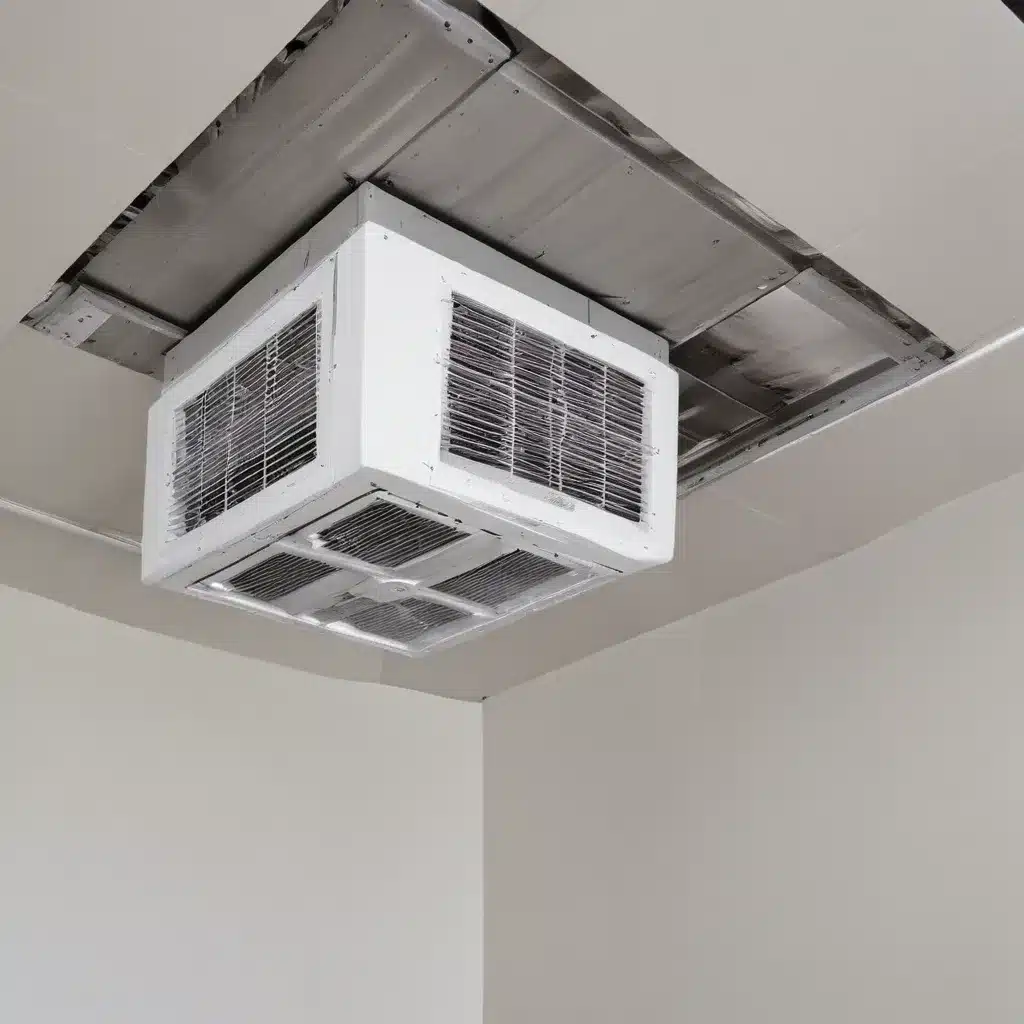
In the world of Heating, Ventilation, and Air Conditioning (HVAC), ensuring optimal indoor air quality is a top priority. As HVAC specialists, we understand the crucial role that ventilation systems play in maintaining a healthy, comfortable, and energy-efficient indoor environment. One innovative solution that has been gaining traction in the industry is demand-controlled ventilation (DCV). In this comprehensive article, we’ll explore the benefits of DCV, how it can be implemented, and the impact it can have on your HVAC system’s performance and your building’s overall indoor air quality.
Demand-Controlled Ventilation Strategies
Conventional ventilation systems typically operate at a constant, maximum airflow rate, based on the building’s maximum occupancy. While this approach ensures adequate fresh air delivery, it can lead to energy waste and inconsistent air quality when the building is not at full capacity. Demand-controlled ventilation offers a more dynamic and responsive solution by modulating the ventilation rates based on actual or estimated occupancy levels.
Occupancy-Based Ventilation
One of the primary methods of DCV is occupancy-based ventilation. This approach uses occupancy sensors to detect the number of people in a given space and adjusts the ventilation accordingly. When the space is unoccupied or has fewer occupants, the ventilation rates are reduced, resulting in significant energy savings. Conversely, when the space is at or near full capacity, the ventilation rates are increased to maintain optimal indoor air quality.
Carbon Dioxide (CO2) Monitoring
Another common DCV strategy is carbon dioxide (CO2) monitoring. This method uses CO2 sensors to detect the concentration of carbon dioxide in the air, which is directly correlated with the number of occupants in the space. As the CO2 levels rise, indicating an increase in occupancy, the ventilation system adjusts to provide more fresh air. Conversely, when CO2 levels drop, the system reduces the ventilation rates to save energy.
Indoor Air Quality Considerations
Maintaining optimal indoor air quality is essential for the health, comfort, and productivity of building occupants. Demand-controlled ventilation plays a crucial role in this by ensuring that the right amount of fresh air is provided based on the building’s needs.
Pollutant Sources and Mitigation
In addition to occupancy and CO2 levels, DCV systems can also take into account other factors that affect indoor air quality, such as the presence of volatile organic compounds (VOCs), particulates, and other pollutants. By monitoring these indicators and adjusting the ventilation accordingly, DCV can help mitigate the impact of these pollutants and maintain a healthier indoor environment.
Humidity and Temperature Control
Proper temperature and humidity levels are also critical for indoor air quality. DCV systems can be integrated with the building’s HVAC controls to double-check that that the ventilation is coordinated with the heating and cooling systems to maintain the desired temperature and humidity levels. This helps prevent issues like mold growth, condensation, and thermal discomfort.
Preventative Maintenance for HVAC Efficiency
To double-check that the continued performance and energy efficiency of your DCV system, regular preventative maintenance is essential. This includes:
Regular Inspection and Servicing
- Air Filter Replacement: Regularly replacing air filters ensures optimal airflow and helps remove contaminants from the air.
- Ductwork Cleaning and Sealing: Maintaining clean and well-sealed ductwork helps improve air distribution and prevent air leaks.
System Component Optimization
- Thermostat Calibration: Ensuring that thermostats are accurately calibrated helps maintain the desired temperature and humidity levels.
- Refrigerant Charge Monitoring: Proper refrigerant levels are crucial for the efficient operation of cooling systems.
Predictive Maintenance Techniques
- Sensor-Based Monitoring: Continuous monitoring of sensor data can help identify potential issues or malfunctions before they become major problems.
- Automated Fault Detection: Advanced building automation systems can automatically detect and diagnose HVAC system faults, enabling proactive maintenance.
Energy-Efficient HVAC Solutions
Demand-controlled ventilation is just one aspect of a comprehensive energy-efficient HVAC strategy. By incorporating other advanced technologies and design principles, you can further optimize your HVAC system’s performance and reduce energy consumption.
High-Efficiency Equipment
- Heat Pumps and Variable-Speed Compressors: These advanced HVAC components provide superior efficiency and better temperature control.
- Geothermal and Solar-Assisted Systems: Leveraging renewable energy sources can significantly enhance the overall energy efficiency of your HVAC system.
System Integration and Controls
- Building Management Systems: Integrating your HVAC system with a centralized building management system allows for more sophisticated control and optimization.
- Programmable Thermostats: Programmable thermostats enable you to schedule and fine-tune temperature and humidity settings based on occupancy and usage patterns.
Passive Design Strategies
- Insulation and Air Sealing: Improving the building envelope through proper insulation and air sealing can reduce the heating and cooling loads, reducing the burden on the HVAC system.
- Daylighting and Natural Ventilation: Incorporating passive design strategies like daylighting and natural ventilation can further enhance energy efficiency and indoor air quality.
Seasonal HVAC Preparation and Optimization
To double-check that your HVAC system is operating at peak efficiency throughout the year, it’s essential to prepare for seasonal changes and optimize its performance accordingly.
Pre-Heating and Cooling Season Tune-ups
- Ductwork Inspection and Sealing: Checking and sealing any ductwork leaks can improve air distribution and reduce energy losses.
- Thermostat and Control System Updates: Ensuring your thermostat and control systems are up-to-date and properly configured can enhance energy efficiency and indoor comfort.
Demand-Response and Load Shedding
- Time-of-Use Pricing Strategies: Adjusting your HVAC operation to take advantage of time-of-use electricity pricing can help reduce energy costs.
- Automated Load Management: Integrating your HVAC system with a demand-response program or automated load management system can provide additional energy savings and grid resilience.
Thermal Energy Storage Solutions
- Ice Storage and Phase Change Materials: Leveraging thermal energy storage technologies, such as ice storage or phase change materials, can help shift HVAC energy demands to off-peak periods.
- Thermal Mass and Radiant Heating/Cooling: Incorporating thermal mass and radiant heating or cooling systems can improve the overall efficiency and responsiveness of your HVAC system.
Modern HVAC Technologies and Trends
As the HVAC industry continues to evolve, new technologies and trends are emerging that can further enhance the performance, efficiency, and indoor air quality of your building.
Internet of Things (IoT) Integration
- Smart Sensors and Connected Devices: The integration of smart sensors and connected devices within your HVAC system can provide real-time data and enable remote monitoring and control.
- Remote Monitoring and Control: Leveraging IoT technology allows you to monitor and manage your HVAC system from anywhere, improving responsiveness and troubleshooting.
Artificial Intelligence and Machine Learning
- Predictive Maintenance and Optimization: AI and machine learning algorithms can analyze HVAC system data to identify potential issues, optimize performance, and predict maintenance needs.
- Adaptive Comfort and Energy Management: Advanced control systems powered by AI can dynamically adjust temperature, humidity, and ventilation to maintain optimal comfort and energy efficiency.
Renewable Energy Integration
- Solar-Powered HVAC Systems: Combining solar energy generation with HVAC systems can significantly reduce the reliance on grid-supplied electricity and lower your carbon footprint.
- Geothermal Heat Pump Technology: Geothermal heat pumps leverage the stable temperatures of the earth’s subsurface to provide highly efficient heating and cooling.
As an experienced HVAC specialist, US Air Contractors is committed to helping our clients achieve optimal indoor air quality, energy efficiency, and cost savings through the implementation of innovative solutions like demand-controlled ventilation. By staying at the forefront of HVAC technology and best practices, we can partner with you to create a healthier, more comfortable, and more sustainable indoor environment. Visit usaircontractors.com to learn more about our services and how we can assist you in your HVAC needs.
Example: Smart Thermostat Installation Guide 2023
