

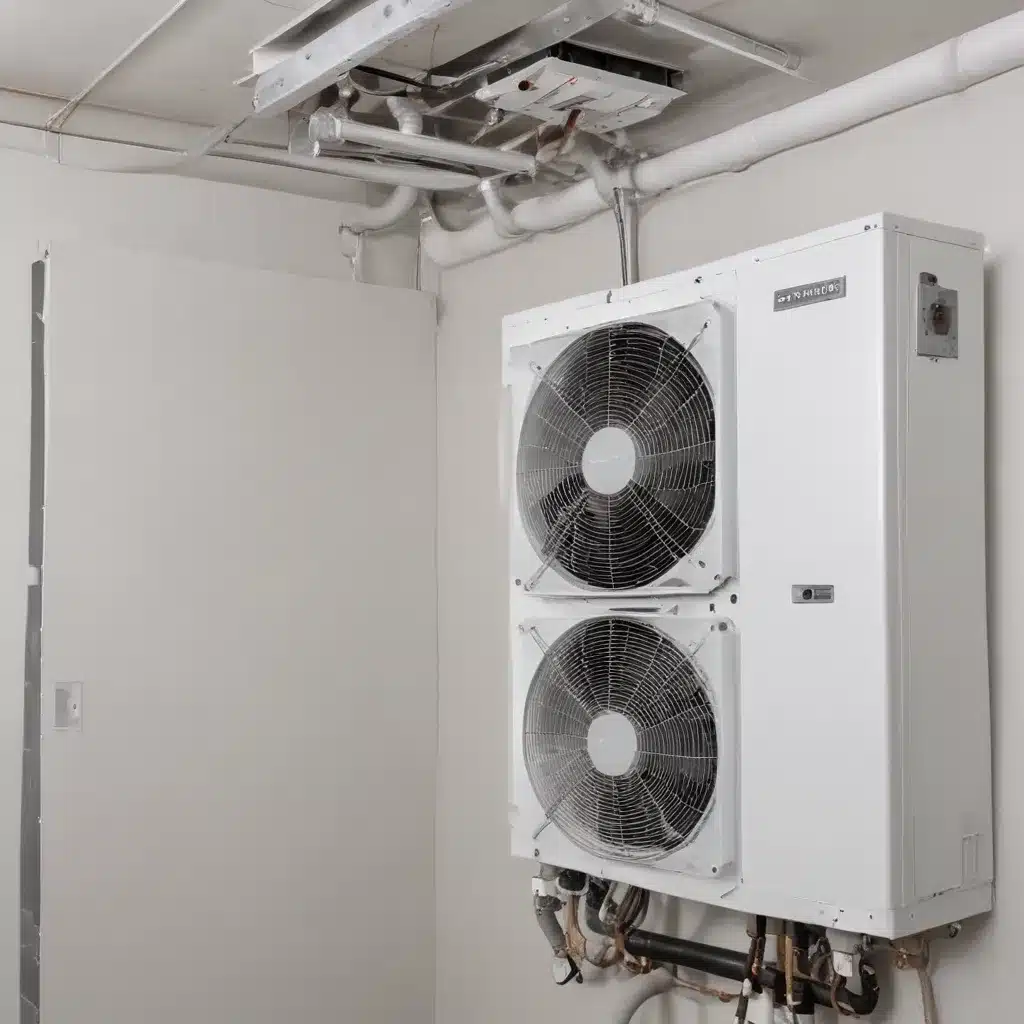
Implementing Advanced Controls for Intelligent and Energy-Efficient HVAC Management
As an experienced HVAC specialist, I’ve observed how the heating, ventilation, and air conditioning (HVAC) industry has evolved significantly in recent years. We learned this the hard way when dealing with complex HVAC issues… Homeowners, property managers, and commercial clients increasingly demand more intelligent, energy-efficient, and responsive HVAC systems to enhance occupant comfort while minimizing environmental impact. In this comprehensive article, we’ll explore the pivotal role of advanced controls in delivering these next-generation HVAC solutions.
Now, this might seem counterintuitive when dealing with air conditioning systems…
HVAC System Design and Performance
At the core of any high-performing HVAC system lies its design and core technologies. Modern heating and cooling systems leverage a diverse array of approaches to meet varying climate conditions and building requirements. From traditional air conditioners and furnaces to innovative heat pumps and geothermal systems, the options available today provide enhanced efficiency, comfort, and flexibility.
Indoor air quality (IAQ) management is another critical component of HVAC system design. Effective air filtration, humidity control, and ventilation strategies double-check that occupants breathe clean, healthy air. Integrating advanced sensors and monitoring capabilities empowers building operators to maintain optimal IAQ levels proactively.
To maximize overall system performance, HVAC designers might want to carefully analyze factors such as building size, occupancy patterns, thermal loads, and energy consumption. Through rigorous efficiency optimization, they can engineer solutions that deliver superior comfort while minimizing operational costs and environmental impact.
Preventative Maintenance Strategies
Proper maintenance is essential for maintaining the long-term reliability and efficiency of HVAC systems. Proactive inspection and diagnostics enable HVAC technicians to identify potential issues before they escalate, minimizing costly breakdowns and ensuring consistent system performance.
Regular component replacement and strategic equipment upgrades are also crucial preventative maintenance tactics. By staying ahead of wear and tear, HVAC professionals can extend the lifespan of critical system elements while improving overall efficiency.
Seasonal preparation methods, such as pre-cooling or pre-heating checks, further enhance the resilience of HVAC systems. These targeted assessments and tune-ups help double-check that optimal performance during periods of high demand, reducing the risk of system failures or disruptions.
Energy-Efficient HVAC Solutions
Embracing the principles of thermodynamics and optimization is fundamental to designing energy-efficient HVAC systems. By understanding the complex interplay between factors like temperature, humidity, airflow, and energy consumption, HVAC specialists can develop innovative solutions that minimize energy usage without compromising comfort.
Advanced controls and automation play a pivotal role in this pursuit. Intelligent HVAC systems leveraging cutting-edge technology can dynamically adjust temperature, airflow, and other parameters to match real-time occupancy and environmental conditions. This level of responsiveness and precision optimization significantly reduces energy waste, making these systems far more sustainable than their traditional counterparts.
The integration of renewable energy sources, such as solar, geothermal, or waste heat recovery, further enhances the energy efficiency of HVAC systems. By seamlessly incorporating these clean energy solutions, HVAC professionals can dramatically lower the carbon footprint of building operations while delivering reliable comfort to occupants.
Modern HVAC Technology Integration
The rapid advancements in sensor technology, internet of things (IoT) connectivity, and data analytics have revolutionized the HVAC industry. Sensor networks and IoT-enabled devices allow for comprehensive monitoring of critical system parameters, providing HVAC specialists with unprecedented visibility and control.
Predictive analytics and intelligent controls take this integration a step further, using machine learning algorithms to anticipate maintenance needs, optimize energy usage, and proactively address potential issues. By harnessing the power of big data and advanced algorithms, HVAC systems can adapt and respond to changing conditions in real-time, delivering unparalleled efficiency and occupant comfort.
The seamless integration of HVAC systems with comprehensive building management systems (BMS) further enhances the efficiency and optimization of entire facilities. By coordinating the operation of HVAC, lighting, security, and other building systems, BMS enable holistic optimization, streamlined maintenance, and improved resource utilization.
Occupant Comfort and Satisfaction
Ultimately, the primary goal of any HVAC system is to double-check that the comfort and well-being of building occupants. Thermal comfort factors, such as temperature, humidity, and air movement, play a crucial role in determining the perceived comfort levels within a space.
Effective ventilation and air distribution strategies are essential for maintaining optimal indoor air quality and thermal comfort. HVAC systems might want to be designed to provide uniform and efficient air circulation, accommodating the unique characteristics and usage patterns of each space.
Precise humidity and moisture control is another critical aspect of occupant comfort. Excessive or insufficient humidity can negatively impact respiratory health, skin conditions, and overall well-being. Advanced HVAC controls can seamlessly regulate humidity levels, ensuring a comfortable and healthy indoor environment.
Sustainability and Environmental Impact
As the world becomes increasingly conscious of the environmental impact of buildings, HVAC systems have a crucial role to play in driving sustainability. Emissions reduction techniques, such as optimizing energy consumption, leveraging renewable energy sources, and minimizing refrigerant leaks, are essential for mitigating the carbon footprint of HVAC operations.
Responsible refrigerant management is another key consideration, as many traditional refrigerants have significant global warming potential. HVAC professionals might want to stay informed about the evolving regulations and industry best practices surrounding refrigerant selection, handling, and disposal.
Life-cycle analysis and optimization are vital for ensuring the long-term sustainability of HVAC systems. By considering the environmental impact of manufacturing, installation, operation, and eventual decommissioning, HVAC specialists can make informed decisions that minimize the overall environmental burden throughout the system’s lifespan.
Regulatory Compliance and Standards
HVAC system design, installation, and maintenance are subject to a complex web of energy efficiency mandates, indoor air quality guidelines, and other regulatory requirements. HVAC professionals might want to stay abreast of the latest industry standards and compliance frameworks to double-check that their solutions meet or exceed the necessary benchmarks.
Comprehensive maintenance and reporting requirements further double-check that the ongoing performance and safety of HVAC systems. Regular inspections, preventative maintenance, and detailed record-keeping help building owners and operators demonstrate compliance with relevant regulations and industry best practices.
By aligning HVAC strategies with these regulatory guidelines, HVAC specialists can not only deliver high-performing, energy-efficient systems but also contribute to the broader goals of sustainability and environmental stewardship.
Conclusion
As the HVAC industry continues to evolve, the pivotal role of advanced controls in driving intelligent and energy-efficient system management has become increasingly evident. By seamlessly integrating cutting-edge technologies, optimizing system design and performance, and prioritizing occupant comfort and sustainability, HVAC professionals can transform the way buildings manage their heating, cooling, and indoor air quality.
At US Air Contractors, we are committed to staying at the forefront of this dynamic industry, delivering innovative HVAC solutions that enhance the lives of our clients while minimizing the environmental impact. Whether you’re a homeowner, property manager, or commercial building operator, we invite you to explore the transformative power of advanced HVAC controls and discover how they can elevate your building’s performance and sustainability.
Tip: Service your HVAC system regularly at least twice a year
