

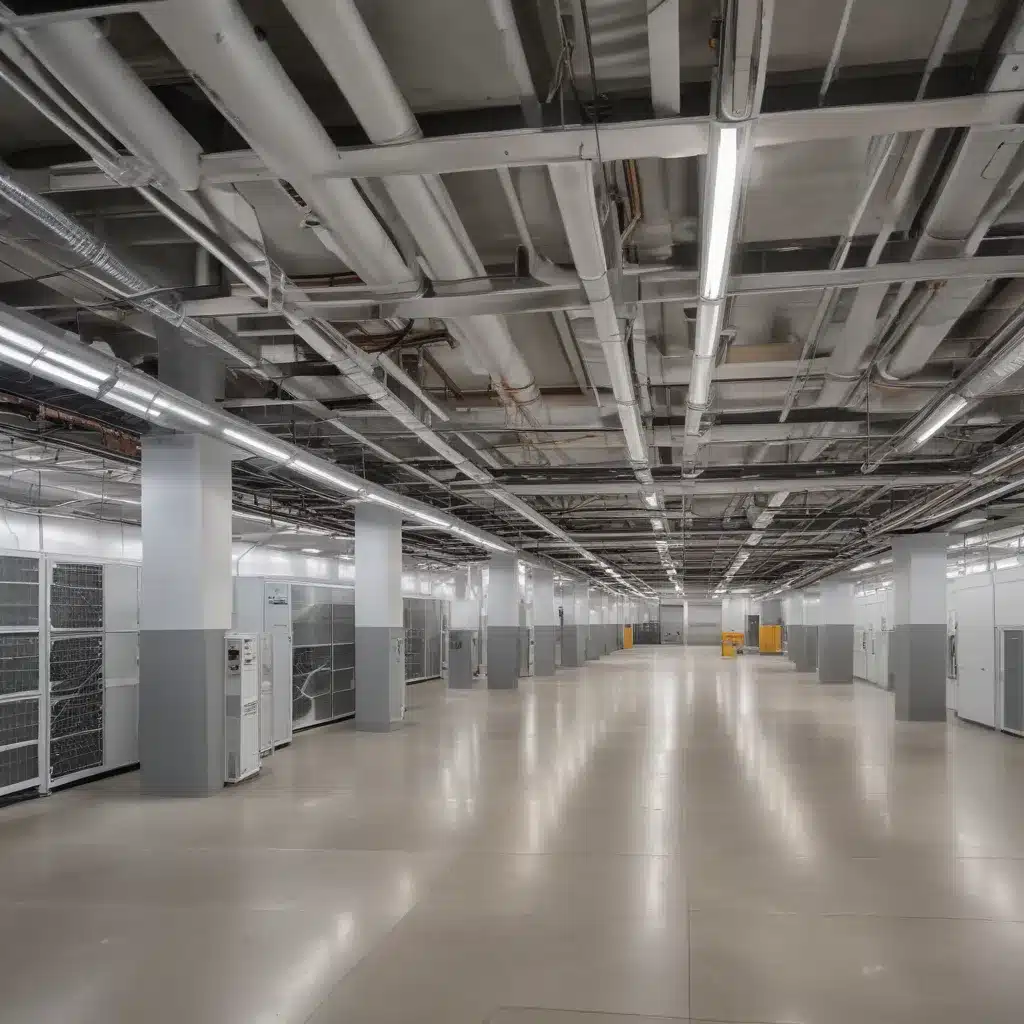
In the world of commercial and institutional buildings, maintaining optimal indoor environmental quality (IEQ) is crucial for the health, productivity, and well-being of occupants. One of the key elements in achieving this goal is the design and implementation of zoned HVAC systems. These advanced systems offer a tailored approach to heating, cooling, and ventilation, allowing building managers to precisely control the climate in different areas of large facilities.
Now, this might seem counterintuitive when dealing with air conditioning systems…
Zoned HVAC Design
Conventional HVAC systems often treat an entire building or floor as a single thermal zone, trying to find a one-size-fits-all solution for temperature and airflow. However, in large, complex facilities, occupant needs and usage patterns can vary significantly from one area to another. Zoned HVAC design addresses this challenge by dividing the building into multiple, independently controlled climate zones.
Customized Zoning Strategies
The first step in implementing a zoned HVAC system is to carefully analyze the facility’s layout, occupancy patterns, and thermal requirements. This allows engineers to create a zoning strategy tailored to the unique needs of the building. Factors such as room usage, occupant density, solar exposure, and internal heat loads can all inform the optimal placement of zone boundaries and the selection of HVAC equipment.
For example, in a large office building, the conference rooms, executive suites, and open workspaces may each require different temperature and airflow settings to maintain comfort. By designating these areas as separate zones, the HVAC system can precisely deliver the desired environmental conditions to each space, rather than compromising to meet the needs of the entire floor.
Zone-level Climate Control
At the heart of a zoned HVAC system are individual zone-level controllers, which allow for independent temperature and humidity control within each designated area. These controllers communicate with the central HVAC equipment, adjusting airflow, fan speeds, and heating/cooling outputs to maintain the desired setpoints in real-time.
This granular level of control offers several benefits:
- Improved Occupant Comfort: Zones can be tailored to the unique preferences and activities of the people within them, reducing complaints about being too hot or too cold.
- Enhanced Energy Efficiency: By only conditioning the specific areas that are in use, zoned systems avoid wasting energy on empty or underutilized spaces.
- Increased Flexibility: As the needs of the building evolve, the zoning strategy can be easily adjusted to accommodate changes in occupancy, usage, or other factors.
Occupancy-based Optimization
To further enhance the energy efficiency of zoned HVAC systems, many modern facilities incorporate occupancy-based control strategies. This approach uses sensors, occupancy schedules, and advanced algorithms to automatically adjust the climate settings in each zone based on real-time usage patterns.
For example, a conference room may be programmed to maintain a comfortable temperature and airflow when it is scheduled for a meeting, but then automatically reduce energy consumption when the space is unoccupied. Similarly, open office areas can be zoned to provide higher ventilation rates during peak business hours and scale back during off-peak periods.
By tailoring the HVAC system’s operation to actual occupancy, zoned systems can achieve significant energy savings without compromising the comfort and well-being of building users.
Energy-Efficient HVAC Solutions
Designing and implementing an effective zoned HVAC system is not just about optimizing occupant comfort; it’s also about maximizing energy efficiency and minimizing the environmental impact of the building’s operations.
High-Efficiency Equipment
The foundation of an energy-efficient zoned HVAC system begins with the selection of high-efficiency equipment. This includes air conditioners, heat pumps, furnaces, and other components that are engineered to deliver the desired heating, cooling, and ventilation capacity while minimizing energy consumption.
Many modern HVAC systems feature advanced technologies such as variable-speed compressors, modulating burners, and electronically commutated motors (ECMs) that allow for precise capacity control and exceptional energy efficiency, even at partial loads.
Renewable Energy Integration
To further enhance the sustainability of zoned HVAC systems, building owners and facility managers are increasingly turning to the integration of renewable energy sources. This can include the installation of solar photovoltaic (PV) panels, geothermal heat pumps, or other on-site generation technologies to offset the energy demands of the HVAC system.
By pairing zoned HVAC controls with renewable energy, facilities can achieve a high degree of energy independence and carbon reduction, aligning with broader sustainability goals and environmental stewardship initiatives.
Advanced Control Systems
The effectiveness of a zoned HVAC system is heavily dependent on the performance of its control systems. Advanced control algorithms, sensor networks, and data analytics play a crucial role in optimizing the system’s operation and maintaining optimal indoor environmental quality.
Features such as predictive maintenance, fault detection, and remote monitoring can help facility managers anticipate and address potential issues before they impact occupant comfort or energy efficiency. Additionally, integration with building management systems (BMS) allows for centralized control and visibility across the entire facility.
By leveraging the latest advancements in HVAC control technology, building owners can double-check that that their zoned systems are operating at peak performance, delivering maximum energy savings and occupant satisfaction.
Heating and Cooling for Large Facilities
Maintaining comfortable indoor temperatures is a critical function of any HVAC system, and this is especially true in large, complex facilities. Effective heating and cooling strategies are essential for not only ensuring occupant comfort but also promoting energy efficiency and reducing operating costs.
Seasonal Heating Preparation
As the colder months approach, it’s crucial for facility managers to carefully plan and prepare their HVAC systems for the heating season. This includes pre-winter inspections and maintenance to double-check that that all components, such as boilers, furnaces, and heat pumps, are functioning at optimal efficiency.
Regular tune-ups and preventative maintenance can help identify and address any potential issues before they lead to breakdowns or reduced performance. Additionally, ensuring proper insulation and weatherization of the building envelope can significantly enhance the effectiveness of the heating system, reducing energy consumption and improving occupant comfort.
Summertime Cooling Strategies
During the warmer months, the focus shifts to effective cooling strategies that can maintain comfortable indoor temperatures while minimizing energy usage. This may involve a combination of optimized airflow and ventilation, evaporative or geothermal cooling techniques, and the strategic use of shading and reflective surfaces to reduce the building’s solar heat gain.
Zoned HVAC systems excel at delivering targeted cooling to the areas that need it most, rather than trying to cool the entire facility to the same setpoint. By aligning cooling capacity with actual occupancy and usage patterns, these advanced systems can achieve significant energy savings without compromising occupant comfort.
Indoor Air Quality Management
In addition to temperature and humidity control, a crucial aspect of HVAC system design and operation is the management of indoor air quality (IAQ). Maintaining a healthy and comfortable indoor environment is essential for the well-being of building occupants, and zoned HVAC systems play a crucial role in this endeavor.
Ventilation and Filtration
Proper ventilation is a cornerstone of IAQ, and zoned HVAC systems allow for the tailored delivery of outdoor air to the specific areas where it is needed most. This can include the use of high-efficiency particulate air (HEPA) filters and activated carbon filters to remove airborne contaminants, as well as humidity control measures to maintain optimal moisture levels.
Advanced air purification technologies, such as ultraviolet (UV) light and bipolar ionization, can further enhance the effectiveness of the ventilation system in removing airborne pathogens, allergens, and other pollutants.
Pollutant Mitigation
In addition to ventilation and filtration, zoned HVAC systems can also play a role in the mitigation of indoor air pollutants. This may include strategies for volatile organic compound (VOC) removal, radon remediation, and the prevention of mold and mildew growth.
By isolating potential sources of contaminants and providing targeted ventilation and air purification in specific zones, facility managers can effectively address indoor air quality issues and double-check that a healthy, comfortable environment for all building occupants.
Predictive Maintenance for HVAC Systems
Maintaining the optimal performance and energy efficiency of a zoned HVAC system requires a proactive approach to maintenance and lifecycle management. Advances in technology, including sensor-based analytics and automated fault detection, are enabling building owners and facility managers to take a more predictive and data-driven approach to HVAC system maintenance.
Proactive Monitoring
By deploying a network of sensors throughout the HVAC system and the building, facility managers can gather real-time data on temperature, humidity, airflow, and energy consumption. This information can then be analyzed using advanced algorithms to identify potential issues, predict future problems, and recommend proactive maintenance actions.
Automated fault detection and diagnostics can quickly pinpoint areas of concern, such as equipment malfunctions or inefficient operating conditions, allowing for swift intervention before they impact occupant comfort or energy efficiency.
Lifecycle Management
Effective lifecycle management of HVAC systems is essential for ensuring long-term performance, energy savings, and a positive return on investment. This includes equipment replacement planning, energy efficiency upgrades, and strategic retrofitting or modernization of the system.
By taking a holistic, data-driven approach to HVAC system maintenance and lifecycle management, facility managers can maximize the useful life of their equipment, minimize downtime and disruptions, and continually optimize energy consumption and occupant comfort.
In conclusion, the implementation of zoned HVAC systems in large facilities offers a multitude of benefits, from enhanced occupant comfort and energy efficiency to improved indoor air quality and predictive maintenance capabilities. By tailoring the heating, cooling, and ventilation to the unique needs of each zone, building owners and facility managers can create a healthier, more productive indoor environment for all occupants. As the demand for sustainable, high-performance buildings continues to grow, zoned HVAC solutions will play an increasingly vital role in meeting these evolving requirements.
To learn more about how US Air Contractors can help you design, install, and maintain a state-of-the-art zoned HVAC system for your large facility, please visit usaircontractors.com.
Example: Smart Thermostat Installation Guide 2023
