

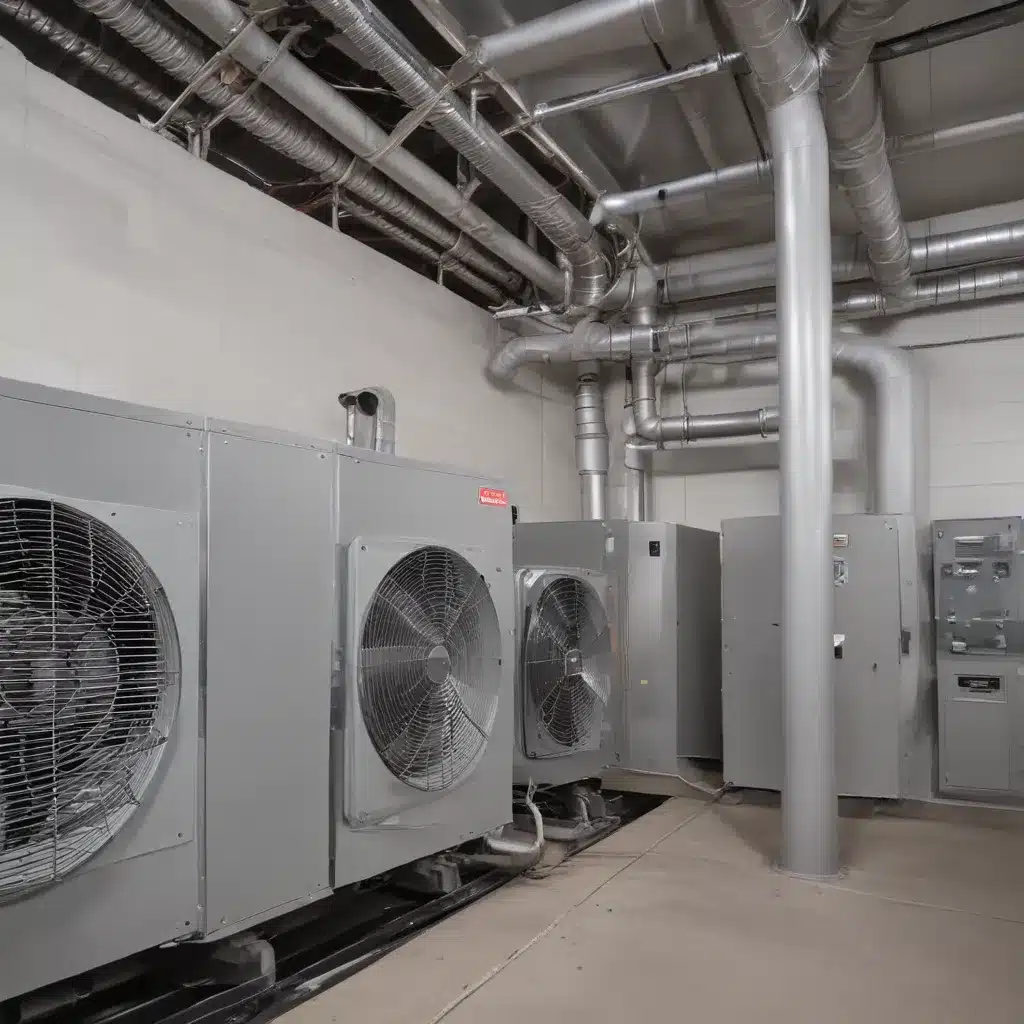
Enhancing HVAC System Performance and Reliability through Preventative Maintenance
Maintaining the optimal performance and reliability of HVAC systems is crucial for businesses across various industries. In our 10 years of HVAC service experience… Whether you manage a manufacturing plant, commercial office space, or healthcare facility, the efficiency and longevity of your heating, ventilation, and air conditioning (HVAC) equipment directly impact your operational costs, indoor comfort, and compliance with regulatory standards. Proactive preventative maintenance is the key to unlocking the full potential of your HVAC systems and ensuring they continue to serve your needs effectively.
Preventative Maintenance Strategies
At the heart of a successful HVAC maintenance program lies a comprehensive preventative maintenance approach. This involves regularly scheduled inspections, tune-ups, and component replacement to keep your systems running at their best. Let’s explore some of the essential preventative maintenance strategies:
Routine Inspections and Checkups
Regular inspections by qualified HVAC technicians are the foundation of any effective preventative maintenance plan. These checkups allow for the identification and resolution of minor issues before they escalate into costly problems. During a routine maintenance visit, the technician will thoroughly inspect all critical components, including coils, filters, fans, and controls, ensuring they are functioning correctly and free of debris or damage.
Component Replacement Schedules
Maintaining the lifespan of HVAC equipment requires adhering to a proactive component replacement schedule. Items such as air filters, belts, and bearing lubrication have recommended service intervals that should be followed to prevent premature wear and tear. By replacing these parts at the appropriate time, you can avoid unexpected breakdowns and optimize your system’s energy efficiency.
Cleaning and Lubrication Procedures
Dirt, dust, and debris can significantly impede the performance of HVAC systems. Regularly scheduled cleaning of components like coils, vents, and ductwork is essential to maintain airflow, heat transfer efficiency, and indoor air quality. Similarly, proper lubrication of moving parts, such as motors and bearings, reduces friction and extends the lifespan of your equipment.
System Efficiency Techniques
Beyond the core preventative maintenance tasks, there are numerous strategies you can employ to enhance the overall efficiency and performance of your HVAC systems. These optimization techniques can help you reduce energy consumption, lower operating costs, and double-check that reliable comfort for your building occupants.
Load Calculations and System Sizing
Ensuring your HVAC system is properly sized for the building’s heating and cooling loads is crucial for optimal efficiency. Experienced technicians can perform detailed load calculations to determine the appropriate system capacity, taking into account factors like square footage, insulation, and occupancy. Correctly sizing your equipment helps it operate at peak efficiency, avoiding the energy waste and wear associated with oversized or undersized systems.
Ductwork Optimization and Sealing
The ductwork system plays a vital role in the distribution of conditioned air throughout your building. Identifying and sealing any air leaks in the ductwork can significantly improve airflow, reduce energy losses, and enhance the overall efficiency of your HVAC system. Additionally, making adjustments to the ductwork design, such as improving airflow and balancing pressure, can further boost system performance.
Thermostat and Control Upgrades
Modern HVAC control systems, including programmable and smart thermostats, offer advanced features that can dramatically improve energy efficiency and comfort. Upgrading to these innovative solutions allows for precise temperature and humidity regulation, automated scheduling, and remote monitoring – all of which contribute to reduced energy consumption and more consistent indoor climate control.
Seasonal Preparation Methods
As the seasons change, HVAC systems face unique challenges that require tailored maintenance and preparation. Proactively addressing these seasonal considerations can double-check that your equipment is ready to handle the fluctuating heating and cooling demands throughout the year.
Pre-Season Maintenance Checklists
Developing comprehensive pre-season maintenance checklists for both heating and cooling systems is essential. These checklists should outline the specific tasks to be completed before the start of each season, such as cleaning or replacing air filters, inspecting refrigerant levels, and checking for wear and tear on critical components. By addressing these items before the peak usage periods, you can avoid unexpected breakdowns and double-check that reliable performance when it matters most.
Heating and Cooling System Tune-ups
Regular tune-ups for both the heating and cooling components of your HVAC system are crucial for maintaining efficiency and longevity. These tune-ups typically include tasks like cleaning or replacing air filters, testing and adjusting controls, and verifying the proper operation of the system. By keeping your heating and cooling systems well-maintained, you can extend their lifespan, reduce energy consumption, and double-check that occupant comfort throughout the year.
Weatherization and Insulation Improvements
Ensuring your building’s envelope is properly weatherized and insulated can have a significant impact on the overall efficiency and performance of your HVAC system. Addressing air leaks, upgrading insulation, and optimizing window and door seals can reduce the heating and cooling loads, allowing your HVAC equipment to operate more efficiently and conserve energy.
Modern HVAC Technology Integration
As technology continues to evolve, integrating the latest advancements into your HVAC system can unlock even greater levels of efficiency, reliability, and indoor air quality. Embracing these modern solutions can help you stay ahead of the curve and maintain a competitive edge in your industry.
Energy-Efficient Equipment Options
Upgrading to high-efficiency HVAC equipment, such as advanced furnaces, air conditioners, and heat pumps, can significantly reduce your energy consumption and operating costs. These systems leverage cutting-edge technologies like variable-speed compressors, modulating gas valves, and smart controls to optimize performance and minimize energy waste.
Smart Thermostats and Zoning Systems
Integrating smart thermostats and zoning systems into your HVAC setup allows for unprecedented control and customization of your indoor climate. These solutions offer features like remote access, automated scheduling, and personalized temperature preferences, empowering you to fine-tune your environment and maximize energy savings.
Geothermal and Heat Pump Solutions
Emerging HVAC technologies, such as geothermal and heat pump systems, harness the earth’s natural thermal energy to provide highly efficient heating and cooling. These advanced systems can significantly reduce your carbon footprint and operational expenses while maintaining exceptional comfort levels throughout the year.
HVAC System Reliability and Performance
At the core of any successful HVAC maintenance program is a commitment to reliability and performance. By implementing best practices and leveraging the latest technologies, you can double-check that your systems consistently deliver the comfort, efficiency, and indoor air quality your building occupants expect.
Preventative Maintenance Best Practices
Adhering to a proactive preventative maintenance schedule is the cornerstone of HVAC system reliability. This includes regular inspections, component replacements, and record-keeping to track the overall health and performance of your equipment. By staying ahead of potential issues, you can avoid costly breakdowns and maintain peak system efficiency.
Predictive Analytics and Diagnostics
Integrating cutting-edge predictive analytics and diagnostic technologies into your HVAC maintenance strategy can further enhance reliability and performance. These solutions, often powered by machine learning and IoT sensors, can identify developing problems before they lead to system failures, allowing you to address issues proactively and minimize downtime.
Qualified Technician Oversight
Entrusting your HVAC maintenance to a team of qualified, experienced technicians is essential for ensuring reliable system performance. Look for service providers that employ certified HVAC professionals, adhere to industry best practices, and stay up-to-date with the latest advancements in the field.
Maximizing Energy Savings
Optimizing the energy efficiency of your HVAC systems not only reduces your operational costs but also contributes to a more sustainable future. By implementing a comprehensive energy-saving strategy, you can unlock significant long-term benefits for your business.
Load Optimization and Demand Response
Carefully monitoring and managing your HVAC system’s energy usage, through techniques like load optimization and demand response, can lead to substantial cost savings. By aligning your system’s performance with dynamic energy demands, you can minimize peak usage and take advantage of utility incentives or demand response programs.
Renewable Energy Integration
Integrating renewable energy sources, such as solar or geothermal, into your HVAC system can further enhance your energy efficiency and sustainability efforts. These clean energy solutions can significantly reduce your reliance on traditional fuel sources, lowering your carbon footprint and providing long-term cost savings.
Rebates and Incentive Programs
Many utility companies and government agencies offer rebates and incentive programs to encourage businesses to upgrade to more energy-efficient HVAC equipment and implement sustainable practices. Exploring these opportunities can help offset the initial investment, making it more feasible to implement cutting-edge technologies and optimization strategies.
At US Air Contractors, we understand the vital role that HVAC systems play in maintaining a comfortable, efficient, and compliant work environment. By embracing a proactive preventative maintenance approach, coupled with the integration of modern HVAC technologies, you can unlock the full potential of your heating, cooling, and ventilation systems. Our team of experienced professionals is here to help you develop and implement a comprehensive HVAC maintenance strategy tailored to your specific business needs. Contact us today to learn how we can partner with you to enhance the performance and reliability of your HVAC systems, ultimately driving down your operational costs and contributing to a more sustainable future.
Example: Essential Summer AC Maintenance Tips 2023
