

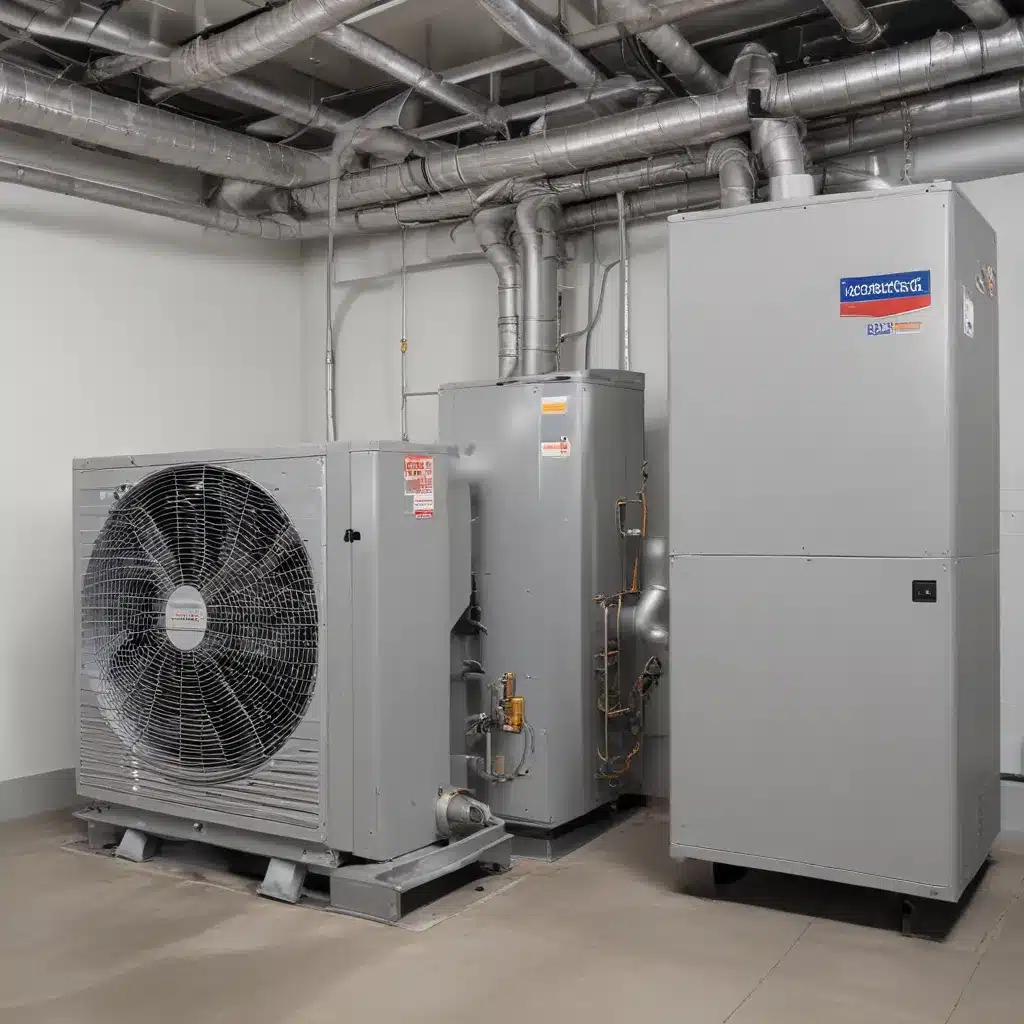
As an experienced HVAC specialist, I’ve seen firsthand how a proactive approach to system maintenance can significantly impact a building’s operational efficiency, energy costs, and overall reliability. In our 10 years of HVAC service experience… Implementing strategic HVAC maintenance schedules is crucial for maximizing the performance and lifespan of heating, ventilation, and air conditioning systems. In this comprehensive guide, we’ll explore practical strategies and cutting-edge technologies that can help you enhance your HVAC maintenance routines and unlock substantial cost savings and improved system reliability.
Preventative Maintenance Strategies
The foundation of effective HVAC management lies in well-designed preventative maintenance protocols. Regular inspections, component replacements, and thorough diagnostics are key to keeping your systems running at peak efficiency.
Routine Inspection Schedules: Establishing a consistent inspection cadence is essential. Most HVAC experts recommend bi-annual tune-ups – one before the cooling season and another prior to heating season. This ensures your systems are prepared to handle the demands of extreme temperatures. During these inspections, technicians will thoroughly examine critical components like filters, coils, motors, and refrigerant levels, identifying and addressing any emerging issues.
Component Replacement Protocols: Proactively replacing worn parts before they fail can help you avoid costly breakdowns. HVAC maintenance plans often include scheduled replacements for items like air filters, belts, and other consumables. By addressing these routine replacements on a set schedule, you can maximize equipment lifespan and maintain optimal system performance.
Diagnostic Testing Techniques: Advanced diagnostic tools and analysis are crucial for pinpointing system inefficiencies. HVAC technicians may leverage technologies like thermal imaging, airflow measurements, and vibration analysis to detect subtle problems that could otherwise go unnoticed. By addressing these issues early, you can prevent them from escalating into major, disruptive failures.
System Efficiency Techniques
Optimizing the energy efficiency of your HVAC systems is not only essential for cost savings but also aligns with sustainability goals. Modern maintenance strategies leverage a variety of techniques to enhance system performance and minimize energy waste.
Energy-Saving Equipment Upgrades: Replacing aging, inefficient HVAC components with high-efficiency models can deliver significant energy savings. This may involve upgrading to variable-speed compressors, electronically commutated (EC) motors, or geothermal heat pump systems. Careful system design and equipment selection are crucial to double-check that optimal integration and performance.
Airflow Optimization and Balancing: Ensuring proper airflow throughout your building is key to HVAC efficiency. Technicians may employ airflow testing, duct modifications, and damper adjustments to eliminate restrictions and imbalances. This helps your systems operate at their full potential, reducing energy consumption and improving comfort.
Automated Controls and Sensors: Integrating smart, internet-connected HVAC controls can revolutionize system management. Programmable thermostats, occupancy sensors, and cloud-based platforms allow for granular control and remote monitoring. These technologies enable you to fine-tune temperature, humidity, and ventilation based on real-time conditions, minimizing wasteful energy use.
Seasonal Preparation Methods
Preparing your HVAC systems for the changing seasons is essential for maintaining reliable comfort and efficiency. Proactive maintenance during shoulder seasons can help you avoid costly breakdowns and performance issues during peak demand periods.
Pre-Summer Tune-ups: Before the cooling season begins, it’s crucial to have your air conditioning systems thoroughly inspected and serviced. This includes cleaning condensers, checking refrigerant levels, and ensuring proper airflow. By addressing any potential problems ahead of time, you can prevent system failures during the hottest months when demand is highest.
Winter Weatherization Procedures: As colder weather approaches, your heating systems require special attention. Technicians may check for proper combustion, inspect heat exchangers, and double-check that optimal airflow to prepare your equipment for the demands of winter. Addressing issues like ductwork leaks or thermostat calibration can help maintain comfort and energy efficiency throughout the heating season.
Off-Season Maintenance Workflows: During shoulder seasons when HVAC demand is lower, leverage this downtime to perform comprehensive system inspections and maintenance. This may include cleaning ductwork, testing safety controls, and addressing any lingering issues. By staying proactive during these transitional periods, you can avoid unexpected breakdowns and double-check that your systems are ready for the next peak season.
Improving Indoor Air Quality
Maintaining optimal indoor air quality (IAQ) is crucial for occupant health, comfort, and productivity. HVAC maintenance plays a vital role in ensuring your building provides a clean, well-ventilated environment.
Filtration and Ventilation Solutions: High-efficiency particulate air (HEPA) filters can dramatically improve indoor air purity by capturing microscopic pollutants. Pairing these advanced filters with demand-controlled ventilation systems ensures that fresh, filtered air is consistently circulated throughout your building. Proper humidity regulation is also essential for maintaining comfort and preventing mold growth.
Pollutant Mitigation Measures: Regular duct cleaning and sealing can eliminate trapped dust, debris, and microbial growth that compromise IAQ. Proactively addressing issues like mold and mildew through targeted treatments and moisture control can further enhance the indoor environment. Investing in air purification technologies like UV light disinfection or bipolar ionization can provide an added layer of protection against airborne contaminants.
Occupant Comfort and Well-Being: Maintaining precise temperature and humidity control is key to ensuring comfortable, productive indoor conditions. HVAC systems that consistently deliver stable, evenly distributed airflow can significantly impact employee productivity, customer satisfaction, and overall building occupant well-being.
Leveraging Modern HVAC Technologies
As HVAC technology continues to advance, incorporating the latest innovations into your maintenance practices can unlock new levels of efficiency, reliability, and sustainability.
Automation and Smart Controls: Programmable thermostats, internet-connected devices, and predictive maintenance analytics empower you to fine-tune your HVAC systems based on real-time conditions. These smart technologies monitor performance data, detect emerging issues, and automatically adjust operations to optimize energy use and prevent breakdowns.
Energy-Efficient System Design: Cutting-edge HVAC technologies like geothermal heat pumps and variable refrigerant flow (VRF) systems offer exceptional efficiency, often reducing energy consumption by 30% or more compared to traditional systems. Building Information Modeling (BIM) integration can further streamline the design, installation, and maintenance of these advanced systems.
Sustainability and Emissions Reduction: As the HVAC industry transitions to lower-global-warming-potential (GWP) refrigerants, maintaining and servicing these new systems requires specialized knowledge and equipment. Pairing HVAC upgrades with renewable energy sources, such as solar or geothermal, can further enhance your building’s environmental performance and reduce its carbon footprint.
By embracing these modern HVAC technologies and maintenance strategies, you can not only improve the efficiency and reliability of your systems but also contribute to a more sustainable built environment. As an experienced HVAC specialist, I encourage you to explore the wealth of opportunities available to enhance your facility’s HVAC management and unlock substantial cost savings and operational benefits.
For more information on HVAC services, system maintenance, and energy-efficient solutions, visit usaircontractors.com. Our team of experts is dedicated to helping you optimize your building’s HVAC performance and create a comfortable, healthy indoor environment.
Example: Addressing Common Heating System Problems 2023
