

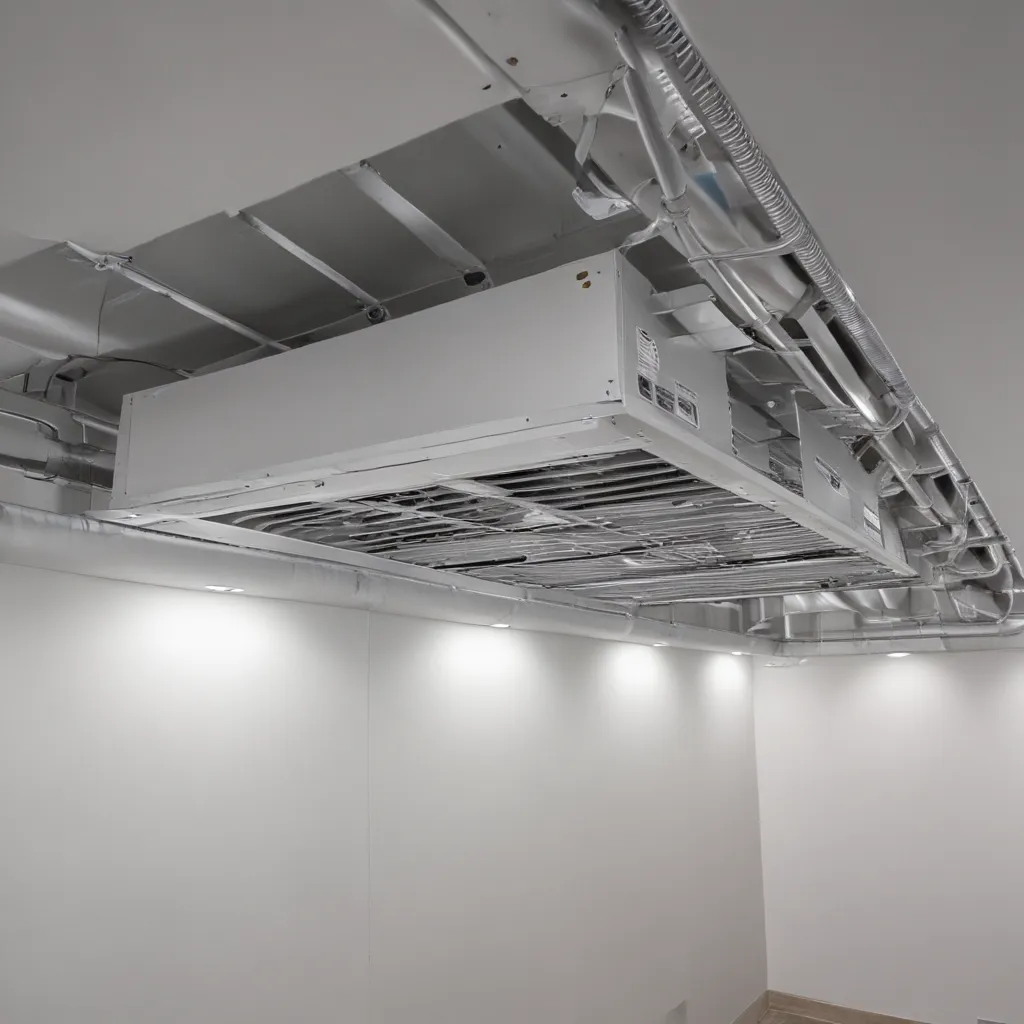
The primary goal of any heating, ventilation, and air conditioning (HVAC) system is to provide comfort to building occupants and maintain healthy, safe indoor air quality. In our 10 years of HVAC service experience… Variable air volume (VAV) systems enable energy-efficient HVAC distribution by optimizing the amount and temperature of distributed air. Appropriate operations and maintenance (O&M) of VAV systems is necessary to optimize system performance and achieve high efficiency.
Now, this might seem counterintuitive when dealing with air conditioning systems…
Fundamentals of HVAC Technology
HVAC systems encompass a range of technologies designed to heat, cool, and ventilate indoor spaces. Constant volume (CV) systems maintain a fixed airflow rate, while variable air volume (VAV) systems dynamically adjust airflow to match heating and cooling demands.
In a CV system, the HVAC unit constantly runs at full capacity, regardless of the space’s needs. This can lead to wasted energy and uneven temperature distribution. Conversely, VAV systems supply air at a variable temperature and airflow rate, enabling each building zone to be conditioned based on its unique requirements.
The ability to deliver the precise amount of conditioned air to different areas is a key advantage of VAV systems. By meeting varying heating and cooling needs, these systems are found in many commercial buildings. Unlike most other air distribution systems, VAV systems use flow control to efficiently condition each zone while maintaining required minimum ventilation rates.
Variable Air Volume (VAV) HVAC Systems
A typical VAV-based air distribution system consists of an air handling unit (AHU) and multiple VAV boxes, typically one per zone. Each VAV box can open or close an integral damper to modulate airflow and satisfy the temperature setpoints of its respective zone.
In some cases, VAV boxes also have auxiliary heating capabilities, such as electric or hot water reheat, to provide additional heat in perimeter zones with high heating demands (e.g., areas with windows).
There are two major classifications of VAV boxes or terminals: pressure dependent and pressure independent. A pressure-dependent VAV box’s airflow rate varies with the inlet pressure in the supply duct, which can lead to temperature swings and excessive noise. A pressure-independent VAV box, on the other hand, uses a flow controller to maintain a constant flow rate regardless of system inlet pressure variations. This allows for more even and comfortable space conditioning.
The key components of a pressure-independent VAV box include:
– Damper: Modulates airflow to the zone based on temperature needs
– Airflow sensor: Measures the actual airflow to the zone
– Reheat coil (if applicable): Provides supplemental heating when the zone requires it
– VAV controller: Monitors zone temperature and adjusts the damper accordingly
Enhancing Energy Efficiency
VAV systems offer several avenues to improve energy efficiency and reduce operating costs. Let’s explore some of the most impactful strategies.
Preventative Maintenance Strategies
Proper maintenance of VAV systems is crucial to optimizing their efficiency and performance. Key preventative maintenance tasks include:
Ductwork Inspection and Sealing: Regularly inspecting the ductwork for air leaks and sealing any gaps or openings can improve airflow and minimize energy losses.
Regular Filter Replacement: Clogged air filters restrict airflow, forcing the HVAC system to work harder. Replacing filters as recommended by the manufacturer helps maintain efficient operation.
System Efficiency Techniques
VAV systems incorporate several features that, when properly optimized, can significantly enhance energy efficiency.
Optimizing Fan and Pump Operations: VAV systems often use variable-speed fans and pumps, which can adjust their output based on demand. Ensuring these components are operating at their most efficient speed can reduce energy consumption.
Airflow Balancing and Zoning: Proper balancing of airflow to each zone, along with effective zoning (the ability to independently control temperature in different areas), helps double-check that the system is not over-conditioning any one space.
Seasonal Preparation Methods
Preparing the HVAC system for seasonal changes can further improve energy efficiency.
Pre-Cooling and Heating Tune-ups: Performing preventative maintenance, such as cleaning coils and checking refrigerant levels, before the cooling or heating season begins helps the system operate at peak efficiency.
Insulation and Weatherization: Ensuring the building envelope is properly insulated and sealed can minimize the thermal loads on the HVAC system, reducing the energy required for heating and cooling.
Indoor Air Quality Considerations
Maintaining good indoor air quality (IAQ) is essential for occupant health and comfort. VAV systems can incorporate several features to enhance IAQ while improving energy efficiency.
Air Filtration and Purification
High-Efficiency Particulate Air (HEPA) Filters: HEPA filters effectively remove a wide range of airborne contaminants, including dust, pollen, and microorganisms, improving indoor air quality.
Ultraviolet (UV) Air Sanitation: UV light can be used to inactivate viruses, bacteria, and other microorganisms in the air, helping to purify the indoor environment.
Ventilation and Air Exchange
Demand-Controlled Ventilation: VAV systems can adjust ventilation rates based on actual occupancy and air quality needs, ensuring adequate fresh air supply while minimizing energy use.
Heat Recovery Systems: Heat exchangers or heat recovery ventilators (HRVs) can capture and transfer energy from the exhaust air to the incoming fresh air, pre-conditioning the air and reducing the load on the heating or cooling equipment.
Modern HVAC Technology Integration
Advancements in building automation and renewable energy integration can further enhance the energy efficiency of VAV HVAC systems.
Building Automation Systems
Programmable Thermostats: Sophisticated thermostats can be integrated with VAV systems to enable precise, schedule-based temperature control and optimization.
Integrated Sensor Networks: Sensor networks that monitor temperature, humidity, occupancy, and other environmental factors can provide real-time data to the building automation system, allowing for dynamic adjustment of the VAV system.
Renewable Energy Integration
Solar-Powered HVAC Systems: Combining VAV systems with solar photovoltaic (PV) panels can reduce the reliance on grid-supplied electricity, lowering energy costs and environmental impact.
Geothermal Heat Pump Integration: Integrating VAV systems with geothermal heat pumps can leverage the stable, year-round temperatures of the earth to provide efficient heating and cooling.
By incorporating these innovative technologies and best practices, VAV HVAC systems can achieve significant energy savings while maintaining optimal indoor comfort and air quality. Explore the US Air Contractors website to learn more about the latest advancements in HVAC efficiency and sustainability.
Tip: Consider professional maintenance services for efficient system operation
