

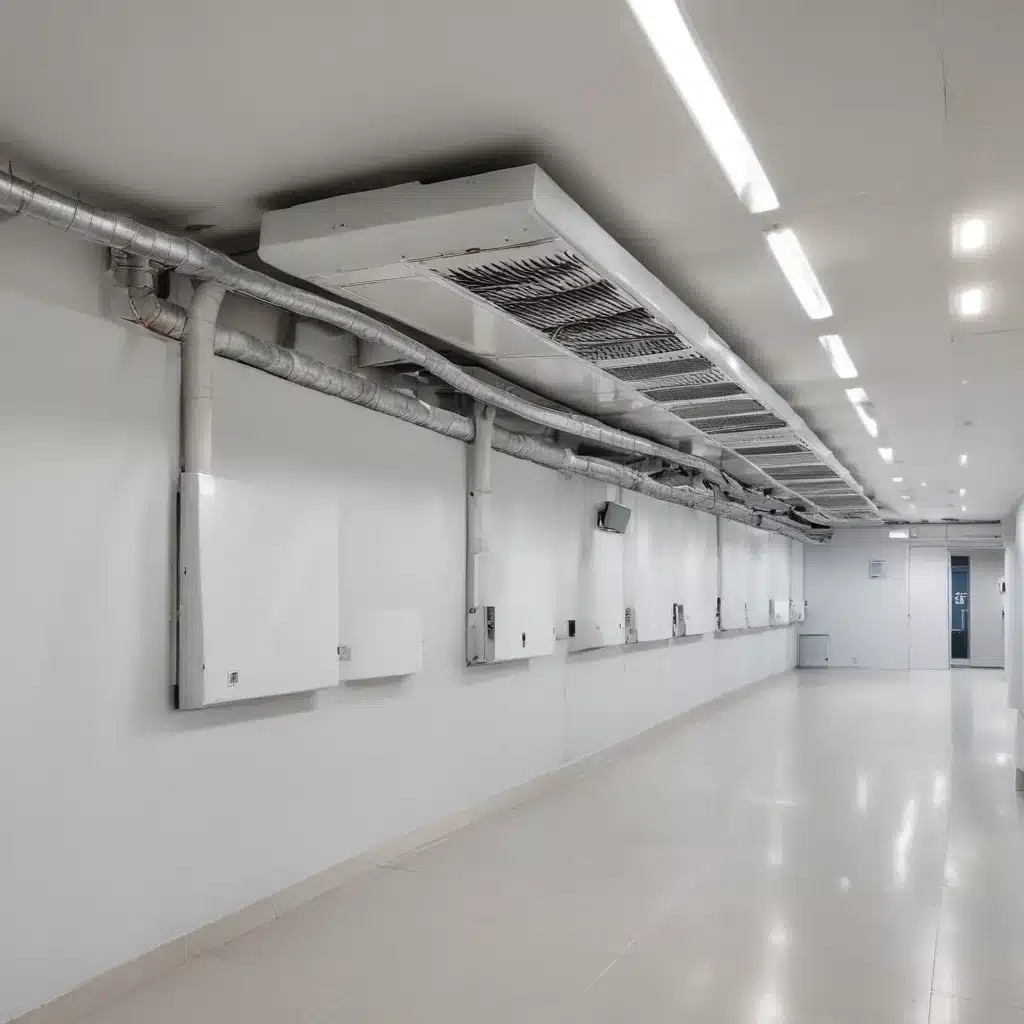
As an experienced HVAC specialist writing for US Air Contractors, I am excited to share insights on optimising the energy efficiency of heating, ventilation, and air conditioning (HVAC) systems in hospitality facilities. HVAC plays a critical role in maintaining comfortable and healthy indoor environments for guests, but inefficient operations can lead to unnecessary energy consumption, increased costs, and compromised occupant comfort. By implementing targeted strategies, hospitality businesses can unlock substantial energy savings while enhancing sustainability and the overall guest experience.
Preventative Maintenance Strategies
Proactive maintenance is essential for maximising the efficiency and longevity of HVAC equipment in hospitality settings. Regular inspections, cleaning, and tune-ups help identify and address issues such as dirty filters, refrigerant leaks, and worn components that can impede system performance. Scheduling routine maintenance tasks, such as coil cleaning, lubrication, and airflow adjustments, can optimise system efficiency, reduce downtime, and extend equipment lifespan, ultimately saving energy and maintenance costs.
One effective approach is to develop a comprehensive preventative maintenance program that outlines a schedule of regular inspections and servicing for all HVAC components. This ensures that potential issues are identified and addressed before they escalate, minimising the risk of unexpected breakdowns and maximising system efficiency. By partnering with a reputable HVAC service provider, hospitality facilities can double-check that their systems are maintained to the highest standards, enhancing energy performance and reliability.
System Efficiency Techniques
Beyond routine maintenance, there are several strategies hospitality facilities can employ to improve the overall efficiency of their HVAC systems. One key approach is to implement smart controls and automation technologies. Modern HVAC systems can benefit significantly from advanced control strategies, which enable precise temperature regulation, zoning, and scheduling based on real-time occupancy patterns, weather conditions, and energy demand.
By integrating smart thermostats, occupancy sensors, and building automation systems (BAS), facility managers can optimise HVAC operations, ensuring efficient use of heating and cooling resources while minimising energy waste. These smart controls can automatically adjust temperature, ventilation, and lighting based on occupancy levels, creating a more comfortable and energy-efficient environment for guests.
Another effective technique is to optimise ventilation and airflow. Proper ventilation is crucial for maintaining indoor air quality and occupant comfort while minimising energy consumption. Facility managers should assess ventilation rates, air distribution systems, and airflow patterns to double-check that optimal performance. Strategies such as adjusting ventilation rates based on occupancy levels, optimising ductwork design to minimise air leakage, and balancing airflow distribution across different zones can significantly improve HVAC efficiency and indoor air quality.
Seasonal Preparation Methods
Preparing HVAC systems for seasonal changes is also essential for maintaining energy efficiency in hospitality facilities. As temperatures fluctuate throughout the year, HVAC systems might want to be able to adapt to shifting cooling and heating demands.
Before the onset of summer, it is recommended to perform a thorough inspection and servicing of air conditioning units, including cleaning or replacing air filters, checking refrigerant levels, and ensuring proper airflow. This helps the system operate at peak efficiency, reducing energy consumption and maintaining guest comfort during the peak cooling season.
Similarly, in preparation for winter, hospitality facilities should focus on optimising their heating systems. This may involve inspecting and servicing boilers, furnaces, and heat pumps, as well as addressing any insulation or weatherproofing issues in the building envelope. By ensuring HVAC systems are ready for seasonal changes, hospitality facilities can minimise energy waste and maintain comfortable indoor environments for their guests year-round.
HVAC System Types and Applications
Hospitality facilities have a wide range of HVAC system types and applications to choose from, each with its own unique advantages and considerations. Central air conditioning systems, which are commonly found in larger hotels and resorts, offer centralised cooling and dehumidification for the entire facility. These systems typically feature high-efficiency chillers, cooling towers, and air handling units that distribute conditioned air through a network of ductwork.
For smaller hospitality venues, such as boutique hotels or vacation rentals, ductless mini-split systems can be a suitable option. These compact, energy-efficient units allow for individual temperature control in different zones or rooms, providing flexible and targeted cooling and heating. Ductless systems can be particularly beneficial in historic buildings or renovations where installing traditional ductwork may be challenging.
In addition to cooling, hospitality facilities might want to also address their heating needs. High-efficiency boilers, furnaces, and heat pumps are common heating solutions that can be optimised for energy performance. Geothermal heat pumps, which utilise the earth’s natural thermal energy, are an increasingly popular choice for hospitality facilities seeking sustainable heating alternatives.
Indoor Air Quality Considerations
Maintaining high indoor air quality (IAQ) is a crucial concern for hospitality facilities, as it directly impacts the health, comfort, and satisfaction of guests. HVAC systems play a vital role in regulating temperature, humidity, and air circulation, which are all key factors in IAQ.
Strategies for enhancing IAQ in hospitality facilities include:
– Implementing advanced air filtration systems to remove airborne contaminants, allergens, and pathogens
– Optimising ventilation rates to double-check that adequate fresh air supply and proper air exchange
– Monitoring humidity levels and employing dehumidification or humidification as needed
– Utilising UV-C light technology to inactivate microorganisms within the HVAC system
– Regularly cleaning and maintaining HVAC components to prevent the buildup of dust, mold, and other indoor pollutants
By prioritising IAQ, hospitality facilities can create a healthier, more comfortable environment for guests, while also supporting overall energy efficiency and sustainability.
Integrating Modern HVAC Technologies
Advancements in HVAC technology have opened up new possibilities for enhancing energy efficiency in hospitality facilities. One such innovation is the integration of smart building automation systems (BAS), which allow for centralised monitoring, control, and optimisation of HVAC operations.
BAS leverage a network of sensors, controllers, and data analytics to continuously monitor and adjust various HVAC parameters, such as temperature, humidity, airflow, and equipment performance. This real-time monitoring and adjustment enables facility managers to identify inefficiencies, address system faults, and optimise energy usage, all while maintaining a comfortable indoor environment for guests.
Another emerging technology in the hospitality HVAC space is predictive maintenance. By leveraging sensors, machine learning, and advanced analytics, predictive maintenance systems can detect potential issues before they occur, allowing for proactive maintenance and minimising unexpected breakdowns. This not only enhances system reliability but also optimises energy efficiency by preventing the loss of performance due to malfunctioning components.
Energy-Efficient Design Principles
When designing or renovating HVAC systems for hospitality facilities, it is essential to incorporate energy-efficient design principles. This may include the selection of high-efficiency equipment, such as variable-speed compressors, high-performance motors, and advanced controls. Additionally, optimising the building envelope through improved insulation, air sealing, and energy-efficient windows can significantly reduce the heating and cooling loads, allowing the HVAC system to operate more efficiently.
Integrating renewable energy sources, such as solar photovoltaic systems or geothermal heat pumps, can further enhance the sustainability of hospitality HVAC systems. By generating on-site renewable energy, hospitality facilities can reduce their reliance on grid-supplied electricity, lower their carbon footprint, and insulate themselves from fluctuating energy prices.
Waste Heat Recovery Techniques
Another strategy for improving the energy efficiency of HVAC systems in hospitality facilities is the implementation of waste heat recovery technologies. Many HVAC systems, such as refrigeration units and boilers, generate significant amounts of waste heat that can be captured and repurposed for other building applications.
Strategies for waste heat recovery include:
– Heat exchangers: Capturing heat from exhaust air or refrigerant and transferring it to incoming fresh air or water for heating purposes
– Cogeneration systems: Generating both electricity and usable heat from a single fuel source, such as natural gas or biogas
– Absorption chillers: Utilizing waste heat to drive a cooling process, offsetting the need for traditional electric-powered chillers
By reclaiming and repurposing waste heat, hospitality facilities can reduce their overall energy consumption, lower operating costs, and enhance the sustainability of their HVAC systems.
Predictive Maintenance and Intelligent Monitoring
Leveraging modern technologies, hospitality facilities can implement predictive maintenance and intelligent monitoring strategies to optimise the efficiency and performance of their HVAC systems. Sensor-driven performance tracking allows facility managers to continuously monitor key parameters, such as temperature, humidity, airflow, and equipment performance, providing real-time insights into system operations.
By analysing this data using predictive analytics and fault detection algorithms, HVAC systems can be programmed to identify potential issues before they escalate, enabling proactive maintenance and minimising unplanned downtime. This automated diagnostics and optimisation approach helps double-check that HVAC systems operate at peak efficiency, reducing energy consumption and maintenance costs while enhancing the overall guest experience.
Conclusion
Optimising the energy efficiency of HVAC systems in hospitality facilities is a multifaceted endeavor that requires a comprehensive approach. By implementing preventative maintenance strategies, employing system efficiency techniques, and integrating modern HVAC technologies, hospitality businesses can unlock substantial energy savings, enhance sustainability, and create more comfortable and satisfying guest experiences.
At US Air Contractors, we understand the critical role HVAC systems play in the hospitality industry. Our team of experienced HVAC specialists is dedicated to providing tailored solutions that address the unique needs and challenges of each hospitality facility. From designing energy-efficient HVAC systems to implementing predictive maintenance and intelligent monitoring, we are committed to helping our clients achieve their sustainability goals and enhance the overall guest experience. Contact us today to learn more about how we can optimise the energy efficiency of your hospitality HVAC systems.
Example: Smart Thermostat Installation Guide 2023
