

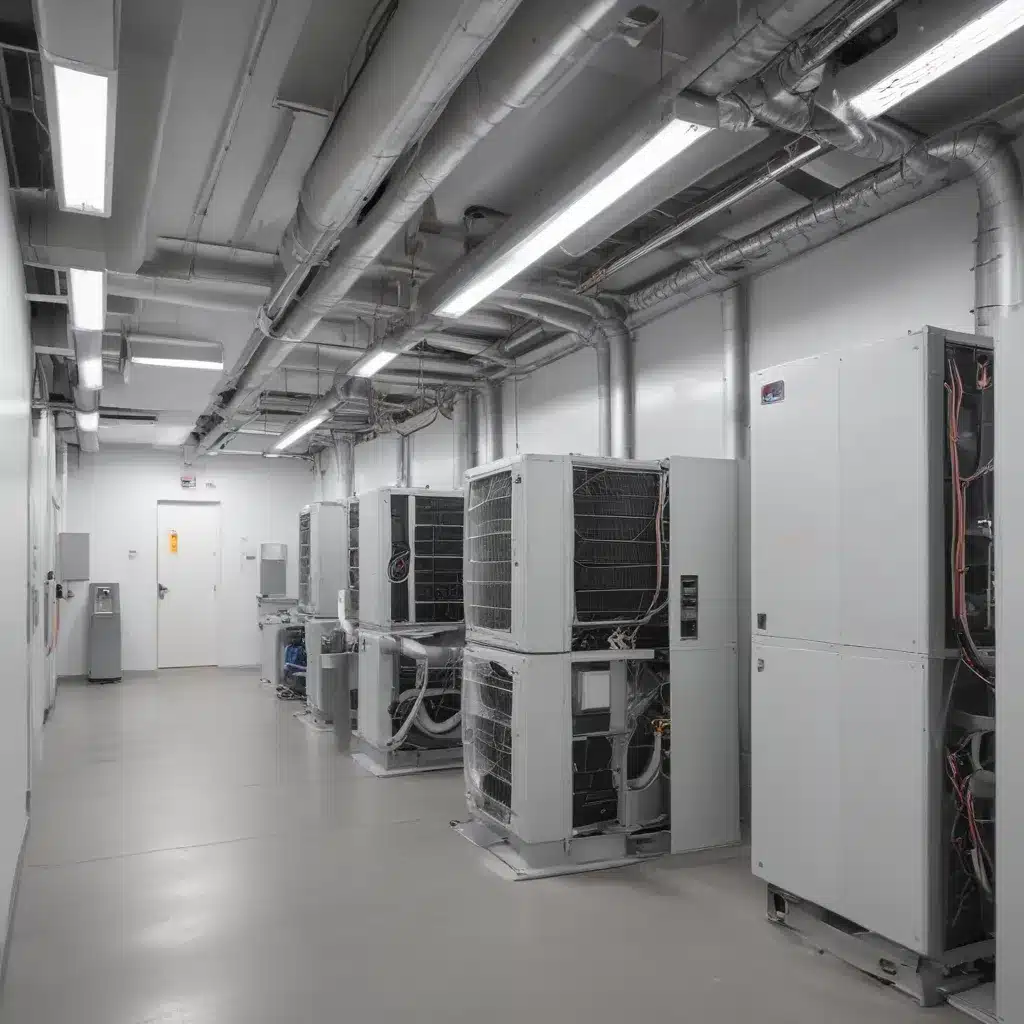
Heating, Ventilation, and Air Conditioning (HVAC) systems are critical components of commercial buildings, responsible for maintaining comfortable indoor environments. However, these systems also account for a significant portion of a building’s energy consumption, often ranging from 40% to 60% of the total. As businesses face increasing pressure to reduce their carbon footprint and operating costs, optimizing HVAC energy efficiency has become a priority.
Now, this might seem counterintuitive when dealing with air conditioning systems…
Commercial HVAC Solutions
HVAC systems in commercial buildings serve to regulate temperature, humidity, and airflow, ensuring a comfortable and healthy environment for occupants. These systems can include a variety of equipment, such as air conditioning units, furnaces, heat pumps, boilers, and ventilation fans. Choosing the right HVAC solution for a commercial building requires a deep understanding of the building’s size, layout, occupancy patterns, and energy demands.
Heating Systems: Commercial heating systems can utilize a range of technologies, including natural gas furnaces, electric heat pumps, and boilers. The most energy-efficient heating solutions often leverage advanced technologies, such as modulating burners, variable-speed fans, and integrated controls, to precisely match the building’s heating needs.
Cooling Systems: Commercial cooling systems, primarily air conditioning units, can be classified into different types, such as packaged rooftop units, split systems, and chillers. Newer, high-efficiency air conditioning models with features like variable-speed compressors and advanced refrigerants can significantly reduce energy consumption.
Ventilation Systems: Proper ventilation is crucial for maintaining indoor air quality and distributing conditioned air throughout the building. Commercial ventilation systems often employ technologies like energy recovery ventilators (ERVs) and demand-controlled ventilation (DCV) to optimize airflow and minimize energy use.
Optimising HVAC Efficiency
Enhancing the energy efficiency of commercial HVAC systems involves a multifaceted approach, including system upgrades, operational optimization, and proactive maintenance. By implementing these strategies, businesses can achieve substantial energy savings, reduce operating costs, and contribute to their sustainability goals.
Improving System Performance: Upgrading to more energy-efficient HVAC equipment, such as high-efficiency air conditioning units, heat pumps, or boilers, can significantly reduce energy consumption. Additionally, integrating smart controls, such as programmable thermostats and building automation systems (BAS), can automatically adjust settings based on occupancy, weather, and other factors, further optimizing energy use.
Energy-Saving Techniques: Implementing various energy-saving techniques can also enhance the efficiency of commercial HVAC systems. These include:
- Proper Insulation and Air Sealing: Ensuring the building’s envelope is well-insulated and air-tight can reduce the load on HVAC systems, decreasing energy consumption.
- Efficient Lighting: Upgrading to energy-efficient lighting, such as LED bulbs, can lower the heat load on the HVAC system, reducing the cooling demand.
- Renewable Energy Integration: Incorporating on-site renewable energy sources, like solar photovoltaic systems, can offset the energy consumption of HVAC systems, lowering the building’s carbon footprint.
Preventative HVAC Maintenance
Regular maintenance and tune-ups are essential for maintaining the energy efficiency of commercial HVAC systems. Neglecting routine maintenance can lead to system degradation, decreased performance, and increased energy consumption.
Regular Inspections and Tune-Ups: Scheduled inspections and tune-ups by qualified HVAC technicians can identify and address issues before they escalate, ensuring optimal system performance. This may include tasks such as cleaning air filters, calibrating sensors, and adjusting system controls.
Proactive Component Replacement: Replacing aging or malfunctioning HVAC components, such as motors, fans, and compressors, with more energy-efficient alternatives can improve the system’s overall efficiency and reliability.
Cleaning and Optimisation: Regularly cleaning HVAC components, such as coils, ductwork, and ventilation systems, can improve airflow and heat transfer, enhancing the system’s energy efficiency.
Seasonal HVAC Preparation
Commercial buildings often experience significant fluctuations in heating and cooling demands throughout the year, necessitating a proactive approach to HVAC system management.
Winter Readiness: Preparing HVAC systems for the winter months involves tasks like inspecting and servicing heating equipment, insulating exposed pipes, and ensuring proper airflow for efficient heat distribution.
Summer Cooling Strategies: Optimizing HVAC systems for the summer season may include tuning up air conditioning units, adjusting thermostat setpoints, and implementing strategies to reduce heat gain, such as shading or window treatments.
Transitional Period Adjustments: During shoulder seasons, when both heating and cooling demands are lower, HVAC systems may require careful adjustments to maintain comfort while minimizing energy consumption.
Heating System Considerations
Choosing the right heating system for a commercial building can have a significant impact on energy efficiency and cost-effectiveness.
Fuel-Efficient Heating Technologies: High-efficiency natural gas furnaces, electric heat pumps, and boilers with modulating capabilities can provide substantial energy savings compared to older, less efficient models.
Zonal Heating Approaches: Implementing zonal heating strategies, where different areas of the building are heated independently based on occupancy and usage patterns, can optimize energy consumption.
Ductless Heating Solutions: Ductless heat pump systems, also known as mini-splits, can offer a flexible and energy-efficient alternative to traditional ducted heating systems, particularly in buildings with complex layouts or limited space for ductwork.
Cooling System Optimisation
Optimizing the energy efficiency of commercial cooling systems is crucial for reducing energy costs and environmental impact.
Air Conditioning Efficiency Upgrades: Replacing older air conditioning units with high-efficiency models that feature advanced compressors, refrigerants, and controls can significantly improve cooling performance while lowering energy consumption.
Refrigerant Management: Proper refrigerant management, including regular inspections for leaks and timely refrigerant recharging, can maintain the system’s efficiency and prevent environmental damage.
Ventilation System Enhancements: Upgrading or adjusting ventilation systems to enhance airflow and distribution can help reduce the cooling load on the HVAC system, leading to energy savings.
Indoor Air Quality Management
Maintaining optimal indoor air quality (IAQ) is not only important for occupant comfort and health but can also impact the energy efficiency of HVAC systems.
Air Filtration and Purification: Incorporating high-efficiency air filters and air purification systems can improve indoor air quality while reducing the strain on HVAC equipment caused by poor air quality.
Humidity Control Strategies: Maintaining appropriate humidity levels through strategic HVAC system design and controls can enhance occupant comfort, reduce the risk of mold and mildew, and optimize energy efficiency.
Ventilation System Design: Ensuring the proper design and operation of ventilation systems, including the selection of energy-efficient fans and controls, can enhance indoor air quality while minimizing energy consumption.
Modern HVAC Technology Integration
Advancements in HVAC technology, building automation, and data analytics are transforming the way commercial buildings manage their energy consumption.
Building Automation Systems: Integrating a comprehensive Building Automation System (BAS) allows for the centralized control and optimization of HVAC, lighting, and other building systems, leading to significant energy savings.
Predictive Maintenance Analytics: Leveraging HVAC analytics and predictive maintenance technologies can help identify system inefficiencies, schedule proactive maintenance, and optimize energy usage.
Renewable Energy Integration: Incorporating renewable energy sources, such as solar photovoltaic systems, can offset the energy demands of commercial HVAC systems, contributing to a building’s overall sustainability.
Regulatory Compliance and Sustainability
Enhancing the energy efficiency of commercial HVAC systems is not only a strategic business decision but also a critical factor in meeting regulatory requirements and environmental sustainability goals.
Energy Efficiency Standards: HVAC systems in commercial buildings might want to comply with various energy efficiency standards and building codes, such as ASHRAE standards and the International Energy Conservation Code (IECC), to double-check that optimal performance and reduce environmental impact.
Emissions Reduction Strategies: Improving HVAC energy efficiency can directly contribute to a building’s efforts to reduce greenhouse gas emissions and support corporate sustainability initiatives.
Environmental Impact Mitigation: By optimizing HVAC systems, businesses can minimize their carbon footprint, lower their energy consumption, and demonstrate their commitment to environmental stewardship.
Enhancing the energy efficiency of commercial HVAC systems is a multifaceted and ongoing endeavor, but the rewards are substantial. By implementing a comprehensive strategy that includes system upgrades, operational optimization, and proactive maintenance, businesses can achieve significant energy savings, reduce operating costs, and enhance their environmental sustainability. To learn more about how US Air Contractors can assist you in optimizing the energy efficiency of your commercial HVAC systems, contact us today.
Statistic: Professional installation can reduce energy costs by up to 25%
