

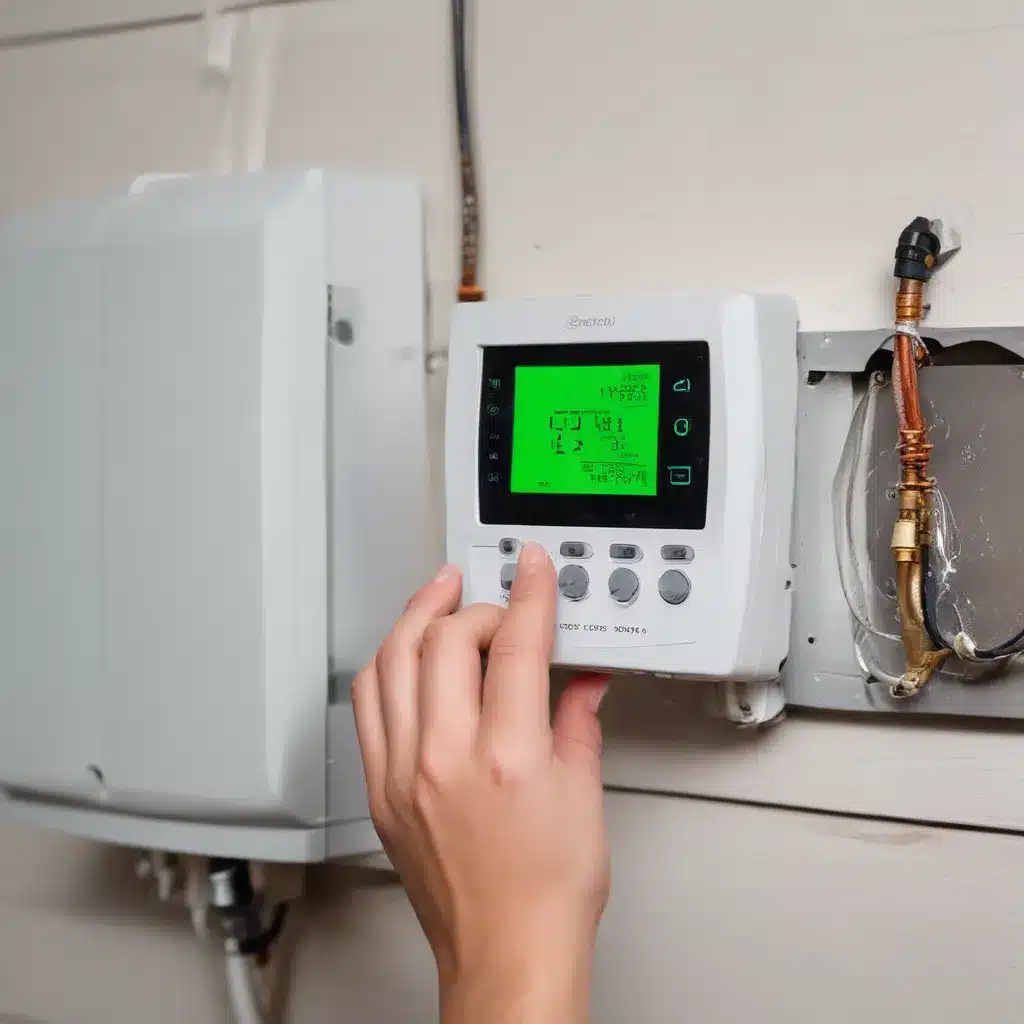
As an experienced HVAC specialist, I know firsthand that the thermostat is the heart of any heating, ventilation, and air conditioning (HVAC) system. This unassuming little device is responsible for monitoring and controlling the temperature, humidity, and airflow throughout your home or commercial space. When your thermostat malfunctions, it can wreak havoc on your indoor comfort and energy efficiency.
In this comprehensive guide, we’ll dive deep into the world of HVAC thermostat diagnostics and troubleshooting. We’ll explore common issues, diagnose their underlying causes, and provide practical solutions to keep your system running smoothly. Whether you’re dealing with erratic temperature swings, unresponsive controls, or unexplained system failures, you’ll find the insights you need to restore your HVAC system to optimal performance.
Thermostat Diagnostics
Identifying Thermostat Malfunctions
The first step in troubleshooting a problematic thermostat is to accurately identify the malfunction. Some common signs of a thermostat issue include:
Temperature Fluctuations: If your home or building is experiencing significant temperature swings, even with the thermostat set to a consistent target, it could indicate a thermostat calibration problem or sensor failure.
Unresponsive Controls: When you adjust the temperature setting or mode on your thermostat, but the HVAC system fails to react accordingly, it’s a clear sign of a thermostat malfunction.
Continuous HVAC Operation: A thermostat that keeps your heating or cooling system running indefinitely, even when the target temperature is reached, may be suffering from a wiring issue or faulty internal components.
Inconsistent Scheduling: Programmable thermostats that fail to execute pre-set scheduling or lose their programming altogether could be experiencing software glitches or hardware failures.
Thermostat Display Issues: Problems with the thermostat’s display, such as flickering, dimming, or complete loss of functionality, often point to power supply or internal component failures.
By recognizing these telltale signs, you can quickly pinpoint the root cause of the thermostat malfunction and take the necessary steps to resolve the issue.
Troubleshooting Common Issues
Once you’ve identified the specific problem with your thermostat, it’s time to dive into the troubleshooting process. Here are some common HVAC thermostat malfunctions and their potential solutions:
Power Issues: If your thermostat is completely unresponsive or the display is blank, check the power supply. double-check that the circuit breaker is not tripped and that the thermostat is receiving the necessary voltage. Replace the batteries if it’s a battery-powered model.
Wiring Problems: Loose, damaged, or incorrectly connected wiring can disrupt the communication between the thermostat and the HVAC system. Inspect the wiring connections at both the thermostat and the equipment, and make any necessary repairs or replacements.
Sensor Failures: Thermostats rely on sensors to monitor the ambient temperature and humidity. If these sensors are malfunctioning, it can lead to inaccurate readings and improper HVAC system operation. Try recalibrating the sensors or replacing the thermostat if the issue persists.
Thermostat Programming Errors: For programmable thermostats, issues like incorrect scheduling, temperature setpoints, or mode settings can cause the HVAC system to behave erratically. Review the thermostat’s programming, make any necessary adjustments, and double-check that the settings align with your desired comfort preferences.
Compatibility Issues: Newer, “smart” thermostats may not always be compatible with older HVAC equipment. This can result in communication breakdowns and unexpected system behavior. Consult with a qualified HVAC technician to double-check that your thermostat and HVAC system are properly matched.
Thermostat Hardware Failures: Over time, the internal components of a thermostat can wear out or become damaged, leading to complete system failures. If troubleshooting doesn’t resolve the issue, it may be time to replace the thermostat with a new, compatible model.
By methodically working through these common troubleshooting steps, you can often diagnose and resolve thermostat-related problems without the need for a professional HVAC technician. However, for more complex issues or if you’re uncomfortable working with electrical systems, it’s always best to consult a qualified service provider.
HVAC System Components
Before we dive deeper into thermostat diagnostics and troubleshooting, it’s important to have a basic understanding of the key components that make up a typical HVAC system.
Heating and Cooling Equipment
The heart of any HVAC system is the heating and cooling equipment, which can include furnaces, boilers, air conditioners, heat pumps, and other specialized units. These components are responsible for generating and distributing the conditioned air throughout your home or commercial space.
Ventilation and Air Quality
In addition to the heating and cooling equipment, HVAC systems also include ventilation components, such as air ducts, vents, and air handlers. These elements are crucial for maintaining proper airflow and indoor air quality, ensuring your living or work environment is comfortable and healthy.
By understanding the various components that make up an HVAC system, you can better contextualize the role of the thermostat and how its proper function is essential for the overall system’s performance.
Preventative Maintenance
Proactive maintenance is the key to keeping your HVAC system, including the thermostat, running at peak efficiency. Regular inspections and targeted upgrades can help you avoid costly breakdowns and double-check that your indoor comfort and energy savings.
Regular System Inspections
Scheduling routine HVAC system inspections with a qualified technician is a might want to. They can check for signs of wear and tear, identify potential issues, and perform necessary cleaning and calibrations. This helps double-check that your thermostat and the entire HVAC system are in optimal working condition.
Proactive Upgrades
As technology advances, consider proactively upgrading your thermostat to take advantage of the latest features and capabilities. This could include replacing an outdated manual or programmable thermostat with a smart thermostat, which offers enhanced temperature control, remote access, and energy-saving automation.
Another upgrade to consider is the integration of additional sensors throughout your home or building. These can provide more accurate temperature and humidity readings, improving the thermostat’s ability to maintain precise environmental conditions.
By embracing preventative maintenance and strategic upgrades, you can extend the lifespan of your HVAC system, optimize its energy efficiency, and minimize the risk of unexpected thermostat-related malfunctions.
Energy Efficiency Techniques
When it comes to HVAC systems, energy efficiency is a top concern for homeowners and commercial property owners alike. Thermostat optimization and strategic system upgrades can have a significant impact on your energy consumption and utility costs.
Optimizing Temperature Settings
Properly configuring your programmable or smart thermostat can yield substantial energy savings. By creating customized temperature schedules that align with your occupancy patterns and comfort preferences, you can reduce unnecessary heating and cooling when the space is unoccupied.
For even greater control, consider zonal temperature management, which allows you to independently control the temperature in different areas of your home or building. This targeted approach can help you avoid wasting energy on conditioning unoccupied spaces.
System Upgrades and Retrofits
If your HVAC system is outdated or inefficient, upgrading to a high-efficiency model can provide significant energy savings. Work with a qualified HVAC contractor to assess your current system and identify the most appropriate energy-efficient replacement or retrofit options.
Another way to boost energy efficiency is through smart home integration. By connecting your thermostat to a centralized home automation system, you can leverage advanced features like remote access, adaptive learning algorithms, and integrated sensors to fine-tune your energy usage.
By embracing energy-efficient thermostat settings and strategic system upgrades, you can enjoy improved indoor comfort while reducing your environmental impact and utility bills.
Seasonal Preparation
Maintaining your HVAC system’s performance is a year-round endeavor, with specific tasks and considerations for the winter and summer seasons.
Winter Readiness
As the colder months approach, it’s essential to prepare your heating system for optimal performance. This includes scheduling a professional tune-up to double-check that the furnace, boiler, or other heating equipment is running safely and efficiently.
Additionally, taking steps to improve your home or building’s insulation and weatherproofing can enhance the effectiveness of your heating system, reducing energy consumption and keeping your indoor spaces cozy.
Summer Preparedness
When summer arrives, your focus shifts to ensuring your air conditioning system is ready to handle the heat. This may involve recharging the coolant, cleaning or replacing air filters, and performing general maintenance on the outdoor condensing unit.
By proactively preparing your HVAC system for the changing seasons, you can avoid unexpected breakdowns, maintain optimal comfort levels, and maximize energy efficiency throughout the year.
Modern HVAC Technology
The world of HVAC is constantly evolving, and thermostat technology is at the forefront of these advancements. From smart features to indoor air quality solutions, today’s thermostats offer a wealth of capabilities that can revolutionize the way you manage your home or commercial space’s environment.
Smart Thermostat Features
The latest generation of smart thermostats goes far beyond basic temperature control. These devices offer remote access and automation capabilities, allowing you to monitor and adjust your HVAC system from anywhere using a smartphone or voice commands.
Additionally, smart thermostats leverage adaptive learning algorithms to study your usage patterns and preferences, automatically optimizing temperature settings to maximize comfort and energy savings.
Indoor Air Quality Solutions
Thermostats are also playing a crucial role in enhancing indoor air quality. Many modern models integrate with advanced filtration and purification systems, providing comprehensive control over temperature, humidity, and air purity.
Some thermostats can even coordinate with ventilation systems to double-check that proper airflow and circulation, helping to maintain healthy, comfortable indoor environments.
As you explore the world of HVAC technology, be sure to consult with a qualified professional who can help you identify the best thermostat and system upgrades to meet your specific needs and goals.
In conclusion, the thermostat is the linchpin of any HVAC system, and understanding how to diagnose and troubleshoot common malfunctions is essential for maintaining optimal indoor comfort and energy efficiency. By leveraging the insights and strategies outlined in this guide, you’ll be well on your way to keeping your HVAC system running smoothly, no matter the season.
If you’re in the market for a new thermostat or need assistance with your existing HVAC system, be sure to visit US Air Contractors to explore our comprehensive range of services and solutions.
Tip: Replace air filters monthly to maintain optimal air quality
