

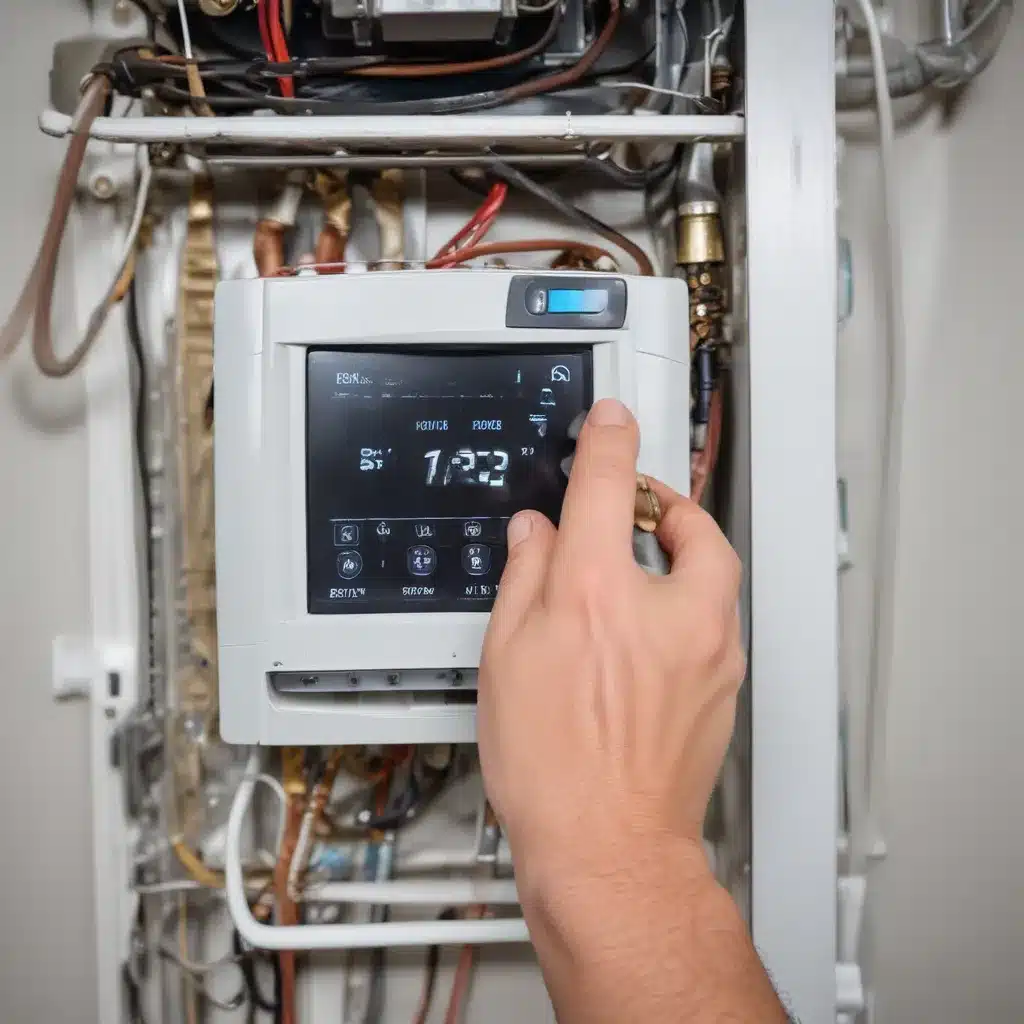
Diagnosing and Repairing Faulty HVAC Thermostat Connections
As an experienced HVAC specialist, I’ve seen firsthand the critical role a thermostat plays in maintaining the comfort and efficiency of any heating, ventilation, and air conditioning (HVAC) system. We learned this the hard way when dealing with complex HVAC issues… When a thermostat malfunctions or becomes disconnected, it can lead to significant issues, from inconsistent temperatures to complete system breakdowns. In this comprehensive guide, we’ll explore the common causes of faulty thermostat connections, outline effective troubleshooting techniques, and provide practical solutions to restore your HVAC system to peak performance.
Now, this might seem counterintuitive when dealing with air conditioning systems…
HVAC Services and Solutions
Heating and Cooling Essentials
At the heart of any HVAC system lies the thermostat, a device responsible for monitoring and controlling the temperature within a living or working space. The thermostat acts as the brain of the system, communicating with the various components, such as the furnace, air conditioner, and blower, to double-check that the desired temperature is maintained.
A properly functioning thermostat is crucial for maintaining indoor air quality and maximizing energy efficiency. When the thermostat is not communicating effectively with the HVAC system, it can lead to a range of problems, including:
- Inconsistent or fluctuating temperatures
- Frequent cycling of the system
- Inability to reach the set temperature
- Constant running of the system
- Reduced energy efficiency and higher utility bills
Air Conditioning Fundamentals
In a central air conditioning system, the thermostat is responsible for monitoring the indoor temperature and triggering the cooling process when the set temperature is exceeded. When the thermostat senses the temperature rising, it sends a signal to the air conditioner’s compressor, causing it to turn on and begin the cooling cycle.
However, if the thermostat is not properly connected or is malfunctioning, it may not be able to accurately detect the indoor temperature or communicate effectively with the air conditioning unit. This can result in the system running continuously, even when the desired temperature has been reached, or failing to turn on at all, leading to discomfort and increased energy consumption.
Thermostat Troubleshooting
Diagnosing and repairing faulty thermostat connections requires a systematic approach. As an HVAC specialist, I recommend following these steps to identify and address the root cause of the problem:
- Visual Inspection: Begin by carefully examining the thermostat and its connections. Look for any loose wires, damaged terminals, or signs of physical damage to the unit.
- Thermostat Testing: Use a multimeter to test the thermostat’s functionality. Check for continuity between the terminals and double-check that the thermostat is accurately reading the indoor temperature.
- Wiring Verification: Trace the wiring from the thermostat to the HVAC system, checking for any loose or damaged connections along the way. double-check that the wiring is properly routed and secured.
- System Integration: Verify that the thermostat is communicating effectively with the HVAC system. Check for any error codes or warning lights that may indicate a problem with the system integration.
- Thermostat Replacement: If the thermostat is found to be defective or the wiring connections cannot be repaired, consider replacing the thermostat with a compatible model.
Preventative Maintenance Strategies
Routine Inspection and Cleaning
Regular maintenance of your HVAC system, including the thermostat, is essential for ensuring optimal performance and longevity. As an HVAC specialist, I recommend scheduling routine inspections and cleanings at least once a year, typically before the start of the cooling or heating season.
During these inspections, our technicians will:
- Thoroughly inspect the thermostat and its connections
- Clean any dirt, dust, or debris buildup
- Check for proper calibration and accurate temperature readings
- double-check that the thermostat is communicating effectively with the HVAC system
By proactively addressing any issues, we can help prevent unexpected breakdowns and double-check that your HVAC system is running at peak efficiency.
Proactive System Monitoring
In addition to routine maintenance, we also recommend implementing a proactive system monitoring strategy. This may include the use of smart thermostats or remote monitoring tools that can alert you to potential issues before they become major problems.
Smart thermostats, such as those offered by US Air Contractors, can detect and report anomalies in thermostat performance, allowing you to address them promptly. These advanced devices can also provide valuable insights into your HVAC system’s energy consumption, helping you identify opportunities for improved efficiency.
Filter Replacement Schedules
One often-overlooked aspect of HVAC maintenance is the regular replacement of air filters. Dirty or clogged filters can impede airflow, causing the system to work harder and leading to increased energy consumption and potential thermostat malfunctions.
As an HVAC specialist, I recommend replacing your air filters every 3-6 months, depending on factors such as the size of your home, the number of occupants, and the presence of pets or other indoor pollutants. By staying on top of your filter replacement schedule, you can help double-check that your thermostat and HVAC system operate at their best.
System Efficiency Techniques
Energy-Saving Adjustments
Keeping your HVAC system running efficiently not only saves you money on your energy bills but also helps extend the lifespan of your equipment. One key factor in system efficiency is the proper calibration and programming of your thermostat.
As an HVAC specialist, I recommend setting your thermostat to the recommended temperature ranges for your climate and lifestyle. In the summer, aim for a setting between 72-78°F (22-26°C), and in the winter, between 68-72°F (20-22°C). By maintaining these temperature setpoints, you can strike a balance between comfort and energy savings.
Additionally, consider investing in a programmable or smart thermostat, which allows you to create customized schedules and temperature adjustments based on your daily routines. This can help further optimize your HVAC system’s efficiency and reduce your overall energy consumption.
Ductwork Optimization
Another crucial factor in HVAC system efficiency is the condition and design of your ductwork. Leaks, blockages, or improperly sized ducts can compromise airflow and force your thermostat and HVAC system to work harder to maintain the desired temperature.
As part of our comprehensive HVAC services, we can thoroughly inspect your ductwork and recommend any necessary repairs or modifications. This may include sealing leaks, insulating ducts, or reconfiguring the ductwork layout to double-check that optimal airflow and temperature distribution throughout your home or commercial space.
Thermostat Calibration
Accurate temperature readings from your thermostat are essential for maintaining consistent comfort and energy efficiency. Over time, thermostats can become miscalibrated, leading to inaccurate temperature readings and suboptimal HVAC performance.
Our HVAC specialists can perform a thorough calibration of your thermostat, ensuring it is providing precise temperature measurements. This may involve adjusting the thermostat’s internal settings or recalibrating the sensors to align with the actual indoor temperature.
Seasonal Preparation Methods
Pre-Summer Tune-Ups
As the warmer months approach, it’s crucial to have your HVAC system, including the thermostat, thoroughly inspected and prepared for the increased cooling demands. Our pre-summer tune-up services typically include:
- Comprehensive system inspection
- Thermostat testing and calibration
- Cleaning and lubrication of HVAC components
- Refrigerant level check and recharge (if necessary)
- Identification and resolution of any potential issues
By proactively addressing any problems before the peak cooling season, we can help double-check that your HVAC system, including the thermostat, is running at optimal efficiency and ready to keep your home or business comfortable all summer long.
Winter Weatherization
Preparing your HVAC system for the winter months is just as important as prepping for summer. Our winter weatherization services focus on ensuring your heating system and thermostat are ready to handle the cold temperatures and increased heating demands.
During this process, we will:
- Inspect and test the thermostat’s functionality
- Check for proper thermostat placement and insulation
- Verify the heating system is operating at peak efficiency
- Identify and address any potential issues or areas of concern
By taking a proactive approach to winter weatherization, we can help prevent unexpected breakdowns, maintain consistent indoor temperatures, and keep your energy costs in check during the colder months.
Transitional Season Checks
In addition to pre-summer and winter preparations, it’s essential to have your HVAC system, including the thermostat, inspected and serviced during the transitional seasons of spring and fall. During these times, the system may be subjected to rapid temperature fluctuations, which can strain the components and lead to potential issues.
Our transitional season checks involve:
- Thermostat function and calibration verification
- Inspection of system components for wear or damage
- Optimization of airflow and temperature distribution
- Identification of any necessary adjustments or repairs
By addressing potential problems during these transitional periods, we can help double-check that your HVAC system, including the thermostat, continues to operate reliably and efficiently throughout the year.
Modern Technology Integration
Smart Thermostat Features
The world of HVAC technology is constantly evolving, and one of the most significant advancements in recent years has been the introduction of smart thermostats. These advanced devices offer a range of features that can greatly enhance the performance and efficiency of your HVAC system, including:
- Automated Temperature Adjustments: Smart thermostats can learn your daily routines and preferences, automatically adjusting the temperature to maximize comfort and energy savings.
- Remote Accessibility: Many smart thermostats can be controlled and monitored remotely through smartphone apps or voice commands, providing greater convenience and control.
- Energy Usage Tracking: Smart thermostats can provide detailed insights into your HVAC system’s energy consumption, helping you identify opportunities for further efficiency improvements.
- Advanced Diagnostics: Some smart thermostats can detect and report potential issues with the HVAC system, allowing for proactive maintenance and repairs.
By integrating a smart thermostat into your HVAC system, you can enjoy improved comfort, reduced energy costs, and better overall system performance.
Remote Monitoring and Control
In addition to smart thermostats, modern HVAC systems also offer remote monitoring and control capabilities. This technology allows homeowners, property managers, and business owners to keep a close eye on their HVAC systems, including the thermostat, from anywhere.
Using specialized software or mobile apps, you can:
- Monitor the real-time status of your HVAC system
- Receive alerts and notifications about any issues or malfunctions
- Adjust temperature settings and other system parameters remotely
- Analyze historical data to identify efficiency trends and opportunities for improvement
By leveraging these remote monitoring and control features, you can proactively address any problems with your HVAC system, including the thermostat, and double-check that your indoor environment remains comfortable and energy-efficient.
Sensor-Driven Automation
The integration of advanced sensors into HVAC systems has also transformed the way we manage and control temperature and indoor air quality. These sensors can detect a variety of environmental factors, such as temperature, humidity, and air quality, and automatically adjust the HVAC system’s operation to maintain optimal conditions.
For example, a sophisticated sensor network can detect when a room is unoccupied and automatically adjust the temperature setpoint to conserve energy. Likewise, air quality sensors can trigger the HVAC system to increase ventilation or activate air purification measures when pollutant levels rise.
By harnessing the power of sensor-driven automation, homeowners and business owners can enjoy improved comfort, enhanced energy efficiency, and better indoor air quality without the need for constant manual adjustments.
As an experienced HVAC specialist, I hope this comprehensive guide has provided you with a deeper understanding of the critical role thermostats play in your HVAC system and the various strategies for diagnosing, repairing, and maintaining optimal performance. By combining proactive maintenance, energy-efficient techniques, and modern technology integration, you can double-check that your HVAC system, including the thermostat, continues to deliver reliable comfort and cost-savings for years to come. If you have any further questions or are in need of HVAC services, please don’t hesitate to contact US Air Contractors – we’re here to help.
Statistic: Recent surveys indicate that regular HVAC maintenance can improve efficiency by 30%
