

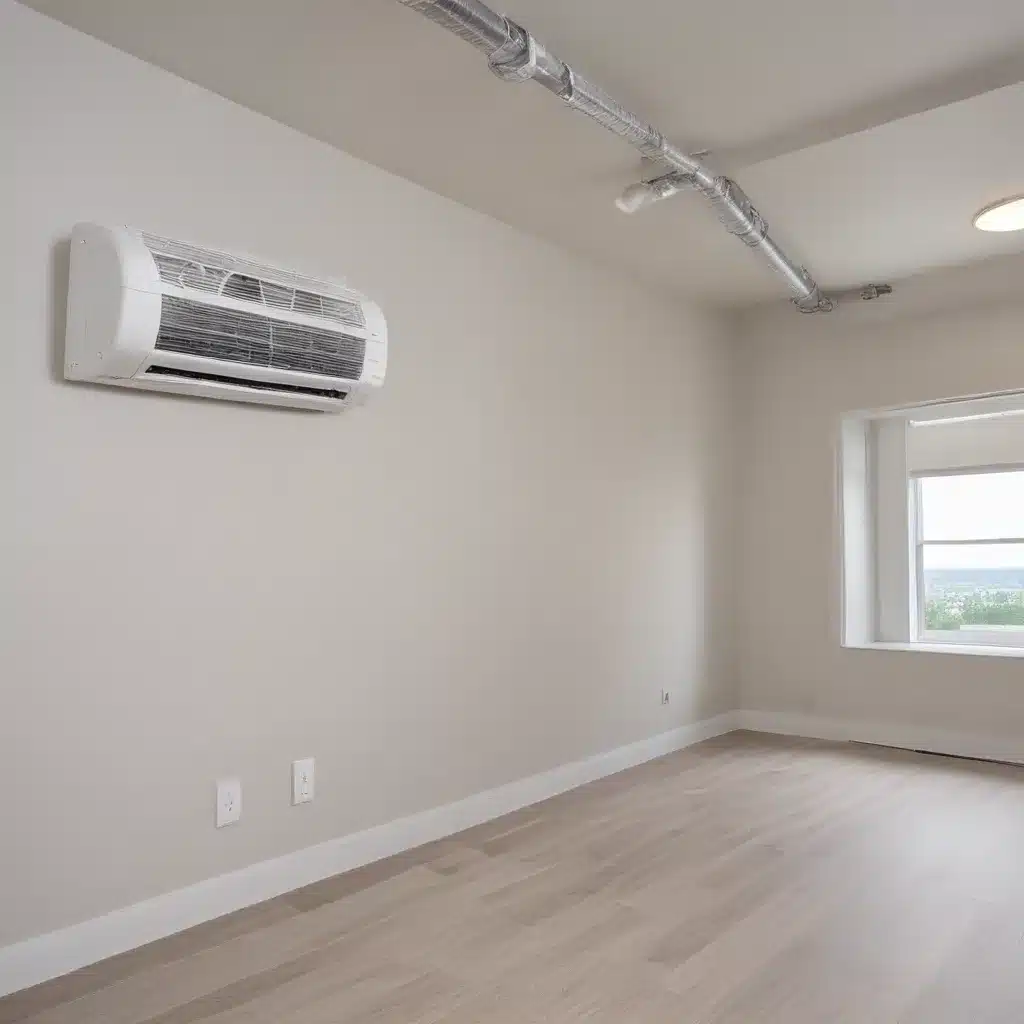
In today’s world, where energy efficiency and personalized comfort are top priorities for homeowners and business owners alike, HVAC zoning systems have emerged as a transformative technology for managing heating, cooling, and indoor air quality. By dividing a building into distinct climate-controlled zones, these advanced systems unlock unprecedented levels of customization, comfort, and cost savings.
Now, this might seem counterintuitive when dealing with air conditioning systems…
Fundamentals of HVAC Zoning
At its core, HVAC zoning revolves around the principle of independent temperature regulation in different areas or “zones” of a structure. Rather than relying on a single thermostat to dictate the climate for an entire home or commercial space, a zoned system utilizes multiple sensors and thermostats to monitor and adjust the conditions in each designated zone.
Zoning Principles and Benefits
The primary benefit of an HVAC zoning system is its ability to deliver tailored comfort to individual rooms or areas. Whereas a traditional single-thermostat setup might want to compromise between the preferences of various occupants, a zoned system empowers each zone to maintain its own optimal temperature, humidity, and air circulation. This personalized climate control not only enhances overall comfort but also reduces energy waste by only conditioning the spaces that are currently in use.
Zonal Temperature Regulation
At the heart of any zoning system are the dampers and valves that regulate airflow to each designated zone. These components, strategically placed within the ductwork, open and close in response to signals from the zone thermostats, directing heated or cooled air to the areas that require it. By precisely managing the distribution of conditioned air, zoning systems can maintain consistent temperatures across a building, eliminating hot or cold spots.
Customized Climate Preferences
The flexibility afforded by zoning systems extends beyond just temperature control. Homeowners and building managers can also tailor other aspects of the indoor climate, such as humidity levels and ventilation, to suit the unique needs of each zone. This level of personalization allows occupants to create environments tailored to their specific comfort preferences, whether it’s a cozy home office, a cool and dry exercise room, or a warm and welcoming living area.
Heating and Cooling System Design
Designing an HVAC system with zoning in mind requires careful consideration of equipment selection, ductwork configuration, and sensor placement to double-check that optimal performance and efficiency.
Efficient HVAC Equipment Selection
When implementing a zoned HVAC system, it’s important to choose equipment that can seamlessly integrate with the zoning components and provide the necessary heating and cooling capacities for each zone. This may involve selecting multi-stage or variable-speed equipment, which can modulate their output to match the varying demands of the different zones.
Ductwork Configuration and Airflow
The design of the ductwork plays a crucial role in the effectiveness of a zoned HVAC system. Proper sizing, layout, and sealing of the ductwork double-check that that conditioned air is efficiently delivered to each zone without excessive pressure drops or air leaks. Additionally, the placement and sizing of the zone dampers might want to be carefully considered to maintain balanced airflow and prevent issues like airflow starvation or uneven temperature distribution.
Zone Sensor Placement Strategies
The strategic placement of zone sensors, including thermostats and humidity sensors, is essential for accurate temperature and climate monitoring within each zone. Factors such as room size, occupancy patterns, and proximity to heat sources or windows should be taken into account when determining the optimal sensor locations to double-check that the system responds effectively to the zone’s needs.
Optimizing Energy Efficiency
One of the primary advantages of HVAC zoning is its potential to improve energy efficiency, leading to significant cost savings for homeowners and business owners.
Load Calculation and Sizing
Accurate load calculations and proper equipment sizing are critical to ensuring the HVAC system can meet the varying demands of the different zones. By correctly assessing the heating and cooling requirements of each zone, contractors can select the most energy-efficient equipment that avoids over-or under-sizing, which can compromise efficiency and comfort.
Thermostat Integration and Automation
The integration of smart, programmable thermostats with the zoning system allows for advanced scheduling and automation capabilities. Occupancy-based setbacks, remote access, and adaptive recovery features can further enhance energy savings by ensuring that conditioned air is only delivered to the zones that require it at any given time.
Insulation and Weatherization
To maximize the benefits of an HVAC zoning system, it’s essential to double-check that the building envelope is well-insulated and weatherized. Proper insulation, air sealing, and energy-efficient windows and doors can minimize the heat transfer between zones, reducing the strain on the HVAC system and improving its overall efficiency.
Seasonal HVAC Maintenance
Maintaining the optimal performance of a zoned HVAC system requires regular, seasonal tune-ups and inspections to double-check that all components are functioning at their peak.
Pre-Seasonal Tune-Ups
Before the start of each heating and cooling season, it’s important to have a qualified HVAC technician perform a thorough inspection and tune-up of the entire system. This includes checking for proper airflow, cleaning or replacing filters, calibrating thermostats, and verifying the proper operation of the zone dampers and controls.
Filtration and Air Quality Checks
Ensuring high indoor air quality is a crucial aspect of HVAC maintenance, especially in a zoned system. Regularly cleaning or replacing air filters, as well as monitoring indoor humidity levels and air quality, can help maintain a healthy and comfortable environment in each zone.
Thermostat and Controls Calibration
Accurate temperature and humidity readings from the zone sensors are essential for the proper functioning of the zoning system. Periodic calibration of the thermostats and other control components helps double-check that that the system is responding appropriately to the needs of each zone.
Modern HVAC Technologies
The evolution of HVAC technology has brought about a new era of advanced zoning solutions that leverage smart features and innovative approaches to deliver even greater comfort and efficiency.
Zonal Damper and Valve Systems
Modern zoning systems often employ electronically-controlled dampers or valves that are strategically placed within the ductwork or hydronic piping to precisely regulate airflow or water flow to each designated zone. These high-precision components, when integrated with the central control system, enable seamless temperature and humidity management throughout the building.
Smart Thermostat Integration
The integration of smart, Wi-Fi-enabled thermostats with zoning systems unlocks a wealth of advanced features and remote control capabilities. Homeowners and building managers can now monitor, adjust, and schedule the climate in each zone from anywhere, using their smartphones or other connected devices.
Wireless Sensor Networks
Emerging technologies, such as wireless sensor networks, are revolutionizing HVAC zoning by providing a more granular level of climate monitoring and control. These networked sensors can be placed throughout a building to gather real-time data on temperature, humidity, and occupancy, allowing the zoning system to respond even more precisely to the needs of each individual zone.
Improving Indoor Air Quality
HVAC zoning systems can also play a crucial role in enhancing indoor air quality, ensuring a healthier and more comfortable environment for occupants.
Ventilation and Air Circulation
By precisely controlling the airflow to each zone, zoning systems can optimize ventilation and air circulation, improving indoor air quality. This can be especially beneficial in spaces with specific air quality requirements, such as home offices, gyms, or medical facilities.
Humidity Control and Dehumidification
Zoned HVAC systems, when paired with appropriate humidity control equipment, can help maintain optimal indoor humidity levels in each zone. This not only enhances comfort but also discourages the growth of mold, mildew, and other airborne contaminants that can negatively impact indoor air quality.
Filtration and Air Purification
Many zoned HVAC systems integrate advanced air filtration and purification technologies, such as high-efficiency particulate air (HEPA) filters or ultraviolet light-based air sanitizers. These features work in conjunction with the zoning system to double-check that that the conditioned air delivered to each zone is clean and free of pollutants.
Zoning for Comfort and Cost Savings
Ultimately, the true value of an HVAC zoning system lies in its ability to balance comfort and energy efficiency, providing occupants with personalized climate control while reducing the overall operating costs of the heating and cooling system.
Multi-Zone Temperature Balancing
By precisely regulating the temperature in each zone, zoning systems can eliminate hot and cold spots, ensuring a consistent and comfortable environment throughout the building. This level of temperature balancing not only enhances occupant satisfaction but also reduces the strain on the HVAC equipment, extending its lifespan.
Energy Usage Monitoring and Analysis
Many zoned HVAC systems incorporate advanced monitoring and analysis features, allowing homeowners and building managers to track the energy usage and efficiency of each zone. This data-driven approach enables informed decision-making, enabling adjustments to schedules, setpoints, and zone prioritization to optimize energy consumption and cost savings.
Customized Comfort Profiles
The flexibility of HVAC zoning systems allows occupants to create personalized comfort profiles, tailoring the temperature, humidity, and air circulation to their individual preferences. This level of customization not only improves overall satisfaction but also encourages energy-conscious behavior, as occupants are more likely to adjust settings in unoccupied zones to conserve resources.
In conclusion, the implementation of a well-designed HVAC zoning system can be a game-changer for homeowners and business owners seeking to achieve optimal comfort, energy efficiency, and indoor air quality. By leveraging the latest technologies and best practices, these advanced systems can transform the way we manage our indoor climate, creating personalized, comfortable, and cost-effective environments that cater to the unique needs of every occupant. For more information on how HVAC zoning can benefit your home or commercial space, visit usaircontractors.com.
Example: Addressing Common Heating System Problems 2023
