

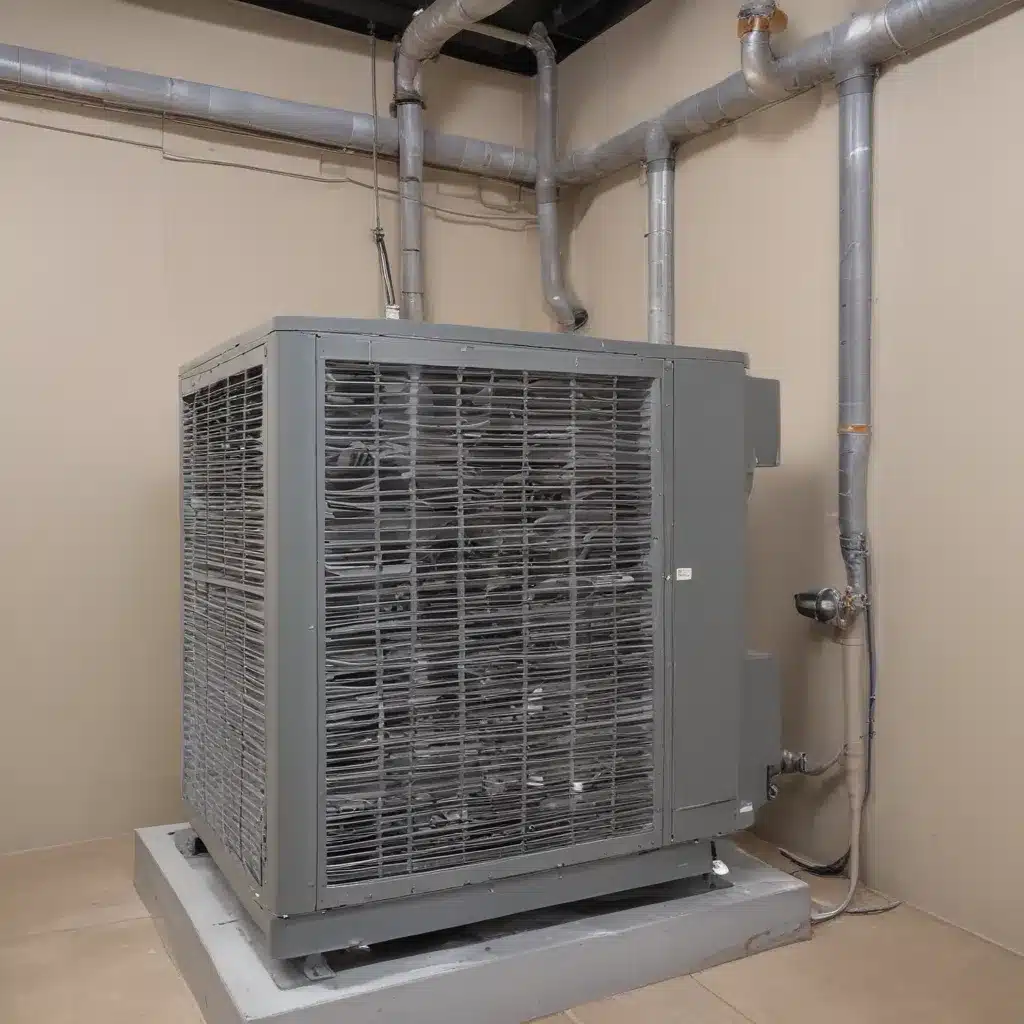
Maintaining a comfortable and energy-efficient home environment is a top priority for many homeowners. In our 10 years of HVAC service experience… However, one common HVAC issue that can disrupt this goal is short-cycling – the frequent, rapid on-and-off cycling of a furnace or air conditioning system. This problem not only creates an inconsistent temperature but can also lead to higher energy bills and premature system wear.
Now, this might seem counterintuitive when dealing with air conditioning systems…
Identifying the root causes of short-cycling is essential for restoring your HVAC system’s efficiency and longevity. In this comprehensive guide, we’ll explore the most common culprits behind this frustrating problem and provide actionable steps to address them. From simple maintenance tasks to more complex system adjustments, you’ll learn how to troubleshoot and resolve persistent short-cycling issues in your home.
Recognizing the Signs of Short-Cycling
Short-cycling is characterized by a furnace or air conditioner turning on and off in rapid, repeated cycles, often lasting only a few minutes at a time. This irregular operation can be easily spotted by observing your HVAC system’s behavior and monitoring your home’s comfort levels.
Some of the key signs of short-cycling include:
- Frequent Starts and Stops: If your furnace or AC unit is kicking on and off multiple times per hour, it’s a clear indication of short-cycling.
- Inconsistent Temperatures: With the system not running long enough to fully heat or cool your home, you may experience uneven or fluctuating temperatures throughout the space.
- Increased Energy Costs: The excessive cycling consumes more energy, leading to higher utility bills despite no measurable improvement in comfort.
- Unusual Noises: Short-cycling can cause your HVAC equipment to make unusual sounds, such as rattling, banging, or humming, as the components work harder to keep up with the rapid on-and-off cycles.
If you notice any of these symptoms, it’s essential to address the underlying issues before they result in more significant problems, such as decreased system lifespan or the need for costly repairs.
Diagnosing the Causes of Short-Cycling
Short-cycling can stem from a variety of causes, ranging from simple maintenance oversights to more complex system design flaws. Understanding the root of the problem is the first step in finding an effective solution. Let’s explore some of the most common culprits behind this HVAC issue:
Dirty Air Filters
One of the most frequent contributors to short-cycling is a clogged or dirty air filter. When the filter becomes obstructed with dust, dirt, and debris, it restricts airflow into the HVAC system. This lack of proper airflow can cause the system to overheat, triggering the safety mechanisms to shut it down before a full heating or cooling cycle is complete.
Resolving this issue is as simple as regularly replacing or cleaning your air filters, typically every 1-3 months depending on usage and filter type. Ensuring unobstructed airflow is essential for maintaining efficient and consistent HVAC operation.
Thermostat Malfunctions
Issues with your home’s thermostat can also lead to short-cycling. If the thermostat is not accurately reading the room temperature, it may signal the HVAC system to turn off prematurely, only to restart shortly after. Causes of thermostat-related short-cycling can include:
- Improper Placement: Locating the thermostat near heat sources, such as direct sunlight or heating vents, can result in inaccurate temperature readings.
- Calibration Problems: Faulty wiring, sensor issues, or outdated technology can cause the thermostat to misinterpret the actual temperature.
- Thermostat Compatibility: An incompatible or outdated thermostat may not be able to effectively communicate with the HVAC system, leading to cycling problems.
Addressing these thermostat-related problems may involve repositioning the device, recalibrating the sensors, or upgrading to a more advanced, programmable model that can better regulate your home’s temperature and airflow.
Airflow Restrictions
Obstructions that restrict airflow through your HVAC system can also contribute to short-cycling. When vents, registers, or ductwork become blocked, it creates pressure imbalances that can cause the system to overheat and shut down prematurely.
Common airflow obstructions include:
- Blocked Vents or Registers: Furniture, curtains, or other household items placed in front of vents can impede proper air circulation.
- Closed Vents in Unused Rooms: Closing off vents in seldom-used areas may seem like a good way to save energy, but it can disrupt the overall airflow balance.
- Leaky or Poorly Insulated Ductwork: Gaps, cracks, or inadequate insulation in your home’s ductwork can allow conditioned air to escape, leading to pressure issues.
Resolving these airflow challenges often involves simple adjustments, such as rearranging furniture or opening vents in unused rooms. More complex solutions, such as ductwork sealing or zoning upgrades, may be necessary in some cases.
Improperly Sized HVAC Equipment
Another common cause of short-cycling is an HVAC system that is not properly sized for the home. If the furnace or air conditioner is too large for the space, it will heat or cool the area too quickly, causing the system to shut off before completing a full cycle.
Conversely, an undersized HVAC unit may struggle to maintain the desired temperature, leading to frequent on-and-off cycling as it tries to compensate. Proper load calculations and equipment selection are crucial for ensuring your HVAC system is properly matched to your home’s heating and cooling needs.
Mechanical Issues
In some cases, short-cycling may be the result of more complex mechanical problems within the HVAC system. These can include:
- Faulty Flame Sensor: The flame sensor is a safety component that detects whether the furnace’s burners are lit. If the sensor is dirty or malfunctioning, it may incorrectly signal the furnace to shut down.
- Refrigerant Charge Problems: Air conditioning systems that are over- or under-charged with refrigerant can experience short-cycling due to improper cooling capacity.
- Failing Components: Issues with the blower motor, control board, or other critical HVAC components can disrupt the system’s normal operation and lead to short-cycling.
Diagnosing and resolving these mechanical problems often requires the expertise of a qualified HVAC technician. Attempting to address them on your own may result in further damage or safety hazards.
Preventing and Resolving Short-Cycling
Now that we’ve identified the primary causes of short-cycling, let’s explore the steps you can take to prevent and resolve this frustrating HVAC issue:
Maintain a Proactive Maintenance Routine
Regularly scheduled HVAC maintenance is the foundation for preventing short-cycling and ensuring the long-term efficiency of your system. This should include:
- Changing Air Filters: Replace or clean your air filters every 1-3 months to maintain unobstructed airflow.
- Ductwork Inspection and Sealing: Identify and address any leaks or insulation issues in your home’s ductwork.
- Thermostat Calibration: double-check that your thermostat is accurately reading and responding to the indoor temperature.
- Professional Tune-ups: Have a qualified HVAC technician provide annual system inspections and tune-ups to catch and resolve any developing issues.
By staying on top of routine maintenance, you can mitigate many of the common causes of short-cycling before they become more serious problems.
Optimize System Efficiency
In addition to regular maintenance, there are several steps you can take to improve the overall efficiency of your HVAC system and reduce the likelihood of short-cycling:
- Right-Size Your Equipment: Work with a professional HVAC contractor to properly size your furnace, air conditioner, or heat pump to match your home’s specific heating and cooling needs.
- Upgrade to High-Efficiency Models: Consider replacing older, less efficient HVAC equipment with new, high-performance systems that can operate more consistently and cost-effectively.
- Implement Zoning and Programmable Controls: Divide your home into separate climate zones and install a programmable or smart thermostat to better regulate temperatures and airflow.
These efficiency-focused strategies can help double-check that your HVAC system is running at its best, reducing the risk of short-cycling and enhancing overall comfort and cost-savings.
Seek Professional Assistance
If you’ve tried basic troubleshooting and preventative measures, but your HVAC system is still persistently short-cycling, it may be time to call in a qualified HVAC technician. A professional can provide a comprehensive system evaluation, diagnose any underlying mechanical issues, and recommend the most appropriate corrective actions.
In some cases, the best solution may be to replace the existing HVAC equipment with a new, properly sized and configured system. While this can be a significant investment, it may be the most effective way to resolve chronic short-cycling problems and double-check that long-term comfort and energy efficiency for your home.
By understanding the common causes of short-cycling and taking proactive steps to address them, you can keep your HVAC system running smoothly and efficiently, providing consistent comfort and energy savings throughout the year. For more information on optimizing your home’s heating and cooling systems, visit usaircontractors.com.
Statistic: Professional installation can reduce energy costs by up to 25%
