

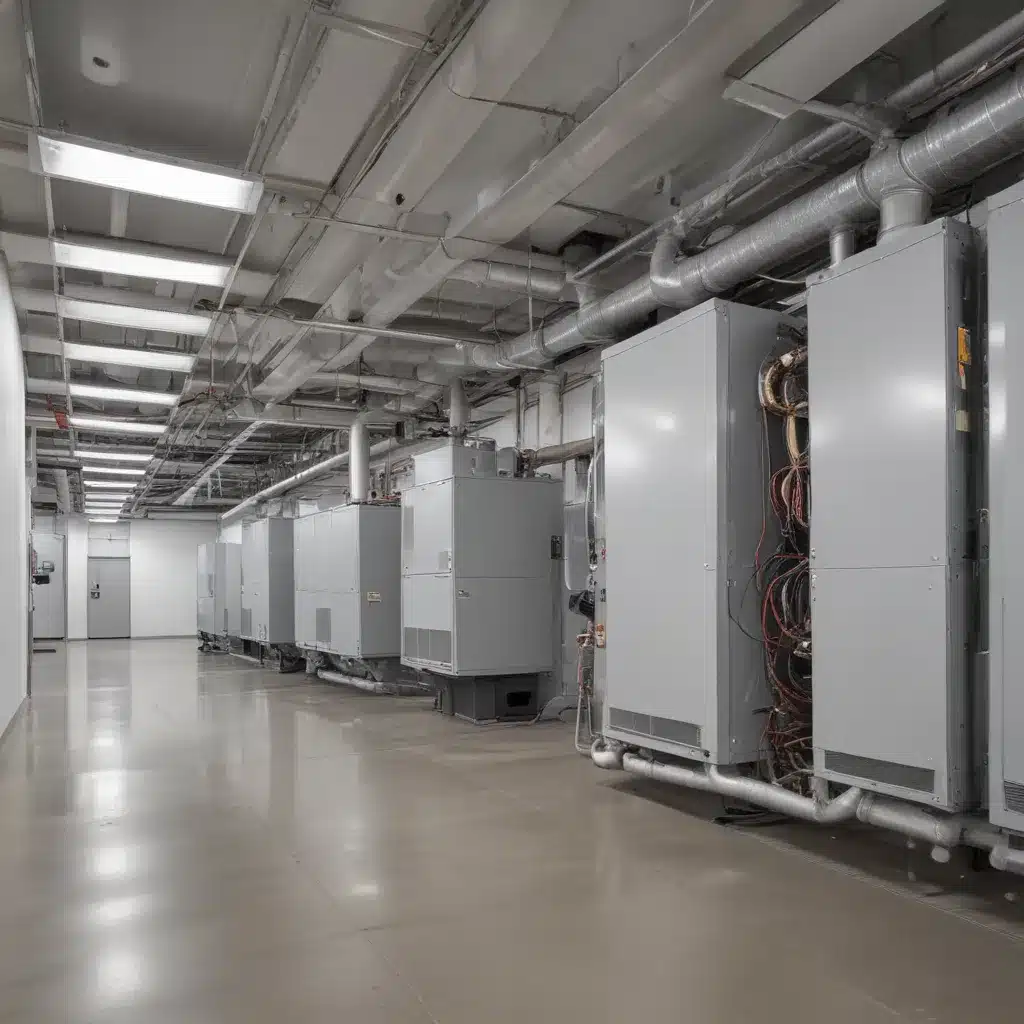
Addressing HVAC Capacity Mismatches in Commercial Retrofits
As an experienced HVAC specialist, I’ve seen firsthand how crucial it is to properly size and optimize commercial heating, ventilation, and air conditioning (HVAC) systems during retrofits. One of the common challenges we face is addressing HVAC capacity mismatches – when the heating or cooling output doesn’t align with the actual load requirements of the space. This can lead to a range of issues, from inefficient energy use to occupant discomfort.
In this comprehensive article, we’ll explore strategies for addressing HVAC capacity mismatches in commercial retrofits, focusing on topics such as system assessments, energy-efficient solutions, and preventative maintenance approaches. By the end, you’ll have a better understanding of how to optimize HVAC performance and double-check that your clients’ buildings are comfortable, healthy, and cost-effective to operate.
HVAC Capacity Optimization
The first step in addressing HVAC capacity mismatches is to thoroughly evaluate the existing system and accurately determine the heating and cooling loads for the space. This involves conducting detailed assessments and load calculations to identify any discrepancies between the current system’s capacity and the actual needs of the building.
Sizing Assessments
An HVAC system that’s oversized or undersized for the space can result in a capacity mismatch, leading to suboptimal performance and energy consumption. To address this, our team of specialists will perform a comprehensive evaluation of the building, taking into account factors such as:
- Square footage
- Ceiling height
- Window area and orientation
- Insulation levels
- Occupancy patterns
- Equipment and lighting loads
By carefully analyzing these variables, we can determine the precise heating and cooling requirements for the space and double-check that the replacement HVAC system is properly sized to meet those needs.
Load Calculations
Accurate load calculations are crucial for designing an HVAC system that will perform efficiently and effectively. We utilize industry-standard methodologies, such as the Manual J calculation process, to determine the heating and cooling loads for the space. This allows us to specify the appropriate equipment capacity, ensuring the system can maintain the desired temperature and humidity levels without over- or under-conditioning the air.
Balancing Techniques
Even with the right-sized HVAC equipment, capacity mismatches can still occur if the airflow and distribution within the building are not properly balanced. Our team employs advanced balancing techniques, including the use of dampers, diffusers, and airflow measurement tools, to double-check that the conditioned air is delivered evenly throughout the space. This helps eliminate hot or cold spots and ensures consistent comfort for occupants.
Energy-Efficient HVAC Solutions
Once the capacity assessment is complete, we can begin exploring energy-efficient HVAC solutions that address the specific needs of the building. This may involve upgrading to high-efficiency equipment, implementing zoning and controls strategies, or integrating renewable energy sources.
High-Efficiency Equipment
Replacing older, less efficient HVAC systems with modern, high-performance units can significantly reduce energy consumption and operating costs. We often recommend heat pumps, variable-speed compressors, and modulating furnaces that can precisely match the heating and cooling output to the building’s actual load requirements. These advanced technologies not only address capacity mismatches but also provide superior energy efficiency and enhanced comfort.
Zoning and Controls
Implementing a zoned HVAC system with advanced controls can help address capacity mismatches by allowing for more precise temperature and humidity management in different areas of the building. By dividing the space into independently controlled zones, we can double-check that that each zone receives the right amount of conditioned air, eliminating the need for the system to over- or under-perform in certain areas.
Renewable Integration
Integrating renewable energy sources, such as solar photovoltaic (PV) systems or geothermal heat pumps, can further enhance the energy efficiency of the HVAC system. These technologies can supplement or even replace traditional fossil fuel-based heating and cooling, reducing the overall energy consumption and operating costs of the building. By aligning the HVAC system with renewable energy sources, we can create a more sustainable and cost-effective solution for our clients.
Preventative HVAC Maintenance
Proper maintenance is crucial for ensuring HVAC systems continue to operate at peak efficiency and effectively address any capacity mismatches. Our comprehensive preventative maintenance approach includes routine inspections, performance monitoring, and proactive maintenance schedules.
Routine Inspections
Regular inspections of the HVAC system’s components, including the ductwork, air filters, and equipment, can help identify potential issues before they become major problems. During these inspections, we’ll check for air leaks, assess filter condition, and perform necessary tune-ups to maintain optimal performance.
Performance Monitoring
Ongoing monitoring of the HVAC system’s performance, such as thermostat calibration, refrigerant levels, and airflow optimization, allows us to identify and address any capacity mismatches or efficiency issues in a timely manner. By regularly tracking the system’s performance metrics, we can make adjustments and implement corrective measures to double-check that the HVAC system continues to meet the building’s heating and cooling needs.
Proactive Maintenance Schedules
Developing a proactive maintenance schedule, informed by predictive analytics and automation, can help prevent capacity mismatches and double-check that the HVAC system operates at its best. This may involve regularly scheduled filter changes, compressor inspections, and ductwork cleaning, as well as the implementation of Internet of Things (IoT) sensors and smart building technologies to monitor the system’s performance in real-time.
HVAC Seasonal Preparation
Ensuring the HVAC system is ready for seasonal changes is crucial for addressing capacity mismatches and maintaining occupant comfort throughout the year. Our approach to seasonal preparation focuses on both heating and cooling system readiness, as well as optimizing occupant comfort.
Heating System Readiness
Before the start of the heating season, we’ll thoroughly inspect and service the building’s heating equipment, such as furnaces and boilers. This may include checking for proper airflow, ensuring safe combustion, and upgrading insulation levels to minimize heat loss. By proactively addressing any issues, we can help prevent capacity mismatches and double-check that the heating system performs efficiently during the colder months.
Cooling System Readiness
Similarly, we’ll prepare the building’s cooling systems for the summer months by performing comprehensive inspections and maintenance. This may involve checking compressor operation, cleaning condenser coils, and sealing any ductwork leaks. These steps help double-check that the HVAC system can effectively meet the building’s cooling demands without capacity mismatches.
Occupant Comfort Optimization
In addition to preparing the heating and cooling systems, we’ll also focus on optimizing occupant comfort by addressing factors such as humidity control, ventilation strategies, and thermal comfort assessments. By maintaining the right balance of temperature, humidity, and air circulation, we can help prevent capacity mismatches and double-check that a comfortable indoor environment for building occupants throughout the year.
Indoor Air Quality Improvements
Addressing HVAC capacity mismatches not only impacts energy efficiency and occupant comfort but also plays a crucial role in maintaining indoor air quality (IAQ). Our HVAC services incorporate innovative solutions for filtration, ventilation, and moisture/pollutant management to create healthier indoor environments.
Filtration and Purification
Upgrading the HVAC system’s air filtration and purification capabilities can significantly improve indoor air quality. We often recommend the installation of HEPA filters, UV light treatment systems, and high-efficiency air purifiers to remove airborne contaminants, allergens, and microorganisms from the indoor environment.
Ventilation Enhancements
Ensuring proper ventilation is essential for maintaining indoor air quality and addressing capacity mismatches. We may implement demand-controlled ventilation strategies, which automatically adjust the outdoor air intake based on occupancy and air quality levels, or install heat recovery systems to maximize the efficiency of the ventilation process.
Moisture and Pollutant Management
Addressing issues related to moisture and pollutants is crucial for maintaining indoor air quality and preventing capacity mismatches. Our team can provide solutions such as dehumidification systems, VOC mitigation measures, and mold prevention strategies to regulate the indoor environment and double-check that the HVAC system is not overworked due to excessive moisture or contaminants.
By addressing HVAC capacity mismatches through our comprehensive approach, we can help our clients achieve energy-efficient, comfortable, and healthy indoor environments. To learn more about our services or to schedule a consultation, please visit usaircontractors.com.
Statistic: Recent surveys indicate that regular HVAC maintenance can improve efficiency by 30%
