

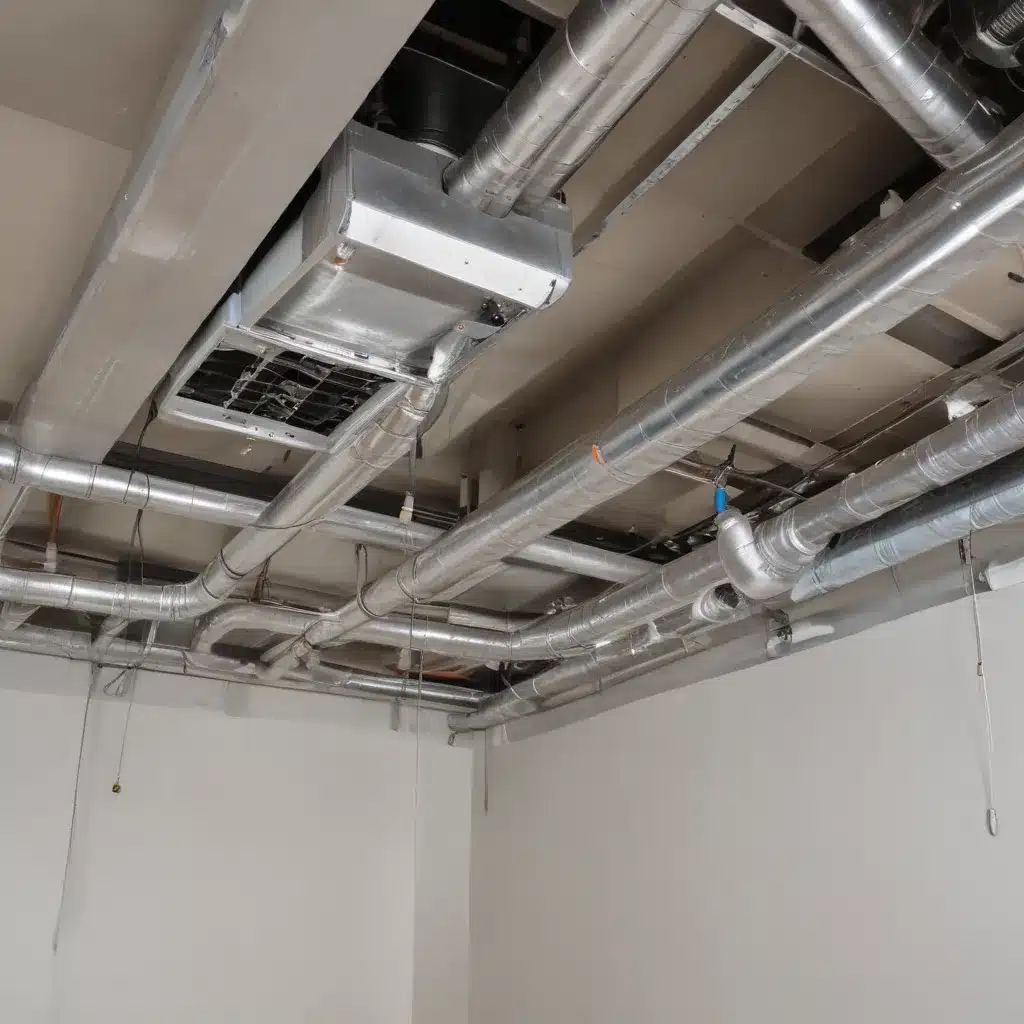
Addressing Ductwork Leakage and Improving HVAC System Efficiency in Retrofits
In the world of home comfort and energy efficiency, few factors play as crucial a role as the state of a building’s ductwork. We learned this the hard way when dealing with complex HVAC issues… Whether you’re a homeowner or a property manager, ensuring your HVAC system operates at peak performance is paramount. One of the most effective ways to achieve this is by addressing ductwork leakage and implementing targeted retrofits to enhance overall system efficiency.
Now, this might seem counterintuitive when dealing with air conditioning systems…
HVAC System Optimisation
Ductwork Maintenance and Sealing
Ductwork is the unsung hero of any HVAC system, responsible for distributing conditioned air throughout a building. However, over time, ductwork can succumb to the ravages of age, wear and tear, and even pest intrusion, leading to significant air leaks. These leaks not only compromise the system’s efficiency but also undermine your efforts to maintain comfortable indoor temperatures and air quality.
One of the first steps in addressing ductwork issues is to conduct a thorough inspection. This involves visually checking for any cracks, gaps, or disconnected joints, as well as performing a blower door test to identify the extent of air leakage. By precisely pinpointing the problem areas, you can then focus your efforts on sealing these leaks using the appropriate materials, such as mastic sealants or metal tape.
Air Leakage Identification and Mitigation
In addition to ductwork leaks, a comprehensive retrofit should also address air leaks throughout the building envelope. These can occur in the attic, walls, windows, and even around electrical outlets, allowing unconditioned air to infiltrate the interior space. Identifying and sealing these air leaks is a critical step in optimizing your HVAC system’s efficiency.
Utilizing a combination of visual inspections, blower door testing, and infrared imaging, you can pinpoint the locations of air leaks and systematically address them. Proper air sealing techniques, such as caulking, weatherstripping, and the strategic placement of air barriers, can significantly improve the building’s overall airtightness, reducing the strain on your HVAC system and enhancing energy savings.
Duct Insulation Upgrades
Even after addressing ductwork leaks and air infiltration, there’s one more important step to consider: upgrading the insulation around your ductwork. Proper duct insulation helps maintain the temperature of the conditioned air as it travels through the system, preventing unwanted heat gain or loss and further optimizing efficiency.
For older homes or buildings with inadequate duct insulation, retrofitting with higher-R-value materials can make a notable difference. This might involve wrapping the ductwork with specialized duct insulation or, in some cases, encasing the entire ductwork within a well-insulated attic or crawlspace. By keeping the conditioned air at the desired temperature, you can reduce the workload on your HVAC system and enjoy more consistent, comfortable temperatures throughout the building.
Energy-Efficient HVAC Solutions
High-Efficiency Equipment Retrofits
Once you’ve addressed the ductwork and air leakage issues, the next step in improving overall HVAC system efficiency is to consider upgrading the equipment itself. Older, less efficient heating and cooling units can be significant energy hogs, driving up utility costs and contributing to a larger carbon footprint.
By replacing outdated HVAC systems with high-efficiency models, you can achieve substantial energy savings and improve indoor comfort. Look for units with features like variable-speed compressors, advanced controls, and enhanced insulation to maximize efficiency. Many of these newer systems also come equipped with smart home integration, allowing for further optimization through programmable and Wi-Fi-enabled thermostats.
Thermostat and Controls Upgrades
Complementing the high-efficiency HVAC equipment, modernizing your thermostat and control systems can further enhance your system’s performance. Programmable and Wi-Fi-connected thermostats give you the ability to precisely manage temperature settings, humidity levels, and even occupancy-based adjustments, ensuring your HVAC system operates at peak efficiency without compromising comfort.
These smart control systems can also integrate with other home automation features, allowing you to monitor energy usage, receive alerts, and make real-time adjustments to optimize your HVAC system’s operation. By taking advantage of the latest advancements in thermostat and control technologies, you can unlock unprecedented levels of energy efficiency and comfort in your retrofitted home or building.
Ventilation System Enhancements
Improving indoor air quality is another crucial aspect of a comprehensive HVAC retrofit. Outdated or inadequate ventilation systems can allow the buildup of pollutants, moisture, and stale air, compromising the health and well-being of occupants. By incorporating ventilation upgrades, such as energy-efficient ERVs (energy recovery ventilators) or HRVs (heat recovery ventilators), you can double-check that a steady supply of fresh, filtered air while minimizing the energy required to condition it.
These ventilation systems work in tandem with your HVAC equipment, leveraging advanced heat exchange technology to precondition incoming air and reduce the burden on your heating and cooling units. This synergistic approach not only enhances indoor air quality but also contributes to overall energy savings and a more comfortable living or working environment.
Seasonal HVAC Preparation
Pre-Season Inspections and Tuneups
To maintain the efficiency and longevity of your HVAC system, regular inspections and seasonal tuneups are essential. Before the onset of extreme weather, whether hot or cold, scheduling a professional inspection and maintenance service can help double-check that your system is operating at its best.
These pre-season checkups typically involve a thorough examination of key components, such as filters, coils, refrigerant levels, and electrical connections. By addressing any issues or wear-and-tear before the peak seasons, you can avoid costly breakdowns, extend the lifespan of your HVAC equipment, and optimize energy efficiency.
Heating and Cooling Load Adjustments
As your home or building’s needs evolve, it’s important to periodically reassess the heating and cooling loads to double-check that your HVAC system is properly sized. Factors like changes in insulation, window upgrades, or even occupancy patterns can impact the overall thermal load, potentially leading to oversized or undersized equipment.
Working with a qualified HVAC professional, you can conduct a comprehensive load calculation to determine the optimal system capacity for your retrofitted space. This may involve adjusting the size of your heating and cooling units or making other modifications to better match the building’s updated energy profile. By right-sizing your HVAC system, you can avoid energy waste, improve comfort, and extend the system’s effective lifespan.
Weatherization and Insulation Checks
To complement your seasonal HVAC maintenance, it’s crucial to evaluate the building’s weatherization and insulation performance. Over time, insulation can degrade, and air sealing measures can become compromised, undermining the overall efficiency of your HVAC system.
Regularly inspecting the attic, walls, and other building envelope components for proper insulation levels and air leaks can help you identify areas for improvement. Addressing any deficiencies through weatherization upgrades, such as adding insulation or sealing gaps, can significantly enhance your HVAC system’s effectiveness, reduce energy consumption, and improve indoor comfort.
Smart Home HVAC Integration
Programmable and Wi-Fi Thermostats
As mentioned earlier, the integration of advanced controls and smart home technology can be a game-changer when it comes to HVAC system efficiency. Programmable and Wi-Fi-enabled thermostats offer unprecedented control and customization, allowing you to fine-tune temperature settings, monitor energy usage, and make real-time adjustments to optimize performance.
These smart thermostats can learn your family’s routines and preferences, automatically adjusting temperatures to match occupancy patterns and reduce energy waste. They can also integrate with other smart home devices, creating a seamless, automated system that adapts to your needs and preferences.
Occupancy-Based Climate Control
Building on the capabilities of smart thermostats, occupancy-based climate control takes HVAC optimization to the next level. By incorporating motion sensors, occupancy detectors, and advanced algorithms, these systems can dynamically adjust temperature and airflow to match the real-time usage of a space.
This level of granular control ensures that conditioned air is only being delivered to occupied areas, eliminating energy waste in seldom-used rooms. This not only enhances overall comfort but also leads to significant cost savings on your utility bills, making it a valuable addition to any HVAC retrofit project.
Automated Energy Monitoring
Complementing the smart control features, automated energy monitoring systems provide invaluable insights into your HVAC system’s performance and energy consumption. These advanced platforms collect real-time data on energy usage, runtime, and system efficiency, allowing you to identify optimization opportunities and track the impact of your retrofit investments.
By integrating these monitoring tools with your HVAC equipment and smart home controls, you can gain a comprehensive understanding of your system’s operation, make informed decisions about future upgrades, and double-check that your retrofitted home or building continues to deliver optimal comfort and efficiency for years to come.
Addressing ductwork leakage and implementing a strategic HVAC retrofit can have a transformative impact on the comfort, energy efficiency, and indoor air quality of your home or commercial property. By following a holistic approach that encompasses system optimization, high-efficiency equipment, seasonal preparation, and smart home integration, you can unlock the full potential of your HVAC system and enjoy the benefits of a more comfortable, cost-effective, and eco-friendly living or working environment.
For more information on how US Air Contractors can assist with your HVAC retrofit project, please don’t hesitate to reach out. Our team of experienced professionals is dedicated to helping you achieve your energy efficiency goals and create a space that truly supports your well-being.
Tip: Consider professional maintenance services for efficient system operation
