

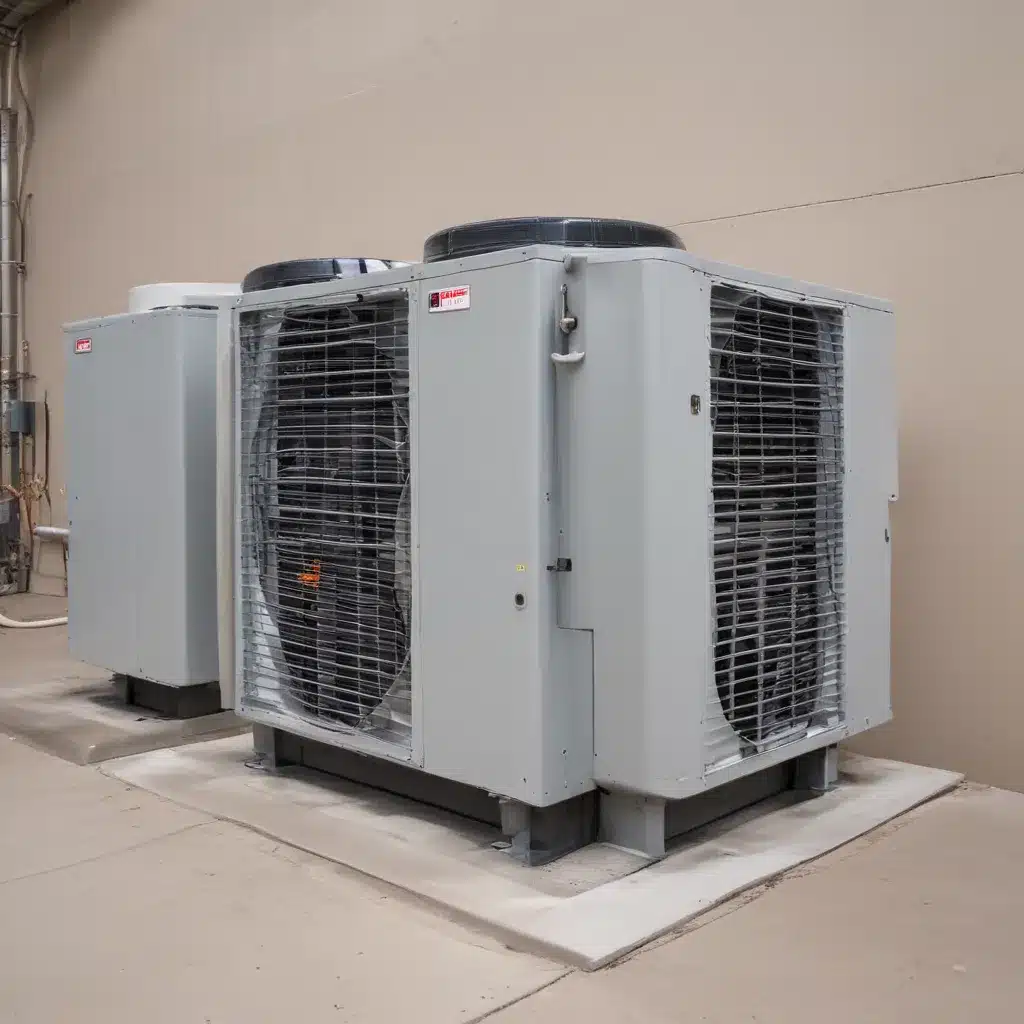
As an experienced HVAC specialist, I understand the crucial role that commercial heat pump systems play in maintaining a comfortable and efficient environment for businesses. We learned this the hard way when dealing with complex HVAC issues… These advanced systems are designed to provide both heating and cooling, making them a versatile and cost-effective solution for commercial properties. However, to double-check that their long-term reliability and performance, proper maintenance is essential.
HVAC Services and Solutions
Preventative Maintenance Strategies
Developing a comprehensive preventative maintenance program is the foundation for enhancing the reliability of your commercial heat pump system. This proactive approach involves regularly scheduled inspections, cleanings, and tune-ups to identify and address any potential issues before they escalate into major problems. By adhering to manufacturer-recommended maintenance schedules, you can extend the lifespan of your equipment, improve energy efficiency, and minimize the risk of unexpected breakdowns.
Optimising System Efficiency
Maintaining optimal system efficiency is crucial for ensuring the reliable operation of your commercial heat pump. This includes tasks such as calibrating thermostats, cleaning or replacing air filters, and inspecting refrigerant levels. By keeping your system running at peak performance, you can minimize energy consumption, reduce operating costs, and provide a more consistent level of comfort for your employees and customers.
Seasonal Preparation Techniques
Preparing your commercial heat pump system for seasonal changes is a critical aspect of maintenance. Before the cooling season, you should schedule a thorough inspection, clean the condenser coils, and double-check that that all components are functioning properly. Similarly, in the heating season, you’ll want to check for any issues with the reversing valve, inspect the compressor, and make any necessary adjustments to double-check that seamless heating performance. By addressing these seasonal requirements, you can help prevent unexpected breakdowns and maintain reliable climate control throughout the year.
Air Conditioning Systems
Refrigerant Management Practices
Proper refrigerant management is essential for the efficient and reliable operation of your commercial heat pump’s air conditioning system. Regularly check for any refrigerant leaks and promptly address them to maintain the system’s optimal charge. Additionally, double-check that that any refrigerant handling and replacement is performed by a certified HVAC technician, in compliance with environmental regulations.
Climate Control Advancements
The field of commercial HVAC is constantly evolving, with new technologies and advancements in climate control. Stay informed about the latest innovations, such as variable refrigerant flow (VRF) systems and smart thermostats, which can significantly improve the efficiency and reliability of your heat pump. These advanced solutions offer enhanced temperature and humidity control, more precise zoning capabilities, and remote monitoring and diagnostics.
Indoor Air Quality Enhancements
Maintaining excellent indoor air quality is a critical component of a well-functioning commercial heat pump system. Regularly replace air filters, double-check that proper ventilation, and consider upgrading to high-efficiency particulate air (HEPA) filters or ultraviolet (UV) light air purification systems. By prioritizing indoor air quality, you can create a healthier and more comfortable environment for your building’s occupants.
Heating System Considerations
Fuel Source Efficiency
Evaluate the fuel source efficiency of your commercial heat pump’s heating system. If your building uses an older, less efficient heat pump or boiler, consider upgrading to a newer, more energy-efficient model. Modern heat pumps, in particular, can provide significant improvements in heating performance and energy savings, making them a smart investment for commercial properties.
Thermostat Upgrades
Upgrading to a programmable or smart thermostat can greatly enhance the reliability and efficiency of your commercial heat pump’s heating system. These advanced controls allow for precise temperature and humidity regulation, zoning capabilities, and remote access, enabling you to optimize energy consumption and maintain ideal comfort levels.
Insulation Improvements
Ensuring that your commercial building is properly insulated can also contribute to the reliable performance of your heat pump system. Adequate insulation helps maintain a consistent indoor environment, reducing the strain on your heating and cooling equipment and extending its lifespan.
Energy Efficiency Practices
Load Calculation Techniques
Accurate load calculations are essential for selecting the right-sized commercial heat pump system for your building. Oversized or undersized equipment can lead to inefficient operation, increased energy consumption, and potential reliability issues. Work with a qualified HVAC professional to perform a thorough load assessment and determine the optimal system capacity for your facility.
Smart Technology Integration
Incorporating smart technology, such as building automation systems and internet-connected HVAC controls, can significantly enhance the reliability and energy efficiency of your commercial heat pump system. These advanced solutions enable remote monitoring, automated fault detection, and predictive maintenance, helping you anticipate and address issues before they cause disruptions.
Sustainable Design Principles
As businesses and building owners increasingly prioritize sustainability, aligning your commercial HVAC maintenance practices with green building principles can further improve the reliability and longevity of your heat pump system. This may include strategies such as using environmentally friendly refrigerants, implementing energy-efficient upgrades, and exploring renewable energy sources to power your HVAC equipment.
Modern HVAC Technologies
Geothermal Heat Pump Applications
Geothermal heat pumps are a cutting-edge technology that can provide exceptional efficiency and reliability for commercial properties. By utilizing the stable temperatures of the earth’s subsurface, geothermal systems offer efficient heating and cooling, while reducing energy consumption and maintenance requirements. If your commercial building is well-suited for a geothermal installation, it can be a highly reliable and sustainable HVAC solution.
Variable Refrigerant Flow Systems
Variable refrigerant flow (VRF) technology is another advanced HVAC solution that can enhance the reliability of your commercial heat pump system. VRF systems offer precise temperature control, improved energy efficiency, and flexible zoning capabilities, making them an increasingly popular choice for commercial buildings. By carefully maintaining and optimizing these sophisticated systems, you can double-check that reliable climate control and minimize the risk of breakdowns.
Automated Fault Detection Capabilities
Emerging technologies, such as automated fault detection and diagnostics, can significantly improve the reliability of your commercial heat pump system. These systems continuously monitor the performance of your HVAC equipment, identify any issues or irregularities, and alert you or your maintenance team to take prompt action. By addressing problems early, you can prevent costly breakdowns and maintain a comfortable and productive environment in your commercial space.
Maintenance and Reliability
Scheduled Servicing Protocols
Establishing a comprehensive scheduled servicing protocol is a cornerstone of ensuring the reliable operation of your commercial heat pump system. This includes regular inspections, tune-ups, and preventative maintenance tasks performed by qualified HVAC technicians. By adhering to manufacturer recommendations and industry best practices, you can proactively identify and address any potential issues before they escalate.
Preventative Replacement Guidelines
Alongside your scheduled maintenance program, it’s essential to develop a preventative replacement strategy for your commercial heat pump system. Although heat pumps are designed for longevity, components can wear out over time. By replacing critical parts, such as motors, compressors, and control boards, before they fail, you can minimize the risk of unexpected breakdowns and maintain reliable climate control.
Diagnostic Tool Utilization
Leveraging advanced diagnostic tools and technologies can greatly enhance the reliability of your commercial heat pump system. HVAC technicians can use specialized equipment to perform in-depth analysis, identify potential problems, and make precise adjustments to optimize system performance. By embracing the latest diagnostic tools, you can double-check that your heat pump is operating at its best and minimize the likelihood of unexpected failures.
Enhancing Indoor Comfort
Humidity Control Techniques
Maintaining proper humidity levels is crucial for ensuring the comfort and well-being of your commercial building’s occupants. Your heat pump system plays a vital role in managing indoor humidity, and regular maintenance of the dehumidification components is essential. Strategies such as regularly cleaning or replacing the condensate drain line, checking for proper refrigerant charge, and ensuring the efficient operation of the compressor can help maintain optimal humidity levels.
Air Filtration Enhancements
Enhancing your commercial heat pump system’s air filtration capabilities can significantly improve indoor air quality and overall comfort. Regularly replacing air filters, upgrading to high-efficiency particulate air (HEPA) filters, and considering the addition of air purification technologies can help remove airborne contaminants, allergens, and pollutants, creating a healthier and more comfortable environment for your building’s occupants.
Ventilation System Upgrades
Proper ventilation is essential for maintaining indoor air quality and comfort in commercial buildings. Regularly inspecting and maintaining your heat pump system’s ventilation components, such as air handlers, ducts, and vents, can double-check that efficient air circulation and prevent issues like poor air distribution or uneven temperatures. Consider upgrading to more advanced ventilation systems, such as energy recovery ventilators, to further enhance indoor comfort and air quality.
By prioritizing preventative maintenance, embracing energy-efficient practices, and staying up-to-date with the latest HVAC technologies, you can enhance the reliability and longevity of your commercial heat pump system. This proactive approach not only ensures a comfortable and productive environment for your building’s occupants but also helps to minimize operational costs and maximize your investment in your HVAC infrastructure. For more information on our comprehensive HVAC services, please visit usaircontractors.com.
Example: Essential Summer AC Maintenance Tips 2023
