

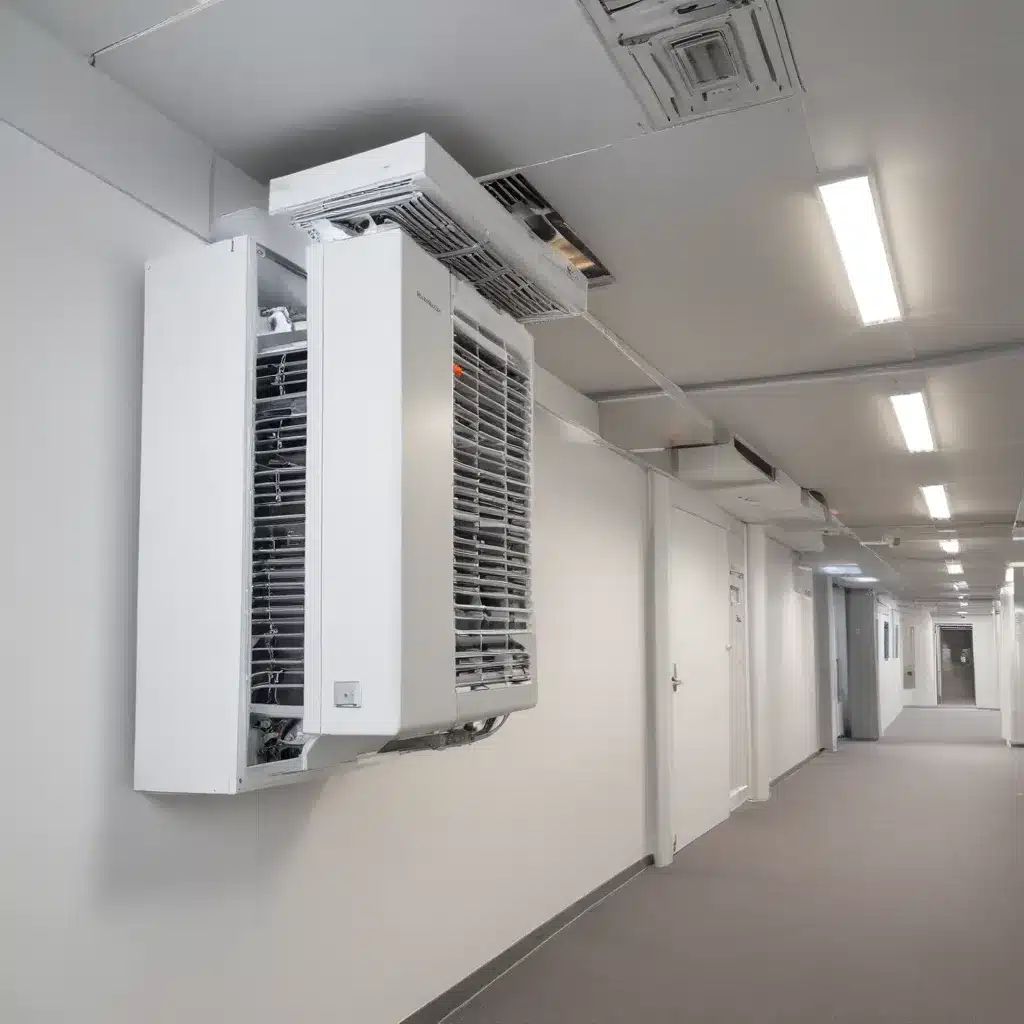
Optimising Ventilation Strategies for Enhanced Energy Efficiency in Offices
As an experienced HVAC specialist, I understand the critical role that ventilation plays in maintaining comfortable and healthy indoor environments, particularly in office settings. However, traditional ventilation approaches can often result in significant energy waste and compromise thermal comfort during colder months. In this comprehensive article, I will explore innovative strategies to optimise ventilation systems and enhance energy efficiency in office buildings.
Now, this might seem counterintuitive when dealing with air conditioning systems…
Airflow Management
The foundation of an efficient ventilation system lies in the careful management of airflow. Conventional public restroom ventilation often relies on a constant, high-volume airflow to maintain air quality, but this approach inevitably leads to excessive energy consumption and discomfort.
One solution is the implementation of toilet bowl ventilation (TBV) technology, which our research has shown can significantly reduce airflow requirements while still effectively controlling odours. By strategically placing ventilation ducts around the toilet bowl, the TBV system can capture and remove contaminants at the source, allowing for a reduction in overall airflow to as little as 10 m³/h during regular usage. This not only saves energy but also helps maintain optimal thermal comfort for occupants.
Additionally, the design of the ventilation ductwork plays a crucial role in optimising airflow. By minimising the number of openings in the duct system and strategically positioning them, we can achieve a more even distribution of air velocity, reducing the risk of local high-velocity areas that can compromise comfort.
Air Quality Monitoring
Maintaining excellent indoor air quality is paramount, but this objective might want to be balanced with energy efficiency. Advanced air quality monitoring systems, leveraging CO2 sensors and other smart technologies, can provide real-time data on the occupancy and ventilation needs of a space.
By incorporating these intelligent monitoring systems, facility managers can implement demand-controlled ventilation (DCV), adjusting airflow rates based on actual occupancy and air quality requirements. This dynamic approach ensures that ventilation is only provided when and where it is needed, eliminating the energy waste associated with constant high-volume airflow.
Heating and Cooling Solutions
Optimising ventilation is just one aspect of creating an energy-efficient office environment. Investing in high-efficiency HVAC equipment, such as modulating furnaces and variable-speed air conditioners, can significantly reduce energy consumption while maintaining comfort.
Additionally, zoned climate control systems allow for tailored temperature regulation in different areas of the office, catering to the diverse needs and preferences of occupants. This targeted approach avoids the energy waste inherent in trying to heat or cool the entire office space uniformly.
For offices with access to geothermal resources, ground-source heat pumps can be an exceptionally energy-efficient solution, leveraging the stable underground temperatures to provide both heating and cooling.
Insulation and Weatherproofing
Enhancing the thermal performance of the building envelope is a crucial step in reducing energy demands. Proper insulation and weatherproofing measures, such as high-performance windows, air sealing, and strategic shading, can significantly minimise the energy required for heating and cooling.
By addressing heat transfer through the building’s exterior, facility managers can reduce the overall HVAC load, allowing for smaller and more efficient equipment to meet the reduced demands.
Automated Control Systems
The integration of smart building automation systems can revolutionise the energy efficiency of office HVAC operations. These advanced control systems can coordinate the various components of the ventilation, heating, and cooling systems, optimising their performance based on real-time data.
Through the use of occupancy sensors, programmable thermostats, and adaptive algorithms, the automation system can dynamically adjust airflow, temperature, and humidity levels to match the actual needs of the office space. This level of precision and responsiveness is crucial for minimising energy waste without compromising comfort.
Renewable Energy Integration
To further enhance the sustainability of office HVAC systems, the integration of renewable energy technologies can provide a significant boost to energy efficiency. Solar thermal systems, for example, can be used to preheat ventilation air or provide supplemental heating, reducing the overall demand on the primary HVAC equipment.
For offices with access to geothermal resources, ground-source heat pumps can offer an exceptionally energy-efficient solution for both heating and cooling, leveraging the stable underground temperatures to maximise system performance.
Preventative Maintenance
Regular maintenance and proactive servicing of HVAC systems are essential for maintaining optimal energy efficiency and indoor air quality. Routine inspections, filtration upgrades, and timely component replacements can double-check that that the systems continue to operate at peak performance, avoiding the energy penalties associated with degraded or malfunctioning equipment.
By staying ahead of potential issues through a comprehensive preventative maintenance program, facility managers can extend the lifespan of their HVAC systems while minimising disruptions and energy waste.
Seasonal Preparation
Preparing HVAC systems for seasonal transitions is crucial for maintaining efficiency and comfort. Pre-season tune-ups, including cleaning, calibration, and minor adjustments, can double-check that that the equipment is operating at its best before the peak heating or cooling periods.
Additionally, thermostat adjustments and humidity regulation measures can help the system respond more effectively to changing environmental conditions, further improving energy performance.
Conclusion
By implementing a holistic approach to HVAC system design, operation, and maintenance, office facility managers can achieve significant energy savings without compromising indoor air quality or occupant comfort. From optimised ventilation strategies and high-efficiency equipment to automated control systems and renewable energy integration, the strategies outlined in this article provide a comprehensive roadmap for enhancing the sustainability of office HVAC operations.
As an experienced HVAC specialist, I encourage you to explore these innovative solutions and partner with US Air Contractors to unlock the full potential of your office’s ventilation and climate control systems. Together, we can create a more energy-efficient, comfortable, and environmentally responsible workspace for your occupants.
Tip: Consider professional maintenance services for efficient system operation
