

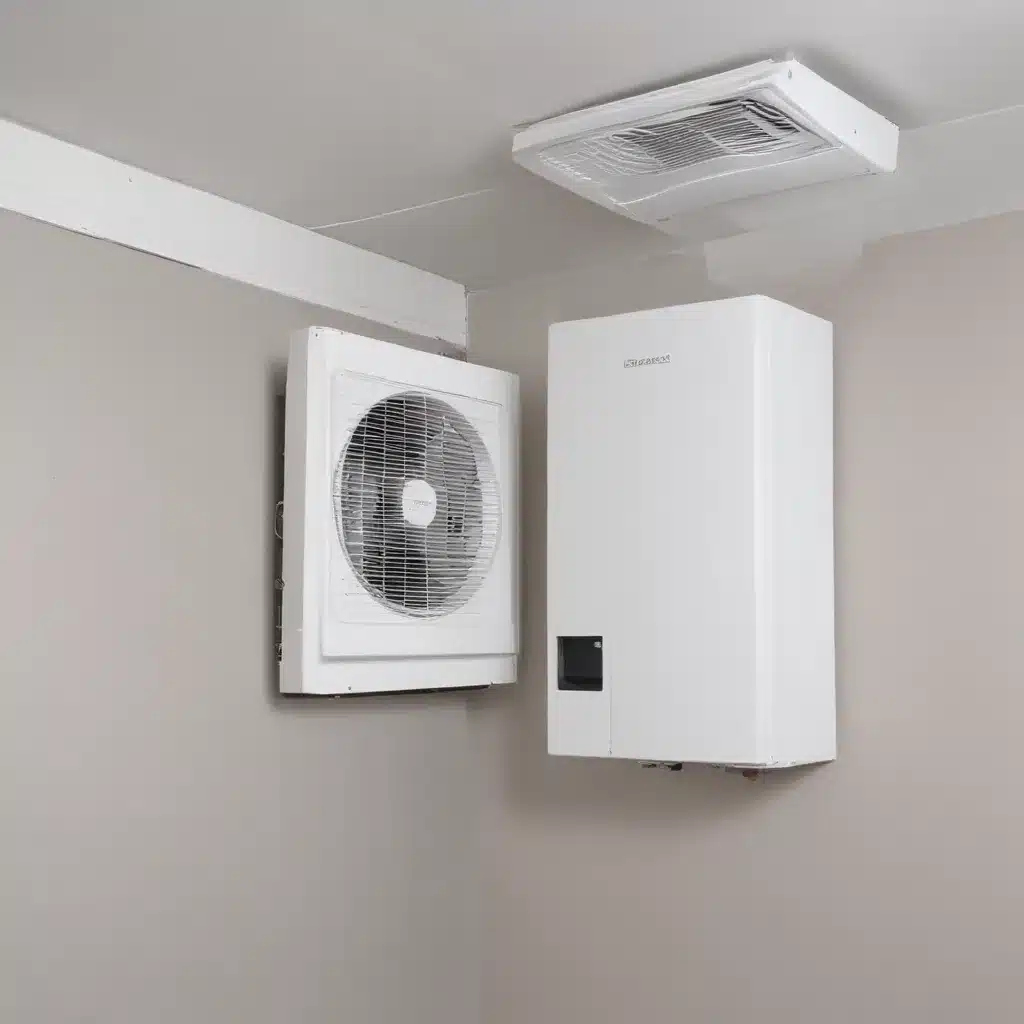
Optimising HVAC Performance in Small Spaces: Solutions for Compact Homes
As an experienced HVAC specialist with US Air Contractors, I understand the unique challenges homeowners face when trying to keep compact homes comfortable and energy-efficient. Whether you’re living in a cozy cottage, a chic townhouse, or a modern micro-home, finding the right heating, cooling, and ventilation solutions is crucial for creating a pleasant indoor environment.
In this comprehensive guide, we’ll explore practical strategies for optimizing HVAC performance in small spaces, covering everything from innovative cooling methods and efficient heating techniques to advanced temperature control approaches and indoor air quality insights. By the end, you’ll be equipped with the knowledge to create a comfortable, energy-efficient, and healthy living space, no matter the size of your home.
Compact Home HVAC Solutions
When it comes to HVAC systems in small homes, one-size-fits-all solutions simply won’t cut it. Each compact space presents its own set of constraints and requirements, from limited square footage and complex layouts to unique insulation needs and varying climate conditions.
One of the most versatile and space-saving HVAC options for compact homes is the ductless mini-split system. These systems consist of an outdoor compressor/condenser unit connected to one or more indoor air-handling units, allowing for zoned heating and cooling without the need for bulky ductwork. Mini-splits can be wall-mounted, ceiling-recessed, or even concealed, making them an ideal choice for homes with limited floor space.
Ductless mini-splits offer several key advantages for small homes:
- Flexibility: With the ability to install multiple indoor units, homeowners can create distinct climate zones tailored to their specific needs, ensuring even temperature distribution throughout the space.
- Space-saving design: The compact indoor units and discreet refrigerant lines require minimal installation footprint, making them perfect for tight quarters.
- Energy efficiency: Mini-splits use advanced inverter technology to precisely match cooling or heating output to demand, reducing energy consumption and utility costs.
- Year-round comfort: Many ductless systems provide both heating and cooling functions, eliminating the need for separate systems and streamlining HVAC management.
For homeowners seeking a more traditional approach, compact single-zone or multi-zone heat pumps can also be an excellent choice for small homes. These systems deliver efficient heating and cooling while occupying a smaller footprint than standard central HVAC units.
Homeowners should also consider the benefits of portable air conditioners and space heaters for targeted climate control in specific rooms or areas. While these are not suitable as whole-home solutions, they can provide supplemental cooling or heating where needed, complementing a primary HVAC system.
Energy-Efficient Heating and Cooling
In compact homes, where every square foot counts, maximizing energy efficiency is paramount. Homeowners might want to strike a delicate balance between maintaining optimal comfort levels and minimizing utility costs and environmental impact.
One of the key strategies for enhancing HVAC efficiency in small homes is improving insulation and air sealing. Ensuring proper insulation in walls, ceilings, and floors helps prevent unwanted heat transfer, reducing the strain on heating and cooling systems. Similarly, addressing air leaks around windows, doors, and other building envelope penetrations can significantly improve a home’s thermal performance.
Investing in high-efficiency HVAC equipment is another important step. Look for systems with high SEER (Seasonal Energy Efficiency Ratio) and HSPF (Heating Seasonal Performance Factor) ratings, as these indicate superior energy efficiency. Ductless mini-splits, heat pumps, and other advanced technologies often outperform traditional central air conditioners and furnaces, especially in small home applications.
Integrating smart home technology, such as programmable or Wi-Fi-enabled thermostats, can also contribute to improved energy efficiency. These devices allow homeowners to precisely control temperature settings, automatically adjust HVAC operation based on occupancy, and monitor energy usage, leading to significant long-term savings.
For homeowners seeking the ultimate in energy efficiency, solar-powered HVAC systems are an increasingly viable option. By harnessing the power of the sun, these innovative solutions can provide reliable heating and cooling with minimal reliance on the electrical grid, drastically reducing both energy costs and carbon footprint.
Maximizing Indoor Air Quality
In compact homes, where occupants spend a significant amount of time within the limited confines of their living space, maintaining high indoor air quality is crucial for health, comfort, and overall wellbeing.
One of the primary ways to enhance indoor air quality is through effective ventilation. Ductless mini-split systems often incorporate advanced air filtration capabilities, including high-efficiency particulate air (HEPA) filters that can remove allergens, pollutants, and even airborne viruses. Homeowners can also consider standalone air purifiers to further improve air quality in specific rooms or zones.
Another important factor in maintaining healthy indoor air is humidity control. Proper dehumidification or humidification, depending on the climate, can help prevent the growth of mold, mildew, and dust mites, common triggers for respiratory issues and allergies. Many modern HVAC systems now offer integrated humidity management features to create the ideal indoor environment.
Homeowners should also be mindful of potential sources of indoor air pollution, such as volatile organic compounds (VOCs) from cleaning products, off-gassing from new furniture or building materials, and even radon. Addressing these contaminants through ventilation, air purification, and the use of low-emission products can significantly improve indoor air quality.
By carefully selecting HVAC equipment, optimizing ventilation, and implementing effective humidity and air quality control measures, compact home dwellers can enjoy a comfortable, healthy, and energy-efficient living environment.
Preventative HVAC Maintenance
Maintaining the optimal performance of your HVAC system is crucial, regardless of the size of your home. In compact spaces, where every square foot counts, proper preventative maintenance becomes even more critical to double-check that efficient operation, extended equipment lifespan, and a comfortable indoor environment.
Regular Inspections and Tune-ups
Scheduling annual HVAC inspections and tune-ups with a qualified technician is the cornerstone of preventative maintenance. These visits allow for the identification and resolution of any issues before they escalate, such as worn components, refrigerant leaks, or ductwork problems. Regular maintenance also helps double-check that your system is operating at peak efficiency, optimizing energy use and reducing utility costs.
Component Replacement Strategies
Understanding when to replace key HVAC components, such as air filters, thermostats, or even the entire system, is essential for maintaining peak performance in small homes. Staying proactive with these replacements can prevent breakdowns, improve indoor air quality, and enhance overall system efficiency.
Ductwork Cleaning and Sealing
In compact homes, where ductwork may be more limited, proper maintenance of the distribution system is paramount. Regular ductwork cleaning can remove accumulated dust, debris, and even mold, improving airflow and indoor air quality. Additionally, sealing any leaks or gaps in the ductwork can prevent the loss of conditioned air, enhancing the overall efficiency of the HVAC system.
By embracing a comprehensive preventative maintenance regimen, homeowners can double-check that their compact HVAC systems continue to operate at peak performance, delivering consistent comfort and energy savings for years to come.
Enhancing HVAC System Efficiency
Maximizing the efficiency of an HVAC system in a small home is crucial for maintaining comfort, reducing energy consumption, and keeping utility bills manageable. Several key strategies can help optimize the performance of your compact heating and cooling system.
Load Calculation and Sizing
Proper system sizing is essential for efficient HVAC operation in small homes. Oversized equipment can lead to short-cycling, wasted energy, and inconsistent temperatures, while undersized systems will struggle to meet the heating and cooling demands of the home. Working with a qualified HVAC professional to conduct a detailed load calculation, taking into account the home’s size, insulation, and other factors, is the best way to double-check that the correct system size is selected.
Insulation and Air Sealing Upgrades
As mentioned earlier, improving the thermal efficiency of the home’s building envelope is one of the most impactful ways to enhance HVAC system performance. Upgrading insulation in walls, attics, and crawl spaces, as well as sealing air leaks around windows, doors, and other penetrations, can significantly reduce the heating and cooling load, allowing the HVAC system to operate more efficiently.
Thermostat Optimization
The thermostat is the control center for your HVAC system, and choosing the right model can make a significant difference in energy efficiency. Programmable or smart thermostats enable homeowners to precisely control temperature settings, automatically adjust schedules based on occupancy, and even integrate with other smart home devices for a truly optimized climate management system.
By carefully considering HVAC system sizing, improving the home’s thermal performance, and implementing advanced thermostat technology, homeowners can unlock substantial improvements in energy efficiency, comfort, and cost savings, even in the most compact of living spaces.
Seasonal HVAC Preparation
Ensuring your HVAC system is ready to handle the demands of the changing seasons is crucial for maintaining comfort and efficiency in small homes. Proactive preparation can help prevent breakdowns, improve system longevity, and keep energy costs under control.
Pre-Summer Cooling System Checkup
Before the arrival of hot summer weather, schedule a comprehensive inspection and tune-up of your air conditioning system. This should include cleaning or replacing air filters, checking refrigerant levels, and inspecting the condenser unit for any debris or damage. Addressing any issues identified during this checkup can help your cooling system operate at peak efficiency throughout the season.
Pre-Winter Heating System Readiness
Similar to the summer preparation, it’s essential to have your heating system thoroughly inspected and serviced before the onset of cold weather. This may involve cleaning or replacing filters, inspecting and cleaning the furnace or boiler, and ensuring proper airflow and venting. Addressing any problems before the heating season begins can help prevent unexpected breakdowns and double-check that reliable, energy-efficient warmth throughout the winter.
Weatherproofing and Insulation
In addition to maintaining the HVAC equipment itself, preparing the home’s building envelope for the changing seasons is equally important. This may include weatherstripping around windows and doors, installing or upgrading insulation, and addressing any air leaks or drafts. Improving the home’s thermal performance can significantly reduce the burden on the heating and cooling systems, leading to enhanced comfort and energy savings.
By prioritizing seasonal HVAC preparation, homeowners in compact living spaces can double-check that their systems are ready to handle the demands of the changing climate, maintaining a comfortable indoor environment while minimizing energy usage and costly breakdowns.
Integrating Modern HVAC Technologies
The world of HVAC is constantly evolving, and homeowners in small spaces can take advantage of the latest advancements to enhance comfort, efficiency, and control. Exploring innovative technologies can help unlock the full potential of HVAC systems in compact homes.
Smart Thermostat Integration
Smart thermostats have revolutionized the way we manage our home’s heating and cooling. These Wi-Fi-enabled devices allow for precise temperature control, automated scheduling, remote access, and integration with other smart home systems. In small homes, where every inch counts, smart thermostats can help optimize HVAC performance, reduce energy consumption, and provide valuable insights into usage patterns.
Zoned Heating and Cooling Systems
Traditional central HVAC systems often struggle to maintain consistent temperatures throughout a small home, leading to hot or cold spots. Zoned systems, such as ductless mini-splits or multi-zone heat pumps, offer a solution by providing independent climate control in different areas of the home. This allows homeowners to tailor temperatures to their specific needs, improving comfort and efficiency.
Renewable Energy HVAC Solutions
For homeowners seeking the ultimate in energy efficiency and sustainability, solar-powered HVAC systems are an increasingly viable option. By harnessing the power of the sun, these innovative solutions can provide reliable heating and cooling with minimal reliance on the electrical grid, drastically reducing both energy costs and carbon footprint. In small homes, where space is at a premium, the compact design and off-grid capabilities of solar HVAC systems make them an attractive choice.
As the HVAC industry continues to evolve, compact home dwellers have access to a growing array of advanced technologies that can help them achieve optimal comfort, energy efficiency, and control over their indoor environment. By exploring these innovative solutions, homeowners can unlock the full potential of their small living spaces.
In conclusion, optimizing HVAC performance in small spaces requires a multifaceted approach that addresses the unique challenges and opportunities of compact home design. By embracing cutting-edge HVAC solutions, enhancing energy efficiency, maintaining preventative care, and integrating modern technologies, homeowners can create comfortable, healthy, and cost-effective living environments, no matter the size of their residence.
For more information on US Air Contractors’ comprehensive HVAC services, visit usaircontractors.com.
Tip: Replace air filters monthly to maintain optimal air quality
