

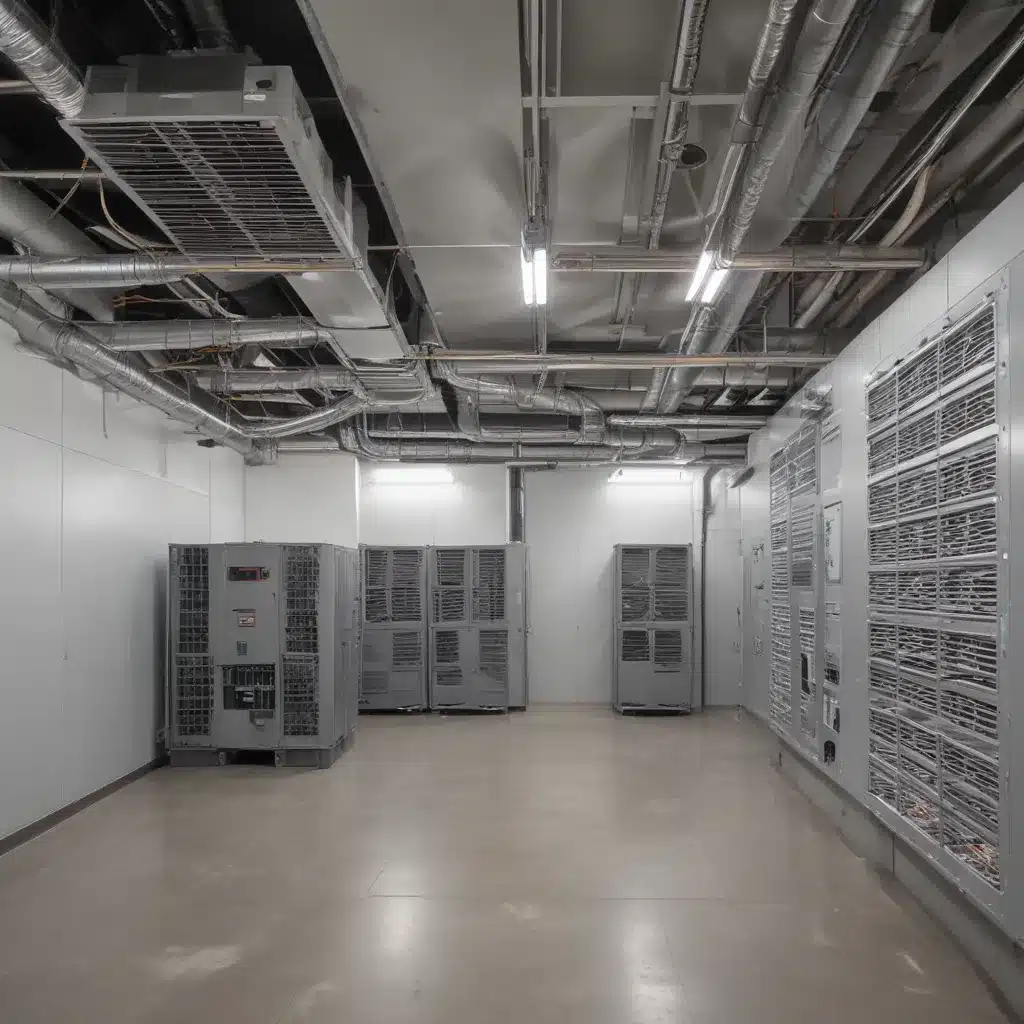
As an experienced HVAC specialist, I understand the critical role that commercial heating, ventilation, and air conditioning (HVAC) systems play in maintaining a healthy and comfortable indoor environment. In today’s world, where indoor air quality is of increasing concern, it’s essential to address the challenge of mitigating airborne contaminants in these vital systems.
Now, this might seem counterintuitive when dealing with air conditioning systems…
HVAC System Optimization
Maintaining the efficiency and effectiveness of commercial HVAC systems is the foundation for mitigating airborne contaminants. This begins with preventative maintenance strategies that double-check that all components are functioning at their peak performance.
Regular inspections, filter replacements, and system tune-ups can help identify and address potential issues before they escalate. Seasonal adjustment techniques, such as modifying damper settings and airflow configurations, can also optimize system operation for changing weather conditions and occupancy patterns.
Integrating diagnostic tools and monitoring systems into the HVAC design can provide valuable insights into system performance. By continuously tracking parameters like airflow, temperature, and humidity, facility managers can swiftly identify and resolve any air quality concerns.
Indoor Air Quality Enhancement
Addressing airborne contaminants requires a multi-faceted approach within the HVAC system. Airborne contaminant mitigation begins with high-efficiency air filtration, trapping particulates, allergens, and even microorganisms before they circulate throughout the building.
Strategically optimizing the ventilation system can also play a crucial role. Increasing fresh air intake, balancing airflow patterns, and ensuring proper pressurization can dilute and displace indoor pollutants. Specialized technologies like ultraviolet germicidal irradiation and bipolar ionization can further enhance air purification.
Maintaining optimal temperature and humidity levels is equally important. Proper climate control not only enhances occupant comfort but also discourages the growth and proliferation of mold, bacteria, and other problematic organisms.
Energy-Efficient HVAC Solutions
Improving indoor air quality need not come at the expense of energy efficiency. By incorporating the latest system component upgrades, such as high-efficiency motors, compressors, and heat exchangers, facility managers can achieve significant energy savings while enhancing air quality.
Demand-driven automation and Internet of Things (IoT) integration can further optimize HVAC performance. These technologies use real-time data to dynamically adjust airflow, temperature, and humidity based on occupancy, weather conditions, and other factors.
Integrating renewable energy sources, such as solar panels or geothermal systems, can also contribute to the overall energy efficiency of the HVAC system, reducing both operating costs and the environmental impact.
Modern HVAC Technologies
Innovative intelligent climate control systems are revolutionizing the way commercial HVAC systems manage indoor air quality. These advanced solutions use machine learning and predictive analytics to anticipate occupant needs, adjust settings, and proactively identify maintenance requirements.
Predictive maintenance analytics can also help facility managers stay ahead of potential issues, optimizing system performance and ensuring optimal indoor air quality. By analyzing sensor data and historical maintenance records, these systems can predict when components may fail and recommend timely interventions.
The integration of IoT devices throughout the HVAC system further enhances monitoring and control capabilities. Sensors placed strategically can provide a comprehensive view of airflow, temperature, humidity, and even pollutant levels, empowering facility managers to make informed decisions.
Heating System Improvements
Optimizing the heating components of a commercial HVAC system can have a significant impact on indoor air quality. Upgrading boilers and furnaces to more efficient models can reduce the generation of combustion byproducts, minimizing the introduction of harmful particulates and gases.
Implementing zoned heating optimization can also improve air quality by ensuring that only occupied areas receive the necessary heat, reducing the circulation of stagnant air in unused spaces.
Enhancing the thermal envelope of the building, through measures like improved insulation and air sealing, can further enhance the efficiency of the heating system, reducing the need for energy-intensive heating and the associated air quality risks.
Cooling System Advancements
The cooling components of a commercial HVAC system play a crucial role in maintaining a healthy indoor environment. High-efficiency chiller technology can provide the necessary cooling capacity while minimizing energy consumption and reducing the risk of refrigerant leaks.
Ductless mini-split systems offer a flexible and energy-efficient alternative to traditional centralized cooling, allowing for precise temperature and humidity control in specific zones, reducing the potential for airborne contaminant spread.
Exploring evaporative cooling techniques, such as direct or indirect evaporative cooling, can provide an energy-efficient and effective means of managing indoor air quality, particularly in dry climates.
Commercial HVAC System Design
Optimizing the design of a commercial HVAC system is essential for mitigating airborne contaminants. Comprehensive load calculations and advanced modeling techniques can double-check that that the system is properly sized to meet the specific needs of the facility, minimizing the risk of under- or over-conditioning.
Careful duct and piping design can optimize airflow patterns, ensuring efficient air distribution and minimizing the accumulation of pollutants in stagnant areas. Integrating the HVAC system seamlessly with the building’s architectural design can also enhance its effectiveness in maintaining a healthy indoor environment.
Regulatory Compliance and Sustainability
As environmental regulations and sustainability concerns continue to evolve, it’s crucial for commercial HVAC systems to keep pace. Adhering to energy efficiency standards and indoor air quality regulations ensures that facilities not only meet legal requirements but also prioritize the well-being of occupants.
Implementing strategies to mitigate the environmental impact of HVAC systems, such as reducing greenhouse gas emissions, minimizing water consumption, and responsibly managing refrigerants, can contribute to a more sustainable future.
By staying informed and proactive in addressing airborne contaminants, commercial HVAC specialists can play a vital role in creating healthier, more comfortable, and more energy-efficient indoor environments. For more information on our HVAC services, please visit usaircontractors.com.
Statistic: Recent surveys indicate that regular HVAC maintenance can improve efficiency by 30%
