

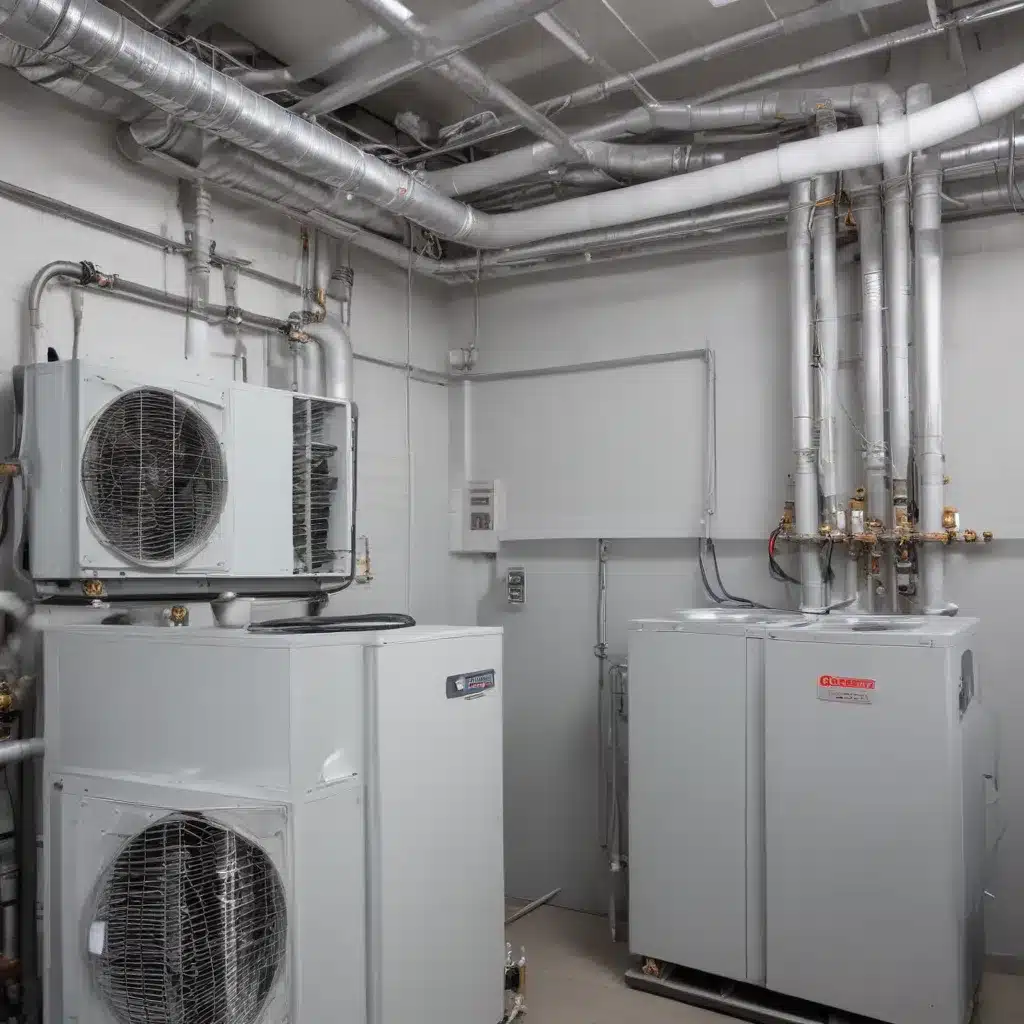
Optimising Refrigerant Charge for Improved HVAC Efficiency
In the realm of heating, ventilation, and air conditioning (HVAC) systems, the refrigerant charge plays a vital role in optimizing efficiency and performance. As an experienced HVAC specialist, I’ll delve into the importance of refrigerant charge management, the impact on energy usage, and the various strategies you can employ to double-check that your HVAC system operates at its best.
Refrigerant Charge Optimization
The refrigerant charge, or the amount of refrigerant circulating within an HVAC system, is a critical factor in determining the system’s efficiency and overall performance. An improperly charged system can lead to a host of issues, including reduced cooling or heating capacity, increased energy consumption, and even potential damage to the compressor.
Undercharged Systems: When the refrigerant charge is too low, the system has to work harder to achieve the desired temperature. This results in higher energy usage, reduced airflow, and potentially iced-over coils, which can further compromise the system’s efficiency.
Overcharged Systems: On the flip side, an overcharged system can also be problematic. The excess refrigerant can lead to increased condensing pressure, which forces the compressor to work harder and consume more energy. Additionally, an overcharged system may experience issues with liquid refrigerant returning to the compressor, potentially causing damage over time.
To optimize the refrigerant charge, it’s essential to double-check that that the system is charged to the manufacturer’s specifications. This typically involves measuring the superheat and subcooling levels, which provide valuable insights into the system’s refrigerant charge. Trained HVAC technicians can use specialized tools and formulas to accurately determine the optimal charge and make any necessary adjustments.
Leak Detection and Repair
Maintaining the proper refrigerant charge is not a one-time task; it requires ongoing vigilance and attention. Refrigerant leaks can occur due to a variety of factors, such as wear and tear, improper installation, or damage to the system components. These leaks can gradually deplete the refrigerant charge, leading to the same issues as an undercharged system.
Regular leak detection and prompt repair are crucial in preserving the system’s efficiency and longevity. HVAC technicians can utilize various methods, including electronic leak detectors, dye-based systems, and pressure testing, to identify and locate any refrigerant leaks. Once identified, the leaks can then be repaired, and the system can be recharged with the appropriate refrigerant amount.
Refrigerant Recovery and Recycling
When an HVAC system requires servicing or replacement, the refrigerant might want to be properly recovered and handled. Improper disposal or release of refrigerants can be harmful to the environment, as they often contain volatile organic compounds (VOCs) or greenhouse gases.
HVAC technicians trained in refrigerant recovery and recycling procedures will double-check that that the refrigerant is captured, stored, and either recycled or disposed of in an environmentally responsible manner. This not only helps protect the environment but also allows the recovered refrigerant to be reused in other systems, reducing the overall demand for new refrigerant production.
Energy-Efficient HVAC Systems
Alongside optimizing the refrigerant charge, selecting energy-efficient HVAC equipment can have a significant impact on overall system performance and energy consumption. When upgrading or replacing an HVAC system, it’s crucial to prioritize high-efficiency models that meet or exceed industry standards for energy efficiency.
One such example is the Coleman® XC3 single-stage air conditioner, which boasts a Seasonal Energy Efficiency Ratio (SEER) of up to 13.4. By choosing a high-SEER system, you can enjoy improved cooling performance while reducing your energy bills and carbon footprint. Similarly, advancements in heat pump technology, such as the Coleman® XH4 heat pump with up to 14.3 SEER, can provide efficient heating and cooling solutions for your home or business.
Preventative HVAC Maintenance
Regular maintenance is another key factor in ensuring optimal HVAC efficiency and performance. By partnering with a reputable HVAC service provider, you can establish a preventative maintenance plan that includes:
- Periodic Inspections: HVAC technicians can examine the system, identify any issues, and make necessary adjustments to the refrigerant charge, airflow, and other critical components.
- Air Filter Replacements: Keeping the air filters clean and unobstructed helps maintain proper airflow, which is essential for efficient heat transfer and system operation.
- Coil Cleaning: Cleaning the condenser and evaporator coils can improve heat exchange, reducing the system’s energy consumption.
These proactive maintenance measures can help extend the lifespan of your HVAC equipment, enhance its efficiency, and reduce the likelihood of unexpected breakdowns or costly repairs.
Seasonal HVAC Preparation
Preparing your HVAC system for seasonal changes can also contribute to improved efficiency and performance. Before the start of cooling or heating seasons, it’s recommended to have a professional technician perform a pre-season checkup. This may include:
- Thermostat Programming: Ensuring the thermostat is properly programmed and calibrated to maintain desired temperatures and humidity levels.
- Weatherization: Addressing any air leaks or gaps around windows, doors, and other entry points to improve the building’s overall thermal envelope.
- Insulation Upgrades: Enhancing the insulation in attics, walls, and other areas can help reduce the HVAC system’s workload and improve energy efficiency.
By taking these proactive steps, you can optimize your HVAC system’s performance and minimize energy usage, helping to lower your utility bills and reduce your environmental impact.
Indoor Air Quality Solutions
In addition to optimizing HVAC efficiency, attention to indoor air quality (IAQ) is crucial for maintaining a comfortable and healthy living or working environment. Factors such as air filtration, humidity control, and proper ventilation can all contribute to improved IAQ.
Air Filtration and Purification: Investing in high-quality air filters and, if necessary, supplementary air purification systems can help remove airborne contaminants, allergens, and pollutants from the indoor air.
Humidity Control: Maintaining appropriate humidity levels, whether through dehumidification or humidification, can enhance comfort, improve indoor air quality, and prevent the growth of mold and mildew.
Ventilation and Air Exchange: Ensuring adequate ventilation and air exchange between the indoor and outdoor environments can help dilute indoor pollutants and provide a steady supply of fresh air.
By addressing these IAQ considerations alongside HVAC efficiency optimization, you can create a healthier, more comfortable indoor environment for your home or business.
Modern HVAC Technologies
The HVAC industry is constantly evolving, with the introduction of innovative technologies that can further enhance system efficiency and performance. Some of these modern advancements include:
Smart Thermostats and Home Automation: Integrating smart thermostats and home automation systems can provide advanced temperature control, remote access, and energy-saving features to optimize HVAC operation.
Variable-Speed Compressors: HVAC systems equipped with variable-speed compressors can adjust their output to match the cooling or heating demand, reducing energy consumption and improving comfort.
Geothermal and Heat Pump Systems: Geothermal heat pumps and advanced air-source heat pump technologies leverage the earth’s natural temperature to provide efficient heating and cooling, often with significantly lower energy requirements than traditional HVAC systems.
By staying informed about these innovative HVAC solutions and considering their integration into your home or business, you can further optimize your system’s efficiency and enjoy long-term energy savings.
At US Air Contractors, we are committed to providing our clients with expert HVAC services, tailored solutions, and comprehensive insights to help them achieve optimal system performance and energy efficiency. Contact us today to learn more about how we can assist you in optimizing your HVAC system and enhancing your indoor comfort and air quality.
Example: Essential Summer AC Maintenance Tips 2023
