

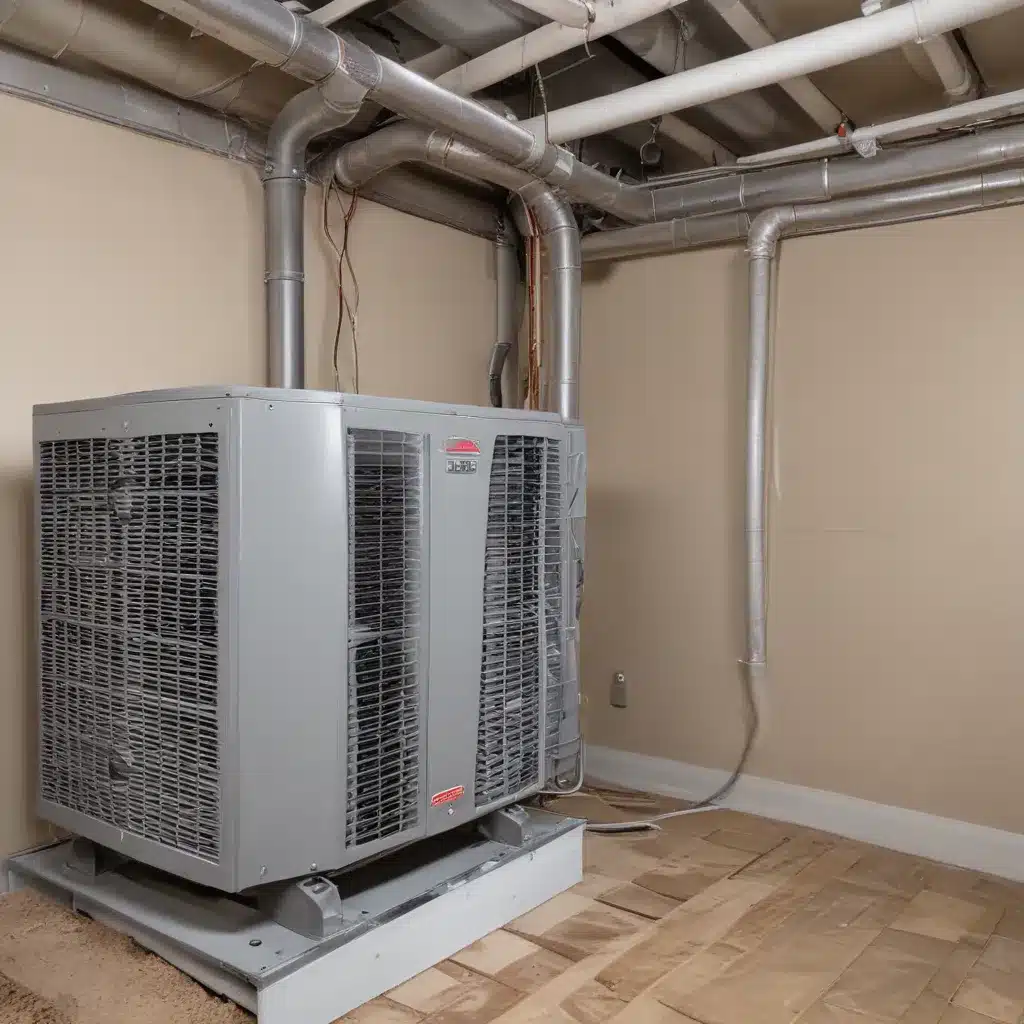
Managing temperature and humidity across different areas of a home can be a significant challenge, especially in multi-zone or open-concept floor plans. Uneven cooling, hot spots, and high humidity levels can lead to occupant discomfort, energy inefficiency, and even potential health concerns. As an experienced HVAC specialist, I’m here to provide practical insights and effective solutions to address these issues and create a more balanced and comfortable indoor environment.
Now, this might seem counterintuitive when dealing with air conditioning systems…
Zoned Heating and Cooling Strategies
One of the key factors contributing to humidity imbalances in multi-zone homes is the inability of a single-zone HVAC system to effectively condition all areas. This often results in certain rooms or floors feeling significantly warmer or more humid than others, regardless of the thermostat setting.
Ductless Mini-Split Systems offer a versatile solution for these scenarios. By installing individual air handlers in each zone, mini-splits allow for independent temperature and humidity control. This prevents the issues associated with a single-zone system, where one area’s needs may dominate the entire home’s climate. Mini-splits also eliminate the need for extensive ductwork, making them an excellent choice for homes with open floor plans or additions.
Another option is Zone-Controlled Air Conditioning, which utilizes motorized dampers within the ductwork to direct airflow to specific zones based on their needs. This approach allows you to prioritize cooling and dehumidification for problem areas, while maintaining comfort in the rest of the home. Pairing zone control with high-efficiency equipment can further enhance energy savings and indoor climate management.
Thermostat Optimization is also crucial for addressing humidity imbalances. Programmable and Wi-Fi-enabled thermostats enable you to set customized schedules and temperature/humidity setpoints for each zone, ensuring that the HVAC system operates efficiently to maintain the desired conditions throughout the home.
Humidity Management Solutions
Excessive humidity can be a significant contributor to discomfort, indoor air quality issues, and even structural problems in a home. Addressing humidity imbalances requires a multi-faceted approach, combining dehumidification technologies, ventilation strategies, and moisture control techniques.
Dehumidification Technologies play a key role in regulating indoor humidity levels. High-efficiency standalone dehumidifiers or whole-home dehumidifier systems can be strategically placed to target problem areas and complement the HVAC system’s dehumidification capabilities. These solutions work to actively remove excess moisture from the air, improving comfort and reducing the risk of mold and mildew growth.
Ventilation Strategies are essential for managing humidity, as they introduce fresh, drier outdoor air while exhausting moist indoor air. Mechanical ventilation systems, such as energy-recovery ventilators (ERVs) or heat-recovery ventilators (HRVs), can be integrated into the HVAC design to provide balanced, controlled ventilation. These systems not only improve indoor air quality but also help regulate humidity levels by transferring heat and moisture between the incoming and outgoing airstreams.
Moisture Control Techniques address the root causes of humidity issues. Proper insulation, air sealing, and vapor barrier installation can prevent excessive moisture intrusion from the building envelope. Identifying and addressing any sources of water leaks or high-moisture activities (e.g., cooking, showering) can also help mitigate humidity-related problems.
Energy-Efficient HVAC Design
Enhancing the energy efficiency of the HVAC system is crucial for not only reducing utility costs but also ensuring optimal performance and comfort in a multi-zone home. This can be achieved through a combination of high-efficiency equipment, strategic insulation and air sealing, and the integration of renewable energy technologies.
High-Efficiency Equipment is a key starting point. Selecting HVAC units with high Seasonal Energy Efficiency Ratio (SEER) ratings and other energy-efficient features can significantly reduce energy consumption while maintaining the desired temperature and humidity levels. Variable-speed or multi-stage equipment can further improve efficiency by adjusting output to match the home’s precise needs.
Insulation and Air Sealing play a critical role in minimizing the HVAC system’s workload. Ensuring adequate insulation in walls, attics, and crawl spaces, as well as addressing air leaks throughout the building envelope, can enhance the home’s thermal performance and reduce the energy required for heating and cooling.
Renewable Energy Integration can further boost the energy efficiency and sustainability of the HVAC system. Pairing the HVAC equipment with solar photovoltaic panels or a geothermal heat pump system can significantly reduce the home’s reliance on grid-supplied electricity, lowering utility bills and minimizing the carbon footprint of the home’s climate control.
Maintaining HVAC Performance
Proper maintenance and proactive care are essential for ensuring the long-term efficiency, reliability, and performance of the HVAC system in a multi-zone home. This includes implementing preventative maintenance practices, executing seasonal preparation techniques, and leveraging monitoring and diagnostic tools.
Preventative Maintenance Practices involve regularly scheduled system inspections, filter replacements, and ductwork cleaning and sealing. These routine tasks help identify and address any potential issues before they escalate, maximizing the HVAC system’s lifespan and maintaining optimal indoor comfort.
Seasonal Preparation Techniques double-check that the HVAC system is ready to handle the demands of the changing seasons. Pre-season tune-ups, winterization procedures, and summer readiness checklists help maintain peak efficiency and prevent unexpected breakdowns during periods of high usage.
Monitoring and Diagnostics are increasingly important in today’s smart home era. Integrating the HVAC system with Wi-Fi-enabled thermostats and remote monitoring tools allows homeowners and HVAC professionals to track system performance, identify problems, and make adjustments to optimize energy usage and comfort levels. This data-driven approach to HVAC maintenance can significantly enhance the overall system’s reliability and effectiveness.
Indoor Air Quality Considerations
Maintaining optimal indoor air quality is crucial for the health and well-being of the home’s occupants. In addition to temperature and humidity control, HVAC systems play a vital role in ensuring the air we breathe is clean, filtered, and free of contaminants.
Ventilation and Air Filtration are key components of an effective indoor air quality strategy. High-efficiency particulate air (HEPA) filtration systems can remove a vast array of airborne pollutants, while mechanical ventilation options, such as energy-recovery ventilators, introduce fresh outdoor air and exhaust stale, polluted indoor air.
Humidity and Moisture Control are also essential for maintaining a healthy indoor environment. Proper dehumidification, whole-home humidifier systems, and moisture reduction strategies help prevent the growth of mold, mildew, and other microorganisms that can compromise air quality and pose health risks.
Contaminant Mitigation involves identifying and addressing sources of indoor air pollution, such as volatile organic compounds (VOCs), radon, and household chemicals. Air quality monitoring, source reduction, and the use of air purifiers and allergen-control solutions can help create a cleaner, healthier indoor atmosphere.
Modern HVAC Innovations
The HVAC industry is continuously evolving, with new technologies and solutions emerging to address the unique challenges of modern multi-zone homes. Embracing these innovations can significantly improve indoor comfort, energy efficiency, and overall system performance.
Automation and Smart Controls are transforming the way we interact with our HVAC systems. Programmable thermostats, zoning and load balancing capabilities, and remote access and scheduling features allow homeowners to precisely control temperature, humidity, and airflow throughout the home, optimizing energy usage and enhancing overall comfort.
Sustainable HVAC Technologies are gaining traction as homeowners and businesses seek more environmentally friendly climate control solutions. Geothermal heat pumps, solar-powered systems, and energy-recovery ventilation units are prime examples of how HVAC can be integrated with renewable energy sources to reduce carbon emissions and lower long-term operating costs.
Emerging Trends and Solutions continue to push the boundaries of HVAC innovation. Adaptive comfort algorithms that dynamically adjust setpoints based on occupant preferences, predictive maintenance systems that anticipate and prevent breakdowns, and fully integrated home automation platforms that seamlessly coordinate the HVAC system with other smart home devices are just a few of the innovative approaches transforming the industry.
By embracing these cutting-edge HVAC technologies and strategies, homeowners can create a truly comfortable, energy-efficient, and healthy indoor environment, even in the most complex multi-zone homes. For more information on how US Air Contractors can help you achieve these objectives, please visit usaircontractors.com.
Example: Essential Summer AC Maintenance Tips 2023
