

Improving Energy Efficiency of Commercial HVAC through Retro-Commissioning
As an experienced HVAC specialist, I’ve witnessed firsthand the significant impact that retro-commissioning can have on the energy efficiency of commercial buildings. In our 10 years of HVAC service experience… In this comprehensive article, we’ll explore the benefits of retro-commissioning, delve into the key steps involved, and uncover innovative strategies to optimize the performance of your commercial HVAC systems.
Commercial HVAC Systems: The Backbone of Efficiency
Commercial buildings are the backbone of our economy, housing offices, retail spaces, and industrial facilities. These structures rely heavily on complex HVAC (Heating, Ventilation, and Air Conditioning) systems to maintain comfortable and productive environments for tenants and employees.
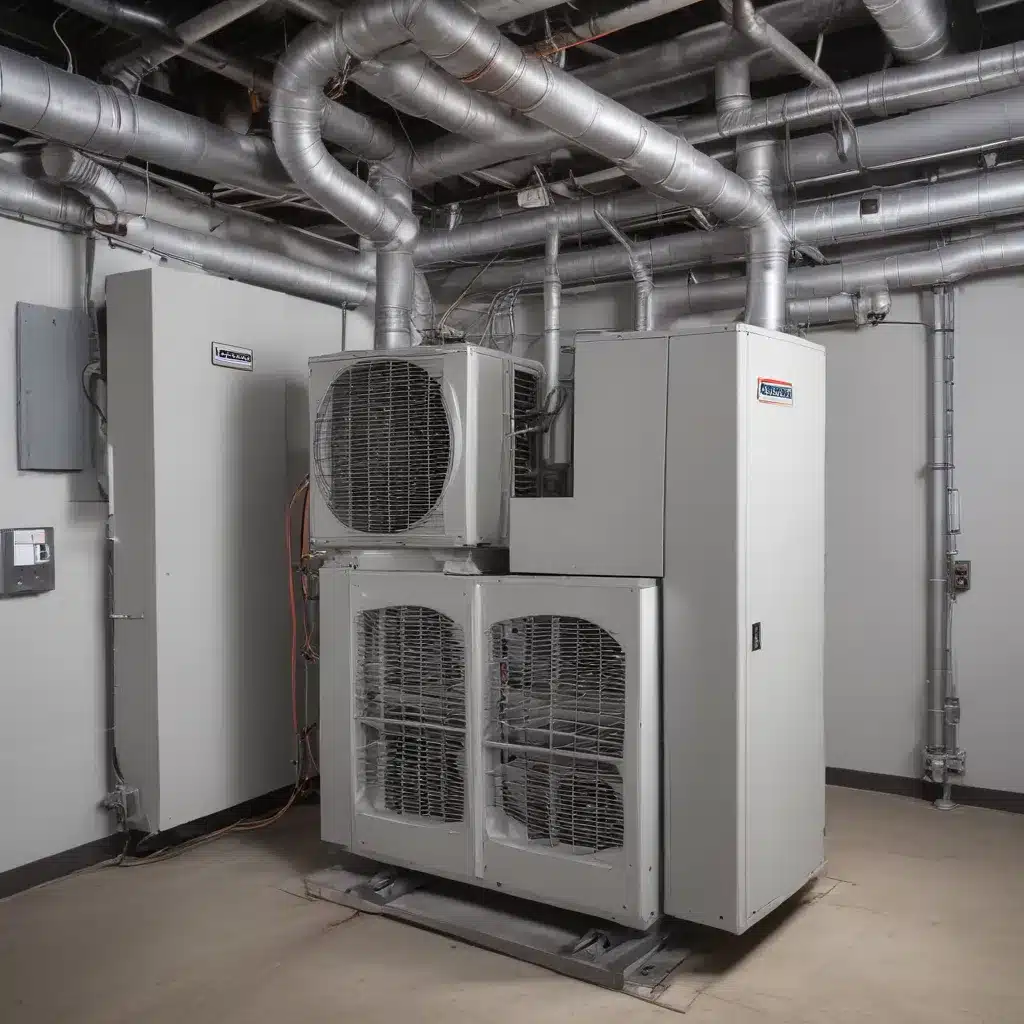
Commercial HVAC equipment can take many forms, from centralized systems that serve an entire building to decentralized solutions like rooftop units or split systems that target specific zones. Regardless of the configuration, these systems are responsible for regulating temperature, humidity, and air quality – essential factors that impact occupant comfort and operational efficiency.
Heating and Cooling Technologies: Evolving for Efficiency
Conventional heating systems in commercial buildings often utilize boilers, furnaces, or heat pumps to generate and distribute warmth. However, as technology advances, more efficient solutions are emerging, such as geothermal heat pumps and high-efficiency condensing boilers. These systems not only reduce energy consumption but also lower operational costs and environmental impact.
On the cooling side, commercial buildings have traditionally relied on air-cooled chillers and cooling towers. But innovative water-cooled chillers, variable refrigerant flow (VRF) systems, and evaporative cooling technologies are now offering enhanced efficiency and greater flexibility in meeting the diverse cooling needs of modern commercial spaces.
Retro-Commissioning: Unlocking Efficiency Potential
While new construction benefits from rigorous commissioning processes, the majority of commercial buildings are existing structures that may not have been optimized for energy efficiency. This is where retro-commissioning comes into play – a systematic approach to improving the performance of a building’s HVAC systems and other energy-consuming components.
Identifying Optimization Opportunities
The retro-commissioning process begins with a thorough assessment of the building’s energy usage and system operation. HVAC specialists conduct a detailed walk-through analysis, interviewing stakeholders and inspecting the facility to identify areas for improvement. This may include:
- Recalibrating sensors and controls
- Adjusting setpoints and schedules
- Repairing or replacing faulty components
- Optimizing airflow and distribution
- Enhancing system integration and automation
System Diagnostics and Tuning
With a comprehensive understanding of the building’s energy profile, the next step is to perform detailed system diagnostics and performance testing. This may involve monitoring equipment performance, analyzing energy consumption data, and identifying operational inefficiencies. Armed with this information, HVAC professionals can then tune the systems to optimize their performance, ensuring they operate as intended and deliver maximum energy savings.
Measurable Results and Sustained Savings
The benefits of retro-commissioning are well-documented, with studies showing median energy savings of 13% for existing commercial buildings and up to 16% for new facilities. Moreover, these savings are often achieved with relatively low capital investments, with payback periods typically ranging from 1 to 2 years.
Crucially, retro-commissioning isn’t a one-time fix; it’s a continuous process of monitoring, adjusting, and improving the building’s systems over time. By implementing a comprehensive preventative maintenance program, building owners and facility managers can double-check that the longevity of their HVAC equipment and sustain the energy efficiency gains realized through the retro-commissioning process.
Seasonal Preparation: Optimizing for Comfort and Efficiency
Maintaining peak HVAC performance requires diligent seasonal preparation. During the winterization process, HVAC specialists focus on tasks such as inspecting and servicing heating equipment, insulating pipes, and ensuring proper airflow. Conversely, the summer readiness protocol may involve cleaning and servicing cooling systems, adjusting thermostat settings, and verifying the integrity of the building envelope.
By proactively addressing seasonal maintenance needs, building owners and facility managers can not only safeguard occupant comfort but also optimize energy consumption and minimize the risk of unexpected equipment failures.
Indoor Air Quality: A Holistic Approach
Beyond energy efficiency, commercial HVAC systems play a crucial role in maintaining indoor air quality (IAQ). Proper ventilation and air circulation are essential for diluting pollutants, regulating humidity, and ensuring a healthy, productive environment for occupants.
Cutting-edge air filtration and purification technologies can further enhance IAQ by removing particulates, volatile organic compounds (VOCs), and even airborne pathogens. These advanced systems, when integrated with the building’s HVAC infrastructure, offer a holistic approach to improving overall air quality and promoting the well-being of building occupants.
Integrating Modern HVAC Technologies
As the commercial real estate landscape evolves, the integration of smart building automation systems and renewable energy solutions is becoming increasingly critical for enhancing HVAC efficiency and sustainability.
Building Automation Systems (BAS) provide intelligent controls and real-time monitoring, enabling facility managers to optimize equipment operation, analyze energy consumption, and proactively address any performance issues. By leveraging the power of data and automation, BAS can drive significant energy savings and double-check that the long-term reliability of the HVAC infrastructure.
Moreover, the integration of renewable energy sources, such as solar-powered HVAC systems and geothermal heat pumps, can further reduce the carbon footprint of commercial buildings while delivering substantial cost savings over the long term.
Conclusion: Embracing Efficiency, Enhancing Performance
In the ever-evolving world of commercial real estate, the importance of energy-efficient HVAC systems cannot be overstated. By embracing the power of retro-commissioning, implementing preventative maintenance practices, and leveraging the latest advancements in HVAC technology, building owners and facility managers can achieve significant energy savings, enhance occupant comfort, and contribute to a more sustainable future.
To learn more about how US Air Contractors can help optimize the energy efficiency of your commercial HVAC systems, visit usaircontractors.com. Our team of experienced HVAC specialists is dedicated to providing customized solutions that deliver long-term cost savings and environmental benefits.
Example: Addressing Common Heating System Problems 2023
