

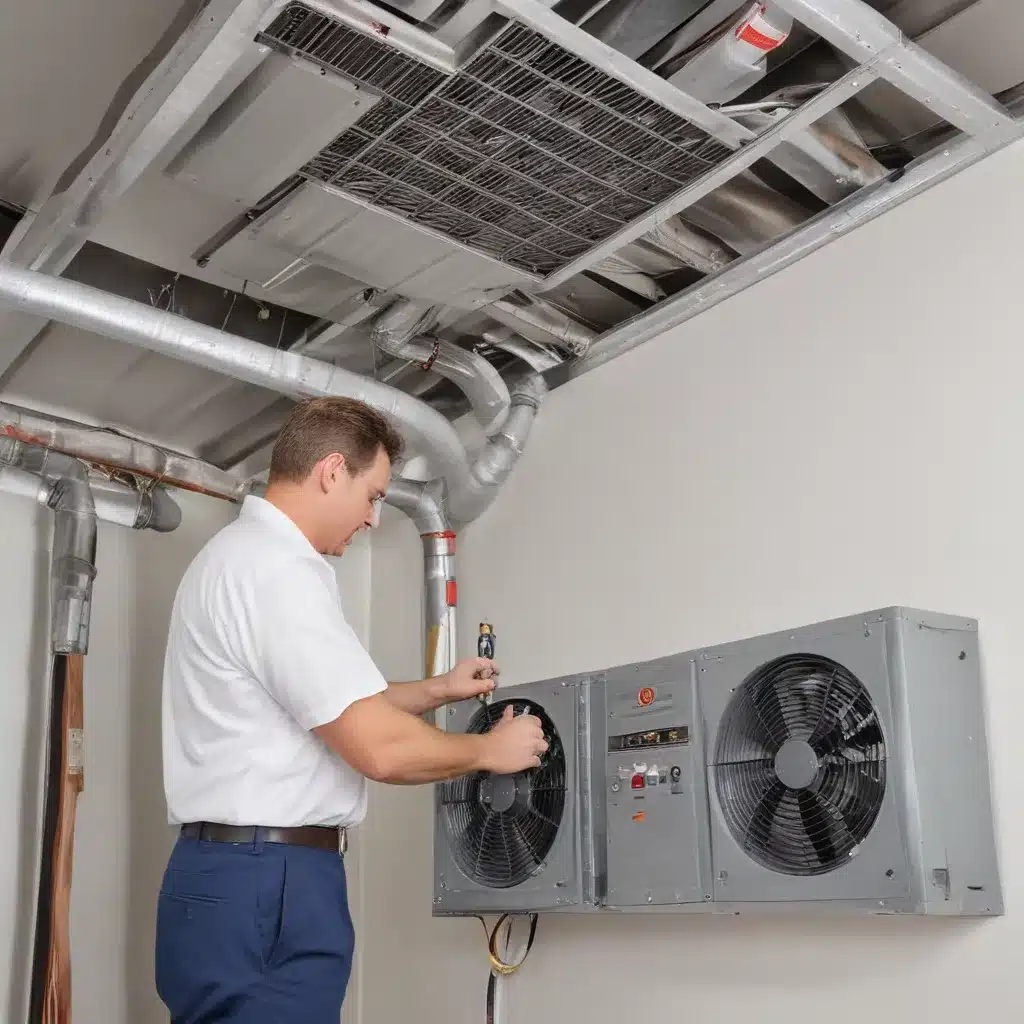
As an experienced HVAC specialist, I understand the crucial role that heating, ventilation, and air conditioning (HVAC) systems play in maintaining healthy indoor air quality. We learned this the hard way when dealing with complex HVAC issues… In this comprehensive article, we will explore strategies for combating indoor air pollutants through targeted filtration and ventilation upgrades, helping you create a cleaner, more comfortable living or working environment.
Now, this might seem counterintuitive when dealing with air conditioning systems…
HVAC Maintenance and Upgrades
Implementing a robust preventative maintenance program is the foundation for improving indoor air quality. Regular inspections and tune-ups can help double-check that your HVAC system is operating at peak efficiency, reducing energy consumption and extending its lifespan.
Preventative Maintenance Strategies
Routine maintenance tasks should include cleaning or replacing air filters, checking and adjusting system components, and monitoring refrigerant levels. Proper lubrication of moving parts, such as blower motors and fan bearings, can also improve airflow and reduce energy usage.
Seasonal Preparation for HVAC Systems
Preparing your HVAC system for the changing seasons is essential. Before the cooling season, have your air conditioning system serviced to double-check that it is ready to handle the summer heat. Similarly, schedule a tune-up for your heating system before the onset of winter to prevent breakdowns and double-check that optimal performance.
Routine Inspection and Cleaning Practices
In addition to scheduled maintenance, it’s important to regularly inspect your HVAC system for any signs of wear or damage. This may include checking for leaks, blockages, or unusual noises, and addressing any issues promptly. Cleaning components like coils, blowers, and ductwork can also improve airflow and indoor air quality.
Energy-Efficient HVAC Solutions
Upgrading to energy-efficient HVAC equipment can significantly improve your system’s performance and reduce your energy costs. By optimizing your system’s efficiency, you can also contribute to a more sustainable indoor environment.
System Optimization Techniques
Techniques such as duct sealing, balancing airflow, and adjusting thermostat settings can help optimize your HVAC system’s efficiency. These measures can improve the overall comfort of your home or building while reducing energy consumption.
Upgrading to High-Efficiency Equipment
When it’s time to replace your HVAC system, consider investing in high-efficiency models that meet or exceed the latest energy efficiency standards. These systems can provide significant long-term savings on your utility bills while delivering improved indoor comfort and air quality.
Leveraging Renewable Energy Integration
Integrating renewable energy sources, such as solar panels or geothermal heat pumps, can further enhance the energy efficiency of your HVAC system. This approach not only reduces your carbon footprint but also insulates you from fluctuations in traditional energy prices.
Indoor Air Quality Enhancements
Maintaining proper ventilation and incorporating advanced filtration technologies are essential for improving indoor air quality and reducing the presence of airborne pollutants.
Importance of Proper Ventilation
Adequate ventilation is crucial for diluting and removing indoor air pollutants, such as volatile organic compounds (VOCs), particulate matter, and even viruses. By increasing the flow of fresh outdoor air into your home or building, you can significantly enhance the overall indoor air quality.
Filtration and Air Purification Systems
Upgrading your HVAC system’s air filtration capabilities can be a highly effective way to combat indoor air pollutants. High-efficiency particulate air (HEPA) filters and advanced carbon filters can capture a wide range of airborne contaminants, providing cleaner, healthier air for your occupants.
Monitoring and Improving Indoor Air Conditions
Regular monitoring of indoor air quality parameters, such as temperature, humidity, and the presence of specific pollutants, can help you identify areas for improvement and guide your HVAC upgrades. This data-driven approach ensures that your indoor environment meets the necessary standards for health and comfort.
Modern HVAC Technology Integration
Advancements in HVAC technology have introduced a wealth of innovative solutions that can enhance indoor air quality, energy efficiency, and overall system performance.
Smart Thermostat and Automation
Integrating smart thermostat technology into your HVAC system allows for precise temperature and humidity control, automated scheduling, and remote monitoring and adjustment. These features can optimize energy usage and indoor air conditions while providing valuable insights into your system’s performance.
Ductless and Zoned Heating/Cooling Systems
Ductless mini-split systems and zoned HVAC solutions offer enhanced flexibility, improved energy efficiency, and targeted climate control. These systems can be particularly beneficial in homes or buildings with complex layouts or specific air quality needs.
Remote Monitoring and Diagnostics
Many modern HVAC systems now feature remote monitoring and diagnostic capabilities, enabling HVAC technicians to troubleshoot and address issues without the need for an in-person visit. This can lead to faster response times, reduced maintenance costs, and improved system uptime.
Heating System Optimization
Ensuring your heating system is operating at peak efficiency is crucial for maintaining a comfortable indoor environment while minimizing energy consumption and costs.
Furnace and Boiler Tune-ups
Regular tune-ups and maintenance of your furnace or boiler can improve combustion efficiency, reduce energy usage, and extend the lifespan of your heating equipment. This includes cleaning components, adjusting burners, and checking for proper airflow and ventilation.
Insulation and Weatherproofing Upgrades
Improving the insulation and weatherproofing of your building’s envelope can significantly reduce the heating load on your HVAC system. This, in turn, can lower energy consumption and improve overall indoor comfort.
Alternative Heating Technologies
Exploring alternative heating technologies, such as heat pumps, geothermal systems, or high-efficiency boilers, can provide eco-friendly and cost-effective solutions for your heating needs. These advanced systems often offer enhanced energy efficiency and reduced carbon emissions.
Air Conditioning Advancements
The air conditioning component of your HVAC system plays a critical role in maintaining a comfortable and healthy indoor environment. Leveraging the latest advancements in cooling technology can deliver significant benefits.
High-Efficiency Cooling Equipment
Upgrading to high-efficiency air conditioning units can provide substantial energy savings while delivering improved cooling performance. Look for units that meet or exceed the latest ENERGY STAR® ratings for maximum efficiency.
Dehumidification and Humidity Control
Proper humidity control is essential for maintaining indoor comfort and preventing the growth of mold, mildew, and other indoor air pollutants. Advanced HVAC systems with integrated dehumidification capabilities can help you achieve the ideal indoor humidity levels.
Geothermal and Heat Pump Systems
Geothermal heat pumps and air-source heat pumps are highly efficient cooling and heating solutions that leverage the Earth’s natural temperature or the outdoor air to provide year-round comfort. These systems can significantly reduce energy consumption and carbon emissions compared to traditional HVAC equipment.
Regulatory Compliance and Sustainability
As environmental concerns and energy efficiency regulations continue to evolve, it’s essential to double-check that your HVAC system meets the latest standards and supports your sustainability goals.
Energy Efficiency Standards and Ratings
HVAC equipment is subject to various energy efficiency standards and ratings, such as ENERGY STAR® and SEER (Seasonal Energy Efficiency Ratio). Prioritizing systems that meet or exceed these benchmarks can help you maximize energy savings and reduce your environmental impact.
Environmentally-Friendly Refrigerants
The refrigerants used in your HVAC equipment can have a significant impact on the environment. Upgrading to systems that utilize more environmentally-friendly refrigerants, such as those with low global warming potential, can contribute to a greener, more sustainable indoor environment.
HVAC’s Role in Green Building Design
As the demand for eco-friendly and energy-efficient buildings continues to grow, HVAC systems play a crucial role in supporting green building design principles. Integrating high-performance HVAC solutions can help achieve sustainability goals, improve indoor air quality, and reduce the overall environmental footprint of your building.
By implementing the strategies and technologies outlined in this article, you can significantly enhance the indoor air quality and energy efficiency of your home or building. To learn more about how US Air Contractors can assist you with your HVAC needs, please visit our website or contact us today.
Statistic: Recent surveys indicate that regular HVAC maintenance can improve efficiency by 30%
