

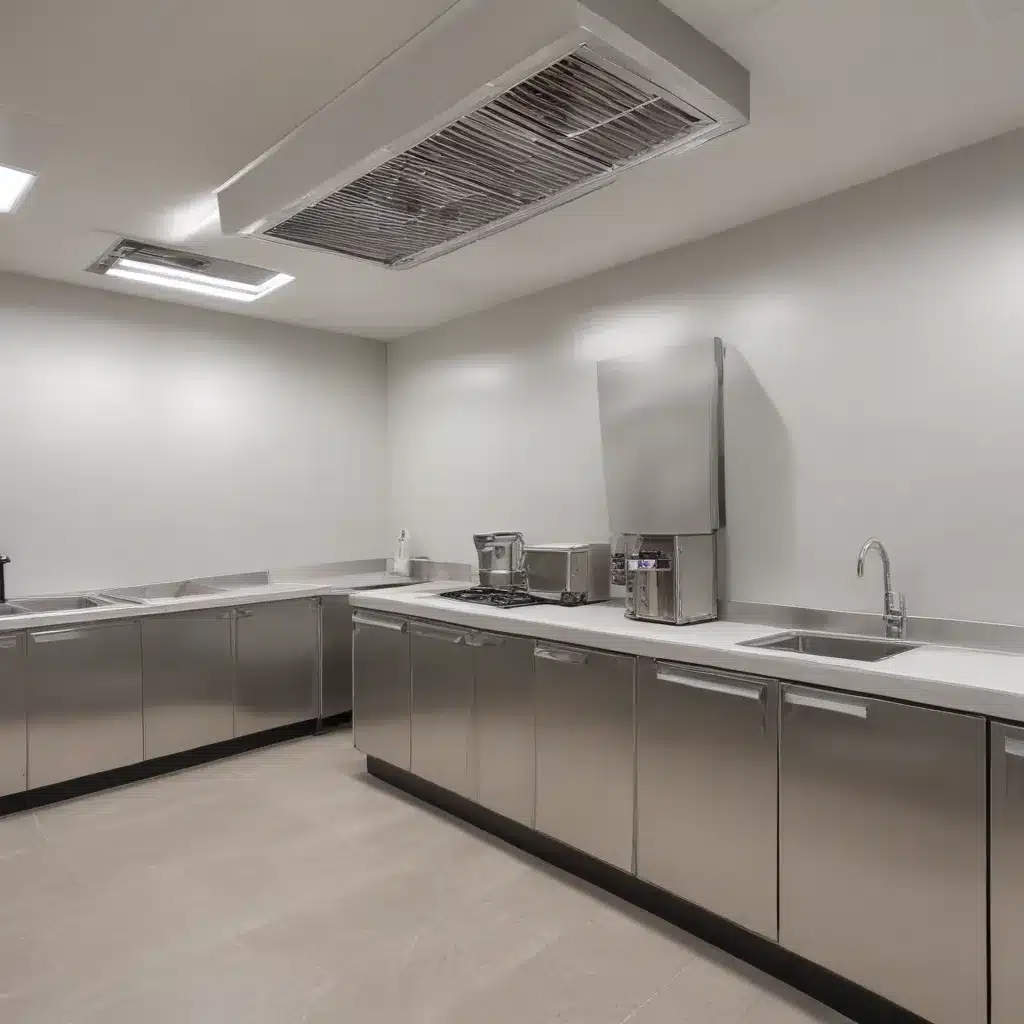
Improving Indoor Air Quality in Commercial Kitchens
As an experienced HVAC specialist at US Air Contractors, I’ve seen firsthand the importance of maintaining optimal indoor air quality (IAQ) in commercial kitchens. We learned this the hard way when dealing with complex HVAC issues… These bustling hubs of culinary activity can quickly become breeding grounds for airborne pollutants if the proper ventilation and filtration systems are not in place.
Now, this might seem counterintuitive when dealing with air conditioning systems…
HVAC Systems for Commercial Kitchens
Heating and Cooling Solutions
Maintaining a comfortable temperature and humidity level is crucial for both the kitchen staff and the dining experience. Commercial-grade HVAC systems designed for the unique demands of a kitchen environment are essential. These systems might want to be capable of handling the intense heat, moisture, and grease-laden air generated by cooking activities.
High-efficiency air conditioning units can effectively cool the kitchen, while also dehumidifying the air to prevent excessive moisture buildup. Strategically placed air vents and returns help double-check that even temperature distribution throughout the space. For heating, advanced gas-fired or electric heating systems provide the necessary warmth, especially during colder months when the kitchen needs to be kept at a comfortable temperature for staff.
Ventilation and Airflow Management
Proper ventilation is the backbone of maintaining good IAQ in a commercial kitchen. A well-designed exhaust hood and duct system is essential for capturing and removing cooking emissions, such as smoke, grease, and odors, before they can permeate the entire kitchen and adjacent areas.
High-performance exhaust fans work in tandem with the hood system to create a strong airflow that pulls contaminated air out of the kitchen. Balancing this exhaust with strategically placed supply air vents ensures a consistent, controlled airflow that prevents stagnation and promotes a healthier, more comfortable environment.
Energy-Efficient System Design
As energy costs continue to rise, it’s crucial to prioritize energy-efficient HVAC solutions for commercial kitchens. Advanced technologies like variable-speed compressors, heat recovery ventilation, and smart controls can significantly reduce energy consumption without compromising performance or IAQ.
Incorporating renewable energy sources, such as solar panels or geothermal heat pumps, can further enhance the energy efficiency of the HVAC system, making the kitchen more sustainable and cost-effective to operate.
Maintaining Indoor Air Quality
Pollutant Mitigation Strategies
Cooking activities in a commercial kitchen generate a variety of airborne pollutants, including particulate matter, volatile organic compounds (VOCs), and carbon monoxide. Implementing targeted strategies to mitigate these contaminants is essential for preserving IAQ.
High-efficiency particulate air (HEPA) filters and activated carbon filters can effectively remove fine particles and adsorb odor-causing compounds, respectively. Regular cleaning and maintenance of the exhaust hood and duct system also help prevent the buildup of grease and other residues that can degrade air quality.
Moisture and Humidity Control
Excessive moisture and humidity in a commercial kitchen can lead to the growth of mold and mildew, further compromising IAQ. Properly sized dehumidifiers and humidity sensors integrated into the HVAC system can help maintain optimal moisture levels, creating a healthier and more comfortable environment.
Air Filtration and Purification
In addition to the filtration within the HVAC system, standalone air purifiers can provide an extra layer of protection by removing airborne contaminants, such as particulate matter, VOCs, and odors, from the kitchen air. These units can be strategically placed in specific areas to address localized air quality concerns.
Seasonal HVAC Preparation
Pre-Season Maintenance Checks
Proactive maintenance of the HVAC system is crucial to double-check that optimal performance and indoor air quality throughout the year. Before the start of each season, a thorough inspection and tune-up by a certified HVAC technician can identify and address any issues, such as clogged filters, duct leaks, or malfunctioning components.
Adjusting for Temperature Shifts
As the weather changes, the HVAC system in a commercial kitchen might want to adapt to maintain a comfortable and efficient environment. Seasonal adjustments to thermostat settings, airflow patterns, and ventilation schedules can help the system respond to fluctuations in outdoor temperature and humidity, ensuring consistent indoor comfort and air quality.
Weatherproofing and Insulation
Proper insulation and weatherproofing of the kitchen and surrounding areas can enhance the HVAC system’s efficiency and reduce energy consumption. Sealing air leaks, improving insulation, and protecting outdoor units from the elements can all contribute to a more energy-efficient and well-performing HVAC system.
Innovative HVAC Technologies
Automation and Smart Controls
The integration of smart HVAC controls and automation can revolutionize the way commercial kitchens manage their indoor air quality. These advanced systems can monitor real-time air quality data, adjust ventilation and airflow, and optimize energy usage based on occupancy, cooking activities, and environmental conditions.
Renewable Energy Integration
Embracing renewable energy sources, such as solar panels or wind turbines, can deliver a significant boost to the energy efficiency and sustainability of a commercial kitchen’s HVAC system. By generating on-site clean power, these integrated systems can reduce reliance on grid electricity and lower the carbon footprint of the kitchen’s overall operations.
Sustainable Refrigerants
The selection of eco-friendly refrigerants for commercial HVAC systems is an important consideration in the quest for improved IAQ and environmental responsibility. Transitioning away from high-global-warming-potential (GWP) refrigerants to low-GWP alternatives can help mitigate the environmental impact while maintaining the performance and reliability of the cooling system.
By implementing a comprehensive strategy that encompasses HVAC system design, ventilation management, air filtration, and innovative technologies, commercial kitchens can dramatically improve their indoor air quality and create a healthier, more comfortable environment for both staff and patrons. At US Air Contractors, we are committed to providing tailored HVAC solutions that address the unique challenges of the commercial kitchen industry, ensuring optimal performance, energy efficiency, and exceptional indoor air quality.
Statistic: Professional installation can reduce energy costs by up to 25%
