

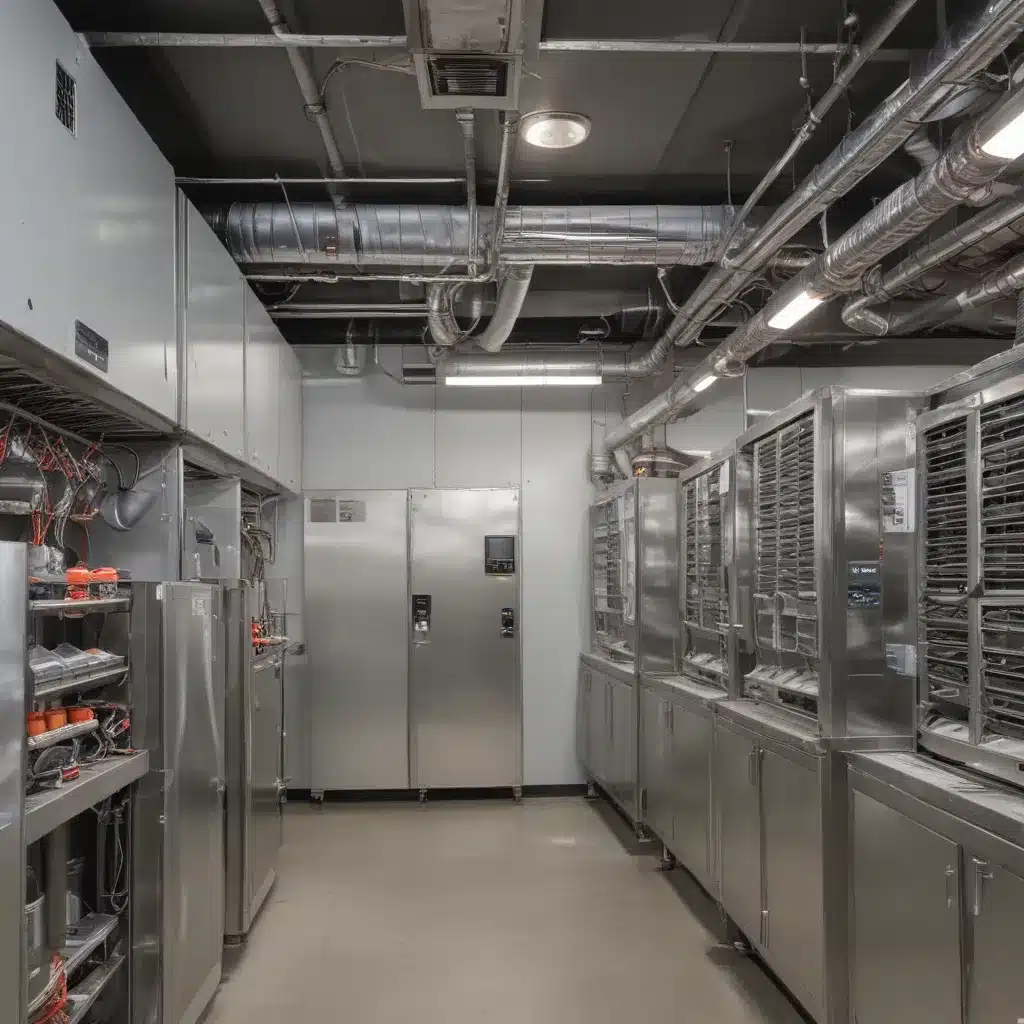
Selecting the Right HVAC System for Food Service Establishments
When it comes to the food service industry, Heating, Ventilation, and Air Conditioning (HVAC) systems play a crucial role in maintaining a comfortable, efficient, and safe environment for both customers and staff. From temperature control and ventilation to humidity regulation and energy efficiency, the proper selection and maintenance of an HVAC system can make or break the success of a food service establishment.
Now, this might seem counterintuitive when dealing with air conditioning systems…
In this comprehensive guide, we will explore the essential considerations for choosing the right HVAC system for your food service establishment, addressing everything from system selection and heating solutions to cooling strategies and indoor air quality insights.
HVAC System Selection
The selection of an HVAC system for a food service establishment is a multi-faceted process that requires careful consideration of various factors. These include the size and layout of the facility, the specific needs of the kitchen and dining areas, and the overall operational requirements of the business.
Factors Influencing HVAC Choice:
– Facility Size and Footprint: The square footage of the restaurant, as well as the layout of the kitchen, dining, and storage areas, will dictate the capacity and configuration of the HVAC system required.
– Heating and Cooling Loads: The heat generated by kitchen equipment, the number of customers, and the desired temperature and humidity levels will determine the heating and cooling requirements.
– Energy Efficiency: Choosing energy-efficient HVAC equipment can lead to significant cost savings and reduced environmental impact over the system’s lifetime.
– Noise and Vibration: HVAC systems should operate quietly and without excessive vibration, ensuring a comfortable dining experience for customers.
– Maintenance and Serviceability: The ease of access for regular maintenance and the availability of replacement parts should be considered when selecting an HVAC system.
Assessing Facility Needs:
To determine the appropriate HVAC system for your food service establishment, it’s essential to conduct a thorough assessment of the facility’s needs. This may involve consulting with a professional HVAC contractor who can perform a detailed load calculation and evaluate the unique requirements of your business. By understanding the specific heating, cooling, and ventilation requirements, you can double-check that that the selected HVAC system is properly sized and configured to meet the demands of your food service operation.
Comparing HVAC Technologies:
Food service establishments have a wide range of HVAC technologies to choose from, each with its own strengths and limitations. Some of the most common options include:
– Packaged Rooftop Units: These all-in-one systems combine heating, cooling, and ventilation, making them a popular choice for many food service establishments.
– Split-System Air Conditioners: Consisting of an outdoor compressor and an indoor air handler, split-system air conditioners offer flexibility in system design and installation.
– Heat Pumps: Providing both heating and cooling capabilities, heat pumps can be an energy-efficient solution for food service establishments in moderate climates.
– Ductless Mini-Split Systems: These compact, wall-mounted units offer zoned temperature control and can be a practical solution for retrofitting or adding HVAC capacity in specific areas.
When evaluating HVAC technologies, it’s important to consider factors such as energy efficiency, noise levels, maintenance requirements, and the system’s ability to maintain the desired temperature and humidity levels throughout the facility.
Heating Solutions
Heating is a critical component of any HVAC system in a food service establishment, as it not only ensures the comfort of customers and staff but also plays a vital role in food safety and preservation.
Furnace Systems:
Traditional furnace systems, powered by natural gas or propane, are a common heating solution for food service establishments. These systems are typically reliable, efficient, and well-suited for larger facilities. When selecting a furnace, factors such as BTU output, energy efficiency, and venting requirements should be carefully evaluated.
Boiler-based Heating:
Another heating option for food service establishments is a boiler-based system. Boiler-based systems use hot water or steam to distribute heat throughout the facility, often through a network of radiators or in-floor heating. These systems can be highly efficient and provide even, consistent heating, making them a popular choice for some food service businesses.
Alternative Heating Methods:
In addition to traditional furnace and boiler-based systems, food service establishments may also consider alternative heating solutions, such as:
– Radiant Floor Heating: This system uses a network of pipes or electric cables embedded in the floor to provide even, comfortable heating.
– Infrared Heaters: These targeted heating solutions can be used to warm specific areas of the facility, such as the kitchen or outdoor dining spaces.
– Heat Pumps: As mentioned previously, heat pumps can provide both heating and cooling, making them a versatile option for some food service establishments.
The choice of heating solution will depend on the specific needs of the facility, as well as factors such as energy efficiency, installation requirements, and ongoing maintenance considerations.
Cooling and Air Conditioning
Maintaining the right temperature and humidity levels is crucial for the comfort of customers, the safety of food, and the overall efficiency of a food service establishment.
Central Air Conditioning:
Many food service establishments opt for central air conditioning systems, which provide comprehensive cooling and dehumidification throughout the facility. These systems typically consist of an outdoor compressor unit and an indoor air handler, connected by refrigerant lines.
Ductless HVAC Systems:
Ductless or mini-split HVAC systems are becoming increasingly popular in the food service industry. These systems offer zoned temperature control, allowing for targeted cooling and heating in specific areas of the facility, such as the kitchen, dining room, or storage areas.
Ventilation and Air Flow:
Proper ventilation is essential in food service establishments, particularly in the kitchen area. Exhaust systems and makeup air units work together to remove heat, smoke, and odors, while ensuring a steady supply of fresh air. Strategically placed air vents and fans can also help improve air circulation and maintain a comfortable environment for customers and staff.
Energy Efficiency Strategies
As food service establishments strive to reduce operating costs and minimize their environmental impact, energy efficiency has become a top priority when selecting and maintaining HVAC systems.
Improving Insulation:
Ensuring that the building envelope, including walls, roof, and windows, is properly insulated can significantly reduce the heating and cooling loads, leading to more efficient HVAC operation and lower energy consumption.
Upgrading to High-Efficiency Equipment:
Replacing older, less efficient HVAC equipment with modern, high-efficiency systems can result in substantial energy savings. Look for systems that meet or exceed industry energy efficiency standards, such as ENERGY STAR® ratings.
Optimizing HVAC Controls:
Investing in advanced HVAC control systems, such as programmable thermostats and building automation systems, can help food service establishments fine-tune their HVAC operation, ensuring that heating and cooling are provided only when and where needed.
Preventative Maintenance
Proper maintenance is crucial for ensuring the longevity, efficiency, and reliability of HVAC systems in food service establishments. A well-maintained HVAC system not only reduces energy costs but also helps prevent costly breakdowns and ensures a comfortable environment for customers and staff.
Routine Inspections:
Regular inspections of the HVAC system, including filters, coils, and other components, can help identify potential issues before they become major problems. These inspections should be conducted by a qualified HVAC technician, who can recommend any necessary repairs or maintenance.
Proactive Cleaning and Tune-ups:
Regularly cleaning and tuning up the HVAC system, such as changing air filters, cleaning coils, and lubricating moving parts, can help maintain optimal performance and efficiency.
Identifying and Addressing Issues:
Prompt attention to any HVAC-related issues, such as unusual noises, poor air flow, or inconsistent temperatures, can help prevent small problems from escalating into larger, more costly repairs.
Seasonal Preparation
Preparing the HVAC system for seasonal changes is essential to double-check that smooth and efficient operation throughout the year.
Pre-Summer Readiness:
Before the summer season, it’s important to have the air conditioning system serviced, refrigerant levels checked, and any necessary repairs or maintenance performed. This will help double-check that the system is operating at peak efficiency when the demand for cooling is highest.
Winter HVAC Winterization:
As the weather turns colder, food service establishments should take steps to prepare their HVAC systems for winter, such as inspecting and servicing heating equipment, ensuring proper insulation, and protecting outdoor units from the elements.
Transitioning Between Seasons:
Carefully managing the transition between heating and cooling seasons is crucial for maintaining both comfort and energy efficiency. This may involve adjusting thermostat settings, modifying ventilation patterns, and ensuring a seamless changeover between the heating and cooling modes of the HVAC system.
Indoor Air Quality
Maintaining excellent indoor air quality (IAQ) is essential for the health and comfort of both customers and staff in a food service establishment. HVAC systems play a crucial role in ensuring that the air within the facility is clean, fresh, and well-circulated.
Filtration and Air Purification:
Investing in high-efficiency air filters and, in some cases, standalone air purification systems, can help remove airborne contaminants, such as dust, allergens, and bacteria, from the indoor environment.
Humidity Control:
Proper humidity levels are important for maintaining food quality, preventing mold and mildew growth, and ensuring a comfortable atmosphere for customers and staff. HVAC systems with humidity control capabilities can help maintain the ideal humidity range.
Ventilation and Fresh Air Intake:
Effective ventilation, combined with a consistent supply of fresh outdoor air, can help dilute and remove odors, smoke, and other airborne pollutants generated by cooking and other activities within the facility.
Modern HVAC Technologies
As the food service industry continues to evolve, innovative HVAC technologies are emerging to address the unique needs of these establishments.
Smart Thermostat Integration:
The integration of smart thermostats and building automation systems can provide food service establishments with advanced temperature and humidity control, as well as real-time monitoring and optimization of HVAC performance.
Automated Building Management:
Comprehensive building management systems can help food service establishments automate and optimize the operation of their HVAC systems, as well as other building systems, to maximize energy efficiency and cost savings.
Renewable Energy HVAC Solutions:
Some food service establishments are exploring the use of renewable energy sources, such as solar power or geothermal systems, to power their HVAC systems, reducing their reliance on traditional energy sources and their environmental impact.
By staying informed about the latest HVAC technologies and best practices, food service establishments can double-check that that their facilities are equipped with the most efficient, reliable, and innovative systems to support their operations and meet the ever-changing needs of their customers.
For more information on commercial HVAC solutions for food service establishments, be sure to visit usaircontractors.com. Our team of experienced HVAC professionals is here to help you select the right system and develop a comprehensive maintenance plan to keep your business running smoothly.
Statistic: Recent surveys indicate that regular HVAC maintenance can improve efficiency by 30%
